Are the Situations in Myanmar & Bangladesh a Concern for Northeast India?

Synopsis
The ongoing political turbulence in Myanmar and Bangladesh raises serious concerns for Northeast India, as highlighted by Arunachal Pradesh Governor K.T. Parnaik. His insights call for a comprehensive and united approach towards fostering peace and stability in the region, which is intricately connected to its neighbors.
Key Takeaways
Political instability in Myanmar and Bangladesh affects Northeast India.
A cohesive national approach is essential for peace.
Infrastructure development in Arunachal Pradesh is vital.
Technology and cybersecurity are crucial in modern security.
Inclusivity and dialogue are key to addressing regional challenges.
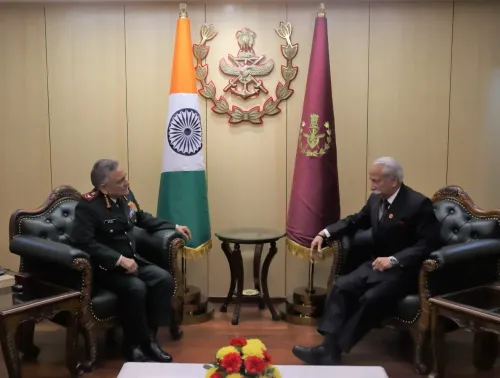
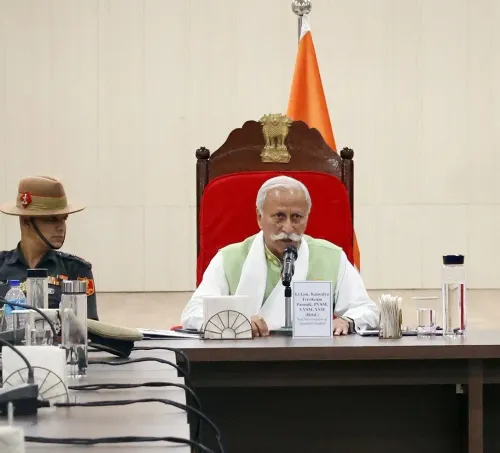
Itanagar, Jan 30 (NationPress) The Governor of Arunachal Pradesh, Lieutenant General K.T. Parnaik (retd.), expressed concerns on Friday regarding the volatile political and security landscapes in neighboring Myanmar and Bangladesh, which he believes could have serious implications for the Northeast region of India. He emphasized the importance of constant vigilance and collaborative security strategies.
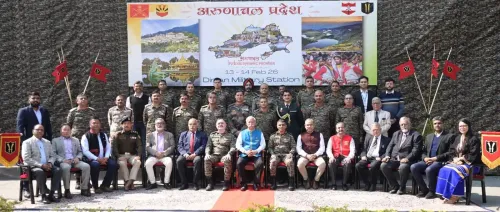
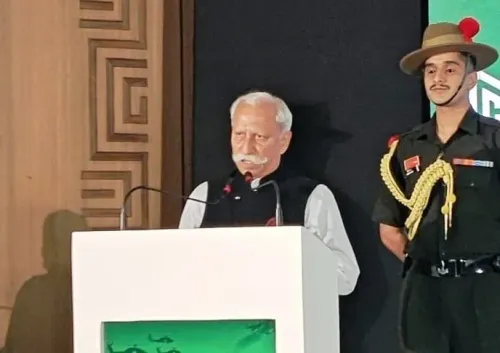
Speaking at the seminar titled 'India's Eastern Horizons – A New National Security Reality' hosted at the renowned Defence Service Staff College (DSSC) in Wellington, Tamil Nadu, the Governor noted that the conditions in Myanmar and Bangladesh negatively affect India and must be managed through diplomatic, political, and economic initiatives.
He asserted that only a cohesive national approach, uniting various institutions, communities, and stakeholders, can achieve enduring peace, stability, and inclusive development in the region.
Drawing from his extensive background in the Northeastern area and his experiences with insurgency across the country, the Governor highlighted that lasting peace cannot be attained through isolated actions.
He advocated for a 'Whole-of-the-Nation Approach', grounded in a clear strategic vision, seamless integration of political and governance frameworks, and enhancement of economic and industrial capabilities.
In addressing the evolving nature of security threats, Lieutenant General Parnaik (retd.) stressed the rising significance of technology and cybersecurity, as well as the urgent need to cultivate societal resilience and ensure robust internal security.
While addressing the DSSC staff and approximately 500 student officers, including 44 international participants from 35 countries attending the 81st Staff Course, Governor Parnaik emphasized that the Northeastern region of India is of paramount importance and requires significant development.
He mentioned that the region's unique geography and diverse ethnic communities, whose cultural and social bonds extend across borders, create a rich tapestry of shared heritage and traditions that transcend national boundaries.
By exposing future military leaders to both global and national strategic issues, the Governor explained that the security dynamics in the Northeastern region are influenced by a complex interplay of external factors, internal ethnic-political realities, and local insurgent movements.
He cautioned that these challenges are interconnected and evolve over time, rooted in historical grievances, cross-border tribal ties, and porous borders, all contributing layers of sensitivity and complexity to the region's security environment.
To effectively address these challenges, he underscored the necessity for a nuanced, inclusive, and people-centric strategy that harmonizes security with dialogue, development, and respect for the region's social fabric.
Focusing on the unique ground realities across the Northeastern region, the Governor articulated a clear vision for tackling future security and development obstacles.
He proposed that the path forward involves implementing comprehensive and well-coordinated initiatives that are informed by strategic foresight and a deep understanding of the region's distinct social and geopolitical context.
Governor Parnaik highlighted the significant progress and accelerated development of Arunachal Pradesh in the last decade, noting that the state has become a crucial part of India's Act East Policy and the broader vision of Viksit Bharat.
He remarked that unprecedented investments in infrastructure have reshaped the landscape, with over 4,000 kilometers of roadways constructed in the past five years alone, effectively connecting remote and border regions and improving governance and essential services.
The ongoing enhancement of rail and air connectivity has further solidified Arunachal Pradesh's integration with the rest of India, unlocking new avenues for mobility, trade, tourism, and rapid emergency response, added Governor Parnaik.
Point of View
It is crucial to acknowledge the interconnectedness of regional security dynamics. The insights shared by Governor Parnaik reflect a broader understanding that addressing these challenges requires collective efforts and strategies that transcend borders, ensuring stability and development not just for India but for the entire Southeast Asian region.
NationPress
6 Oct 2026
Frequently Asked Questions
What are the main concerns regarding Myanmar and Bangladesh?
The concerns primarily revolve around the political instability and security challenges in these neighboring countries, which could impact Northeast India adversely.
What approach does the Governor suggest for addressing these issues?
Governor Parnaik advocates for a 'Whole-of-the-Nation Approach,' emphasizing the need for coordinated efforts among various institutions and communities.
Why is the Northeastern region significant?
The Northeastern region is significant due to its unique geography, diverse ethnic communities, and its strategic positioning, making it vital for India's security and development.
What developments have occurred in Arunachal Pradesh?
Arunachal Pradesh has seen remarkable progress in infrastructure, with over 4,000 kilometers of roads built in the last five years, improving connectivity and governance.
How does technology play a role in security?
Technology and cybersecurity are increasingly important in addressing contemporary security challenges, as highlighted by Governor Parnaik.