How Can Security and Development Collaborate to Protect Arunachal's Frontier?
Synopsis
Arunachal Pradesh Governor Lt Gen K.T. Parnaik (Retd) calls for a unified approach to security and development to address frontier challenges. This seminar emphasizes the need for collaboration among stakeholders to enhance stability and prosperity in the region.
Key Takeaways
Security and development must progress together .
Whole-of-nation approach is essential .
Resilience of border populations is crucial .
Arunachal Pradesh's strategic location enhances India's Act East Policy .
Inclusivity in development fosters opportunity and dignity .
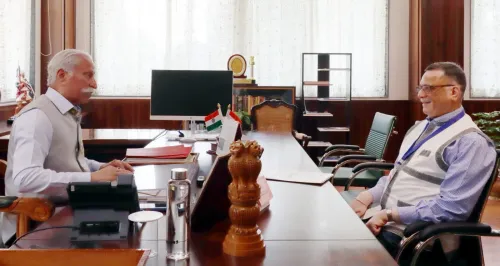
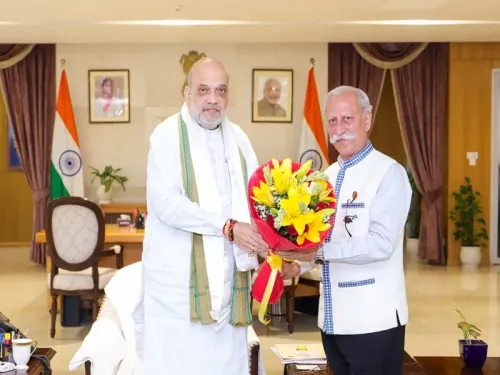
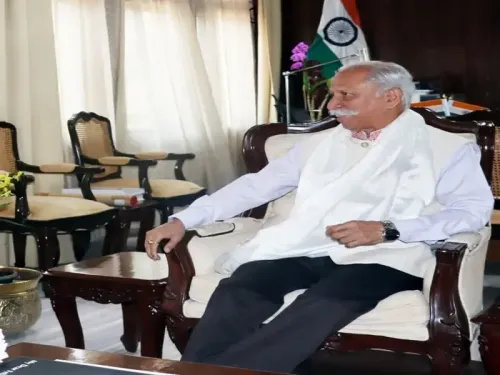
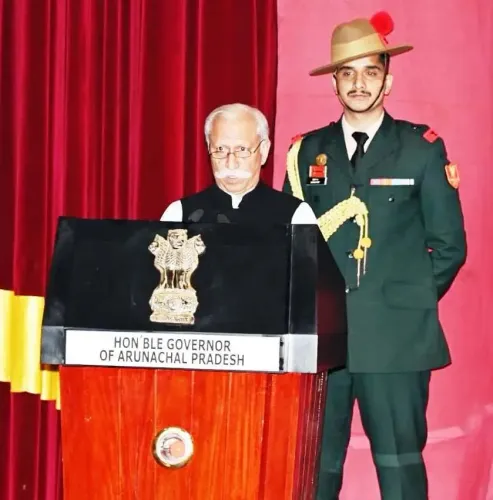
Itanagar, Feb 14 (NationPress) The Governor of Arunachal Pradesh, Lt Gen K.T. Parnaik (Retd), emphasized on Saturday that to effectively address emerging threats and maintain stability along the state's sensitive borders, a simultaneous progress in security, development, diplomacy, and community empowerment is essential through a whole-of-nation approach.
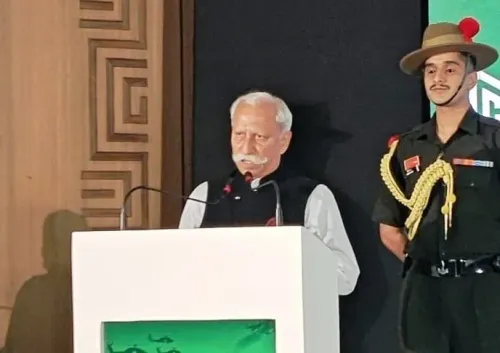
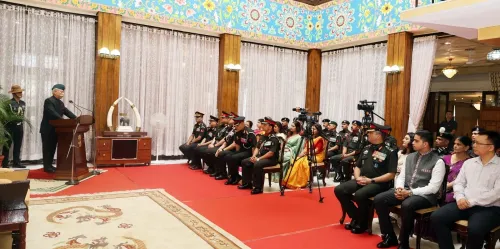
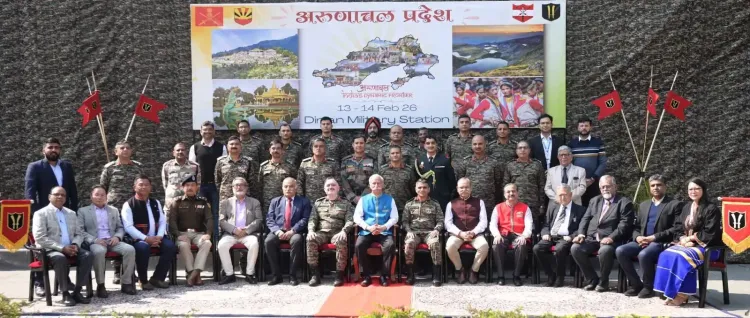
During the seminar titled 'Arunachal Pradesh – India’s Dynamic Frontier', the Governor provided a detailed analysis of the state, its people, distinctive dynamics, and the challenges faced at its borders, while also underlining its developmental advancements and mapping a future strategy.
Through the dual perspectives of security and development, the Governor highlighted their interconnection, asserting that progress in one domain is impossible without the other in a frontier state like Arunachal Pradesh.
He characterized Arunachal Pradesh as a strategic buffer zone with significant human, cultural, and economic potential. The Governor mentioned that the intersections of culture and security along the borders with Myanmar and Bhutan are intricate.
The India-Myanmar border is characterized by forests and hills, remaining socially accessible; this accessibility supports livelihoods under the Free Movement Regime (FMR) but has also led to vulnerabilities, as insurgent groups have exploited these routes, he noted.
Retired Lt Gen Parnaik indicated that this situation has led India to reassess the FMR to balance tradition with security. He further noted that on the northern frontier, China's strategy is methodical and long-term, extending across the Line of Actual Control from Ladakh to the eastern sector. China applies strategic pressure by constructing border-adjacent infrastructure, establishing dual-use 'border settlements', and renaming locations to influence narratives.
Advocating for a ‘Whole-of-Nation Approach’, the Governor asserted that the state's challenges, whether stemming from external threats or internal developmental disparities, necessitate a coordinated response from all parties involved. He stated that by ensuring robust security, promoting economic growth, and harnessing technological advancements, India's sovereignty and prosperity can be significantly enhanced.
The Governor expressed that the resilience of border-area inhabitants, combined with ongoing efforts towards inclusive and sustainable development, will firmly position Arunachal Pradesh as a strategic powerhouse and an emerging economic center.
Arunachal Pradesh shares a 1080 km boundary with China, 520 km with Myanmar, and 217 km with Bhutan.
Strengthening security, the Governor noted, ensures stability and confidence, while inclusive development offers opportunity, dignity, and resilience to the populace. Together, these elements will shape Arunachal's present and define its future as a robust, secure, and vibrant pillar of the nation, he asserted.
The Governor also mentioned that the state is in a transformative phase, aligning its development path with the national vision of Viksit Bharat 2047. He underscored the strategic significance of Arunachal Pradesh's location in advancing India’s Act East Policy by enhancing connectivity and trade with Southeast Asia.
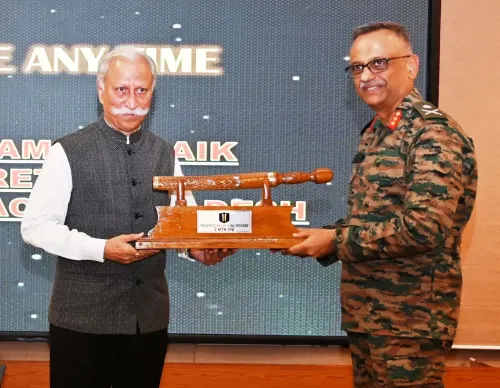
Praising the Dao Division for organizing the timely and relevant two-day seminar, the Governor remarked that the theme holds particular significance in today’s evolving security landscape, especially for a frontier state like Arunachal Pradesh. He emphasized that such platforms are crucial for informed dialogue, meaningful reflection, and the exchange of forward-thinking ideas.
He acknowledged the contributions of esteemed intellectuals, defense experts, and veterans who have served in the region, alongside participants from Arunachal Pradesh.
Former Eastern Army Commander Lt Gen Rana Pratap Kalita discussed operational realities and the broader strategies for countering Chinese strategic objectives during the seminar.
Former GOC and current Director General of the Centre for Land Warfare Studies (CLAWS), Lt Gen Dushyant Singh (Retd), outlined China's goals along the Arunachal Pradesh border and their strategic consequences.
Former civil servant and Indian Ambassador Phunchok Stobdan explored the Arunachal–Tibet connections, culture, and their broader historical implications, while writer, military historian, and filmmaker Shiv Kunal Verma discussed flora, fauna, eco-tourism, and the region’s untapped potential.
The seminar also featured contributions from Vijay Swami, Director of RIWARCH, Group Captain Mohonto Panging (Retd), Prof Jumyir Basar, and Prof Ashan Riddi from Rajiv Gandhi University, along with former Chief Secretary of Arunachal Pradesh Ramesh Negi. The two-day seminar was hosted at Headquarters 2 Mountain Division in Dinjanon, Assam’s Dibrugarh district, on February 13-14.
Point of View
It is essential to recognize the intertwined nature of security and development in Arunachal Pradesh. The state's geographic and strategic significance demands a comprehensive approach that unites various stakeholders. By fostering both security and development, India can reinforce its sovereignty and ensure a stable future in this vital region.
NationPress
6 Oct 2026
Frequently Asked Questions
What is the significance of the seminar on Arunachal Pradesh?
The seminar focuses on the intersection of security and development in Arunachal Pradesh, emphasizing a coordinated approach to address challenges along its sensitive borders.
Who organized the seminar?
The seminar was organized by the Dao Division and featured contributions from various experts and dignitaries.
What are the main challenges faced by Arunachal Pradesh?
Challenges include external threats from neighboring countries and internal developmental gaps that require a unified response.
How does the Governor view the future of Arunachal Pradesh?
The Governor envisions Arunachal Pradesh as a strategic powerhouse and an emerging economic hub, aligning its development with national goals.
What role does community empowerment play in this context?
Community empowerment is vital for fostering resilience and ensuring that development benefits reach all segments of the population.