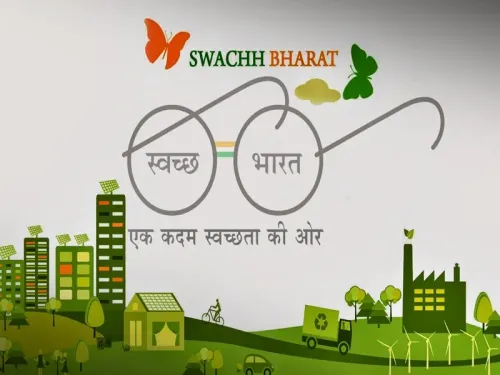
Swachh Bharat: 12.22 crore rural toilets built, 5.69 lakh villages ODF Plus
Synopsis
India's Swachh Bharat Mission has crossed a major milestone: 12.22 crore rural household toilets built, 98,273 biogas plants operational, and 5.69 lakh villages now classified as ODF Plus — meaning they don't just avoid open defecation but actively manage waste and maintain cleanliness. The numbers signal that Phase II's harder goal of sustaining sanitation behaviour, not just building infrastructure, is producing measurable results.
Key Takeaways
12.22 crore individual household toilets have been built in rural India as of 17 September 2026 .
98,273 biogas plants have been constructed under the GOBARdhan initiative.
5.69 lakh villages have achieved ODF Plus status, categorised as Aspiring, Rising, or Model.
More than 10.28 crore toilets were built across 36 states and UTs between 2014 and 2019 during Phase I; rural India was declared ODF in 2019 .
SBM-G Phase II focuses on sustaining ODF status and strengthening Solid and Liquid Waste Management systems.
Behaviour Change Communication (BCC) is central to Phase II, promoting safe toilet use, hygiene, and community waste practices.
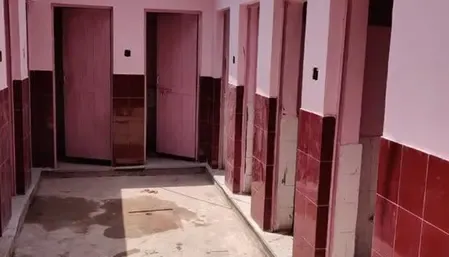
More than 12.22 crore individual household toilets have been constructed in rural India, and 98,273 biogas plants have been built as of 17 September 2026, bringing 5.69 lakh villages into the ODF (Open Defecation Free) Plus category under the Swachh Bharat Mission-Gramin (SBM-G), according to a government factsheet released on Sunday, 20 September 2026. The figures mark a significant milestone in India's two-phase rural sanitation drive, which has evolved from building toilets to sustaining sanitation behaviour at the community level.
What ODF Plus Status Means
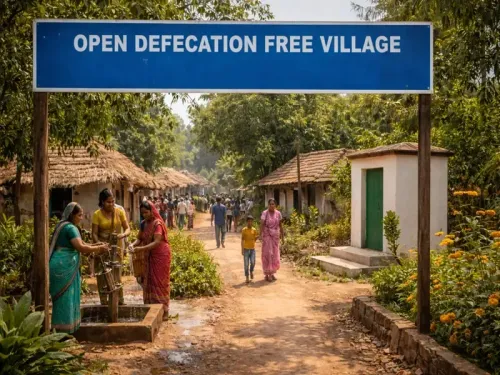
An ODF Plus village goes beyond simply eliminating open defecation — it also manages solid and liquid waste effectively and maintains visible cleanliness. Under SBM-G, these villages are classified into three progressive tiers: Aspiring, Rising, and Model. Aspiring villages manage either solid or liquid waste; Rising villages handle both; and Model villages additionally demonstrate visual cleanliness and display ODF Plus awareness messaging.
Phase I Achievements and the Shift to Phase II
The foundation was laid during Phase I of the mission, when more than 10.28 crore toilets were built across 36 states and union territories between 2014 and 2019. Rural India was declared Open Defecation Free in 2019, a landmark that reshaped India's sanitation landscape. The government then shifted focus under SBM-G Phase II, which centres on sustaining ODF status and strengthening Solid and Liquid Waste Management (SLWM) systems at the village level.
GOBARdhan: Turning Waste into Resources
GOBARdhan — short for Galvanising Organic Bio-Agro Resources Dhan — is a flagship initiative under Phase II that converts cattle dung, agricultural crop residue, and organic waste into biogas, compressed bio-gas (CBG), and organic manure. The 98,273 biogas plants counted in the latest factsheet are a direct output of this programme, linking sanitation infrastructure to rural energy and agriculture.
Behaviour Change at the Centre
According to the government statement, infrastructure alone does not guarantee lasting outcomes. Behaviour Change Communication (BCC) has been placed at the core of SBM-G Phase II, encouraging households to adopt safe toilet use, practise proper waste disposal, and manage wet waste through compost pits or biogas plants. The programme also promotes everyday hygiene — handwashing, safe water storage, clean maintenance of sanitation facilities, and avoiding littering or spitting in public spaces. The statement emphasised that sanitation is ultimately a set of daily practices reinforced through community action and collective behaviour, not merely the provision of physical infrastructure.
What the Numbers Reflect
The data signals that India's rural sanitation push has moved well past the construction phase. With 5.69 lakh villages now categorised as ODF Plus and a growing number qualifying as Model villages, the programme's second phase is beginning to show measurable progress on sustainability. Officials indicated that continued monitoring of waste management practices and BCC outreach will determine how many villages advance from Aspiring to Rising and eventually to Model status in the months ahead.
Point of View
But the more revealing number is 5.69 lakh ODF Plus villages — a measure of sustained behaviour, not just construction. India's track record with flagship schemes shows that building assets is easier than maintaining them; the three-tier Aspiring-Rising-Model classification is a sensible accountability framework, but its credibility depends on independent verification rather than self-reported village data. The pivot from Phase I's toilet-count metric to Phase II's waste-management and behaviour-change lens is the right direction. Whether the GOBARdhan biogas push can scale to meaningfully reduce rural energy poverty — and not just sanitise the sanitation numbers — remains the harder question.
NationPress
20 Sept 2026
Frequently Asked Questions
How many toilets have been built under the Swachh Bharat Mission in rural India?
As of 17 September 2026, more than 12.22 crore individual household toilets have been built in rural India under the Swachh Bharat Mission-Gramin. Of these, over 10.28 crore were constructed during Phase I between 2014 and 2019.
What does ODF Plus village status mean?
An ODF Plus village not only maintains Open Defecation Free status but also manages solid and liquid waste effectively and upholds visual cleanliness. Villages are further classified into three tiers — Aspiring, Rising, and Model — based on the degree of waste management and cleanliness achieved.
How many villages have achieved ODF Plus status in India?
As of 17 September 2026, a total of 5.69 lakh villages across India have been brought into the ODF Plus category under the Swachh Bharat Mission-Gramin Phase II.
What is the GOBARdhan initiative and how does it relate to Swachh Bharat?
GOBARdhan — Galvanising Organic Bio-Agro Resources Dhan — is a flagship programme under SBM-G Phase II that converts cattle dung, crop residue, and organic waste into biogas, compressed bio-gas, and organic manure. As of September 2026, 98,273 biogas plants have been constructed under this initiative, linking rural sanitation with energy and agriculture.
What is the difference between Swachh Bharat Mission Phase I and Phase II?
Phase I (2014–2019) focused on constructing household toilets and declaring rural India Open Defecation Free. Phase II builds on that foundation by emphasising sustained ODF status, solid and liquid waste management, and behaviour change communication to embed sanitation as a permanent community practice.