Pakistan hospital fire kills 14 newborns, exposing healthcare crisis

Synopsis
Fourteen newborns died in a preventable hospital fire in Islamabad on 26 August — and the story that followed cut deeper than the tragedy itself. With Pakistan ranked 168th on the UN's Human Development Index and spending seven times more on debt servicing than healthcare, the blaze became a symbol of a state that can field nuclear weapons but cannot protect babies in incubators.
Key Takeaways
A fire caused by an air-conditioning fault on 26 August killed 14 newborns in a neonatal unit of a prominent state-run hospital in Islamabad ; only 1 of 15 babies survived.
The hospital was established four decades ago with Japanese funding .
Pakistan ranked 168th on the UN Human Development Index in 2026 , down from 147th in 2016 .
Pakistan's external debt stood at USD 138.8 billion as of June 2026 ; the country spent about 7% of GDP on debt servicing versus less than 1% on healthcare.
Only 4% of Pakistan's population pays taxes; more than one-third lives in extreme poverty.
The government dismissed a senior civil servant responsible for Islamabad's healthcare following the incident.
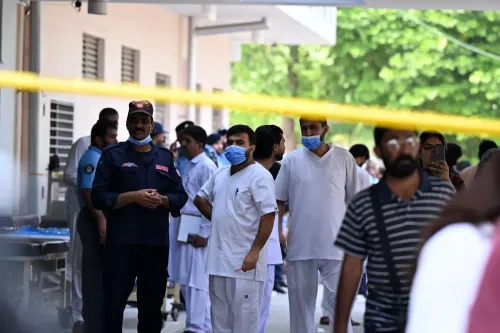
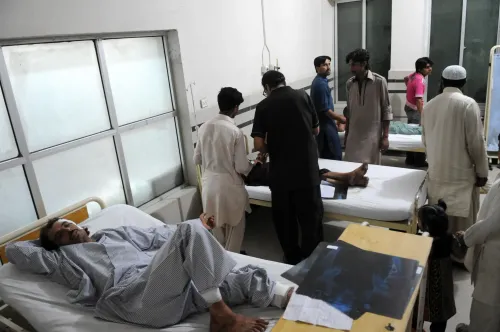
A fire that broke out in the neonatal unit of one of Pakistan's leading state-run hospitals on 26 August killed 14 infants, with only one baby surviving after the blaze swept through a nursery where 15 newborns were being kept in incubators or on oxygen. The tragedy has reignited a sharp debate over the country's chronically underfunded public healthcare system.
How the Fire Unfolded
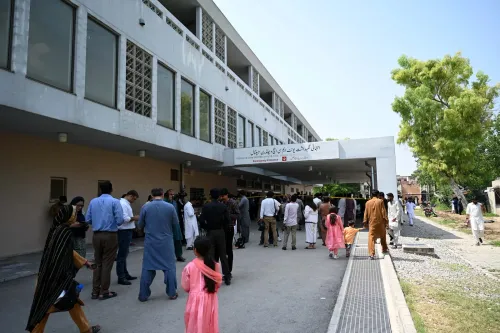
According to reports, a fault in an air-conditioning unit triggered the blaze, which spread rapidly through the nursery ward of the hospital — a public institution established four decades ago with Japanese funding in Islamabad. The speed and scale of the fire raised immediate questions about emergency preparedness and basic safety standards at the facility. Following the incident, the government dismissed a senior civil servant in Islamabad who held responsibility for healthcare oversight in the capital.
A Mirror to Pakistan's Healthcare Crisis
The disaster drew attention through a widely circulated article in Nikkei Asia by Islamabad-based foreign correspondent Farhan Bokhari, titled 'Deaths of 14 Infants Exposes Unwelcome Facts About Pakistan's Global Image.' Bokhari argued that the fire exposed a stark contradiction: a nation that projects itself as the Islamic world's only nuclear-armed state and positions itself as a mediator in global conflicts — including reportedly between the US and Iran — cannot protect its most vulnerable citizens from a preventable hospital fire.
Bokhari noted deep class disparities at play. While the elite access private healthcare with relative ease, the poor and the working class depend on chronically underfunded public hospitals where infrastructure, staffing, and emergency systems remain severely inadequate.
The Numbers Behind the Crisis
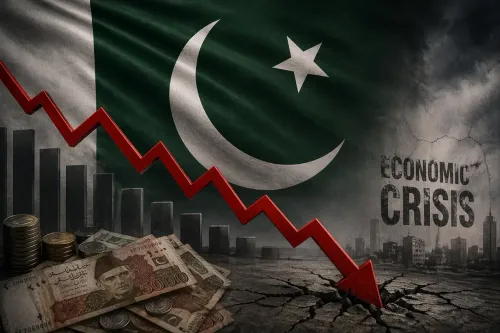
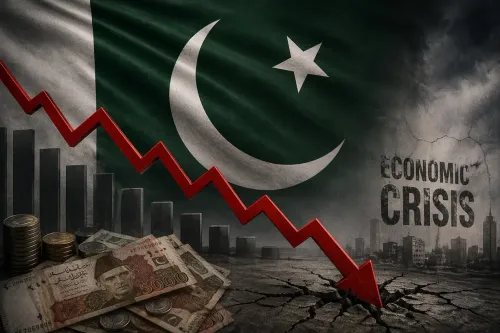
The structural roots of the tragedy are visible in key indicators. The United Nations' Human Development Index (HDI) ranked Pakistan 168th in 2026, a steep fall from 147th in 2016, placing the country firmly in the 'low human development' category. Pakistan's external debt stood at USD 138.8 billion as of June 2026. According to Bokhari, the country spent approximately 7 per cent of its GDP on debt servicing in the last fiscal year, compared to less than 1 per cent on healthcare.
Only 4 per cent of Pakistan's population pays taxes, more than one-third of the population lives in extreme poverty, and significant sums continue to be directed toward defence spending, according to the analysis. Meanwhile, infrastructure projects such as six-lane motorways reportedly continue to attract investment even as hospitals remain starved of funds.
What This Means Going Forward
Critics argue that without urgent structural reforms — expanding the tax base, redirecting spending toward social services, and establishing accountability in public healthcare — tragedies of this nature are likely to recur. The dismissal of one official, analysts note, addresses the symptom rather than the systemic failure. Pakistan's ability to credibly pursue its stated ambitions on the global stage, Bokhari warned, will remain undermined as long as it cannot meet the basic needs of its own citizens.
Frequently Asked Questions
What caused the hospital fire that killed 14 infants in Pakistan?
A fault in an air-conditioning unit triggered the fire on 26 August in the neonatal ward of a state-run hospital in Islamabad, where 15 newborns were being kept in incubators or on oxygen. Only one baby survived the blaze.
Which hospital was affected by the neonatal unit fire in Pakistan?
The fire broke out at a prominent public hospital in Islamabad that was established four decades ago with Japanese funding. The name of the specific facility was not independently confirmed in available reports.
How does Pakistan's healthcare spending compare to its debt servicing?
According to analysis by foreign correspondent Farhan Bokhari, Pakistan spent approximately 7 per cent of its GDP on debt servicing in the last fiscal year, compared to less than 1 per cent on healthcare. The country's external debt stood at USD 138.8 billion as of June 2026.
Where does Pakistan rank on the UN Human Development Index?
Pakistan ranked 168th on the United Nations Human Development Index in 2026, a significant fall from 147th in 2016, placing it in the 'low human development' category.
What action did the Pakistani government take after the hospital fire?
The government dismissed a senior civil servant in Islamabad who held responsibility for healthcare oversight in the capital. Critics have argued the move addresses individual accountability but does not tackle the systemic underfunding at the root of the crisis.