Odisha Eyes 100 MTPA Steel Output by 2030: CM Majhi
Synopsis
Odisha CM Mohan Majhi has set a bold 100 MTPA steel production target for 2030, anchored by Odisha's first and largest Japanese investment — a Rs 15,000 crore JSW-JFE Steel joint venture in Sambalpur. The deal also unlocks a Rs 1 lakh crore industrial corridor and 2 lakh jobs, positioning Odisha as India's steel capital.
Key Takeaways
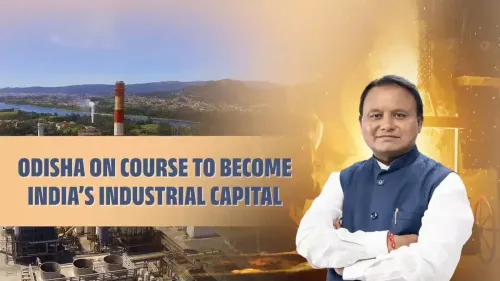
Odisha CM Mohan Charan Majhi announced a target of 100 MTPA steel production by 2030 , up from the current 40 MTPA , at an event in Sambalpur on April 24, 2025 .
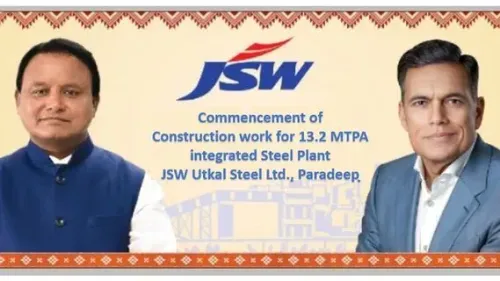
The JSW Steel–JFE Steel Corporation (Japan) joint venture is Odisha's largest-ever single Japanese investment at Rs 15,000 crore , expanding JSW's capacity by 10 MTPA .
The total JSW-JFE venture investment is estimated at over Rs 30,000 crore , bringing advanced electrical steel technology to Odisha critical for India's EV and clean energy sectors.
The proposed Sambalpur Growth Economic Corridor covering Rourkela, Jharsuguda, Bargarh, and Deogarh aims to attract Rs 1 lakh crore in investment and create 2 lakh+ jobs .
CM Majhi made a special appeal for investment in Keonjhar district , citing up to 50% lower production costs due to proximity to high-grade iron ore and key industrial corridors.
Odisha's 100 MTPA target aligns with India's National Steel Policy goal of 300 MTPA by 2030 , potentially positioning the state to supply one-third of national output.
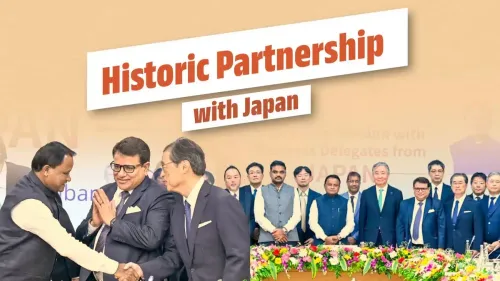
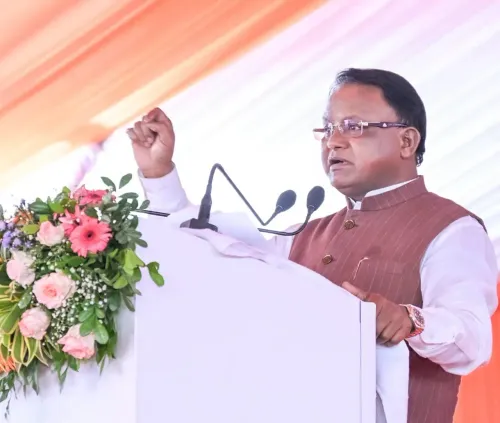
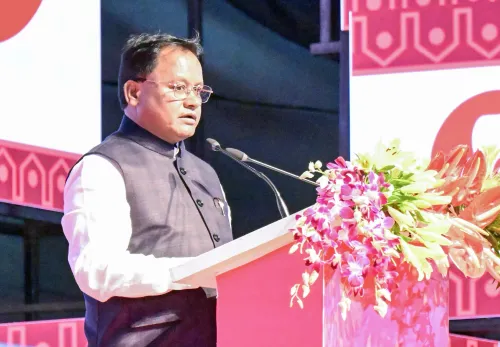
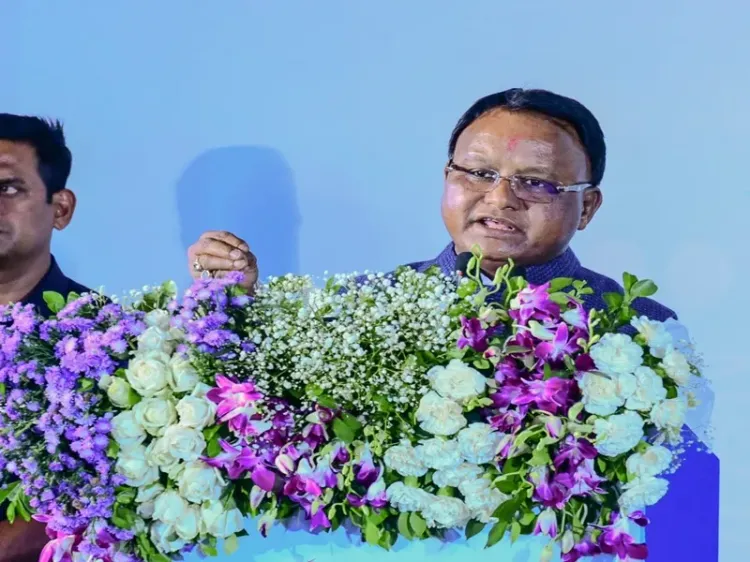
Bhubaneswar, April 24: Odisha Chief Minister Mohan Charan Majhi on Friday declared that Odisha is firmly on track to produce 100 million tonnes per annum (MTPA) of steel by 2030, anchoring the ambition in the state's abundant mineral resources, robust policy ecosystem, and a landmark foreign investment partnership. The announcement came at a high-profile event in Sambalpur district that formally marked the joint venture between JSW Steel Limited and JFE Steel Corporation of Japan — a deal that signals Odisha's decisive pivot from raw ore exporter to premium steel manufacturer.
Historic JSW-JFE Joint Venture: Odisha's Largest Japanese Investment
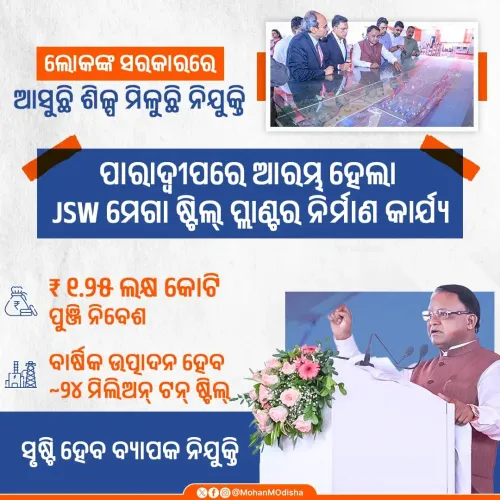
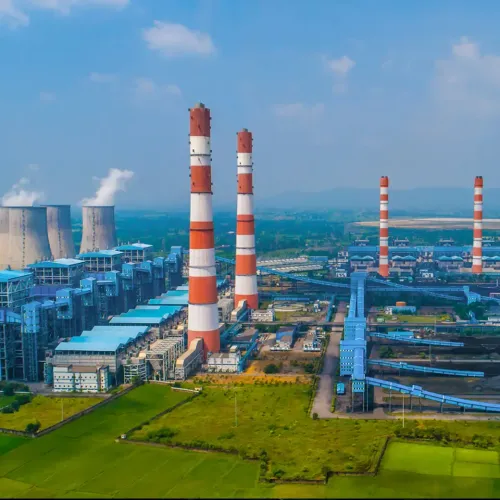
The JSW Steel–JFE Steel Corporation partnership represents Odisha's single largest Japanese investment to date, with an initial commitment of Rs 15,000 crore that will expand JSW Steel's existing capacity by an additional 10 MTPA. The total estimated investment under the full JSW-JFE venture is projected to exceed Rs 30,000 crore, according to a statement issued by the Chief Minister's Office (CMO).
CM Majhi described the tie-up as a transformative milestone, stating it will equip Odisha with advanced Japanese steel manufacturing technology, particularly in electrical steel — a high-value segment critical for electric vehicles (EVs), renewable energy infrastructure, high-efficiency motors, transformers, and the broader evolving power grid ecosystem.
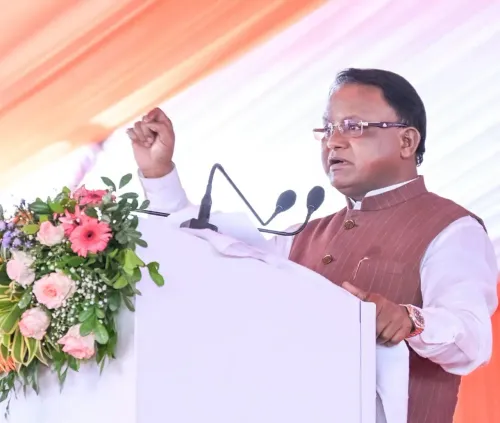
"I reaffirm Odisha's long-term industrial vision: We are committed to producing 100 MTPA of steel by 2030. It is a strategic commitment backed by resources, policy, infrastructure, and meticulous execution," declared Chief Minister Majhi at the event.
From 40 MTPA Today to 100 MTPA by 2030: The Scale of Ambition
Odisha currently produces approximately 40 million tonnes of steel annually, making it one of India's leading steel-producing states. The state government's roadmap envisions more than doubling this output to 100 MTPA within six years, driven by rising domestic consumption, surging export demand, and the infrastructure boom sweeping across India.
The CM emphasized that this is not merely an aspirational target but a strategically engineered industrial transformation supported by policy incentives, infrastructure upgrades, and targeted foreign direct investment (FDI) in the steel sector. The JSW-JFE deal is positioned as a cornerstone of this strategy, adding high-grade and specialty steel capabilities that Odisha currently lacks at scale.
India itself has set a national steel production target of 300 MTPA by 2030 under the National Steel Policy, and Odisha's 100 MTPA goal would position the state to contribute roughly one-third of the country's total output — a geopolitical and economic statement of enormous significance.
Sambalpur Growth Economic Corridor: Rs 1 Lakh Crore and 2 Lakh Jobs
Beyond the JSW-JFE deal, CM Majhi unveiled a broader regional development blueprint centered on the Sambalpur Growth Economic Corridor. The corridor will encompass Rourkela, Jharsuguda, Bargarh, and Deogarh — four strategically located industrial districts in western Odisha.
"In the upcoming days, Rourkela, Jharsuguda, Bargarh, and Deogarh will form the Sambalpur growth corridor, similar to the state capital growth region. Investments worth Rs 1 lakh crore shall be brought in by industries, generating a potential of more than 2 lakh jobs through this initiative," the Chief Minister announced.
This corridor strategy mirrors the State Capital Growth Region model around Bhubaneswar and is designed to decentralize industrial development into Odisha's mineral-rich hinterland, where infrastructure historically lagged despite vast natural wealth.
Keonjhar Pitch: CM Majhi's Personal Appeal to JFE
In a notable personal gesture, CM Majhi made a special appeal to JFE Steel Corporation to consider investing in Keonjhar district — his home district and one of India's most mineral-endowed regions. He cited production cost advantages of up to 50% lower compared to other locations, attributable to direct proximity to high-grade iron ore deposits, reduced logistics costs, closeness to key industrial corridors, and rapidly improving infrastructure.
The Chief Minister assured investors of fast-track single-window clearances and a comprehensive incentive package for strategic investments in Keonjhar, signaling the state's intent to convert raw material proximity into finished goods manufacturing advantage.
Strategic Significance: Why This Deal Matters for India's Steel Future
The JSW-JFE partnership carries implications well beyond Odisha's borders. JFE Steel, one of Japan's top two steelmakers, brings world-class expertise in grain-oriented electrical steel (GOES) and non-grain-oriented electrical steel (NOES) — materials indispensable for India's EV transition and its renewable energy targets of 500 GW by 2030. India currently imports significant quantities of electrical steel, and domestic production at scale could reduce import dependency and strengthen supply chain resilience.
Critics and industry analysts will watch closely whether Odisha can replicate the execution discipline required to scale from 40 to 100 MTPA within six years — a target that demands not just investment but land acquisition, environmental clearances, water availability, and skilled workforce development at an unprecedented pace. Notably, several Indian states have announced ambitious industrial corridors in the past decade, with mixed delivery records.
With the 2036 Olympics bid, PM Modi's infrastructure push, and India's steel consumption projected to reach 230 MTPA by 2030-31 per government estimates, Odisha's steel ambitions are well-timed — but the real test lies in converting announcements into operational capacity on the ground.
As the JSW-JFE joint venture moves toward implementation, all eyes will be on project timelines, environmental impact assessments, and the pace of corridor development — milestones that will determine whether Odisha's 100 MTPA vision becomes a landmark industrial success story or another ambitious target deferred.
Point of View
And the JSW-JFE deal directly addresses that gap with Japanese precision technology. However, the elephant in the room is execution: scaling from 40 to 100 MTPA in six years demands environmental clearances, land acquisition, and skilled labor pipelines that have historically bottlenecked Indian industrial projects. CM Majhi's personal pitch for Keonjhar investment is politically savvy but also pragmatically sound — the district's ore proximity genuinely offers a cost edge. The real accountability test begins now: will Odisha's policy promises translate into operational steel capacity, or will 2030 arrive with the goalposts quietly shifted?
NationPress
24 Sept 2026
Frequently Asked Questions
What is Odisha's steel production target by 2030?
Odisha has set a target of producing 100 million tonnes per annum (MTPA) of steel by 2030 , as announced by Chief Minister Mohan Charan Majhi . The state currently produces around 40 MTPA and aims to more than double its output driven by policy support, infrastructure investment, and foreign partnerships.
What is the JSW Steel and JFE Steel joint venture in Odisha?
JSW Steel Limited and JFE Steel Corporation of Japan have entered a joint venture that represents Odisha's largest-ever Japanese investment at Rs 15,000 crore . The deal will expand JSW Steel's existing capacity by an additional 10 MTPA , with the total JSW-JFE venture estimated at over Rs 30,000 crore .
What is the Sambalpur Growth Economic Corridor?
The Sambalpur Growth Economic Corridor is a proposed industrial development zone covering Rourkela, Jharsuguda, Bargarh, and Deogarh in western Odisha. It is expected to attract investments worth Rs 1 lakh crore and generate over 2 lakh employment opportunities , according to CM Majhi.
Why is JFE Steel's expertise important for Odisha?
JFE Steel Corporation is a world leader in electrical steel manufacturing, which is critical for electric vehicles, renewable energy systems, motors, and transformers . India currently imports much of its electrical steel, and JFE's technology partnership with JSW could help Odisha produce this high-value steel domestically at scale.
Why did CM Majhi invite JFE Steel to invest in Keonjhar?
CM Mohan Majhi pitched Keonjhar district — his home district — to JFE Steel citing production cost advantages of up to 50% lower than competing locations. The district's direct access to high-grade iron ore , reduced logistics requirements, and proximity to industrial corridors make it a cost-competitive manufacturing base.