Odisha CM Majhi clears ₹1,370 cr fund for farm inputs
Synopsis
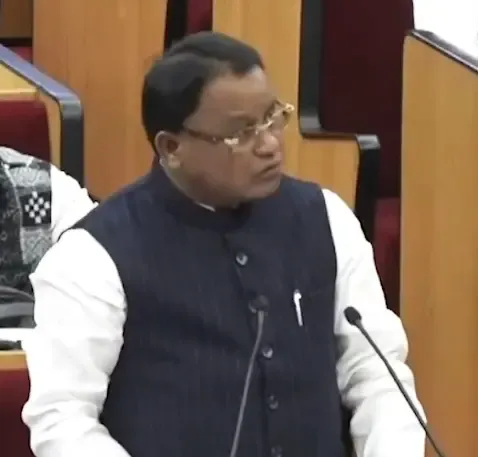
The Odisha Cabinet under CM Mohan Charan Majhi has approved a ₹1,370 crore interest-free revolving fund to enable advance procurement and affordable supply of quality seeds and fertilisers to state farmers, announced on October 15, 2026.
Key Takeaways
The Odisha Cabinet approved a ₹1,370 crore interest-free revolving fund for agricultural inputs.
The fund targets advance procurement, stocking, and timely supply of quality seeds and fertilisers at affordable prices.
The revolving structure allows the corpus to cycle continuously across sowing seasons without fresh budgetary approvals each time.
CM Mohan Charan Majhi's BJP government has held office since June 2024 , and this marks a significant farm-welfare commitment under its tenure.
The decision builds on Odisha's prior agricultural support history, including the KALIA scheme launched in 2018 .
Rollout details — including procurement timelines and distribution mechanisms — are awaited for upcoming agricultural seasons.
Farmers across Odisha are set to receive quality seeds and fertilisers at affordable prices — backed by the full weight of a fresh state treasury commitment. Odisha Chief Minister Mohan Charan Majhi announced on Thursday, October 15, 2026 that the Odisha Cabinet has approved a ₹1,370 crore interest-free revolving fund to ensure advance procurement, stocking, and timely supply of agricultural inputs.
Posting in both English and Odia, CM Majhi framed the decision squarely around farmer welfare: 'ଚାଷୀଙ୍କୁ ସୁଲଭ ମୂଲ୍ୟରେ ଗୁଣାତ୍ମକ ବିହନ ଓ ସାର ଯୋଗାଇବା' — providing quality seeds and fertilisers to farmers at affordable prices. The revolving nature of the fund means the corpus cycles continuously, allowing procurement to begin well ahead of each sowing season without waiting for fresh budgetary allocations each time.
What a revolving fund changes for Odisha's farmers
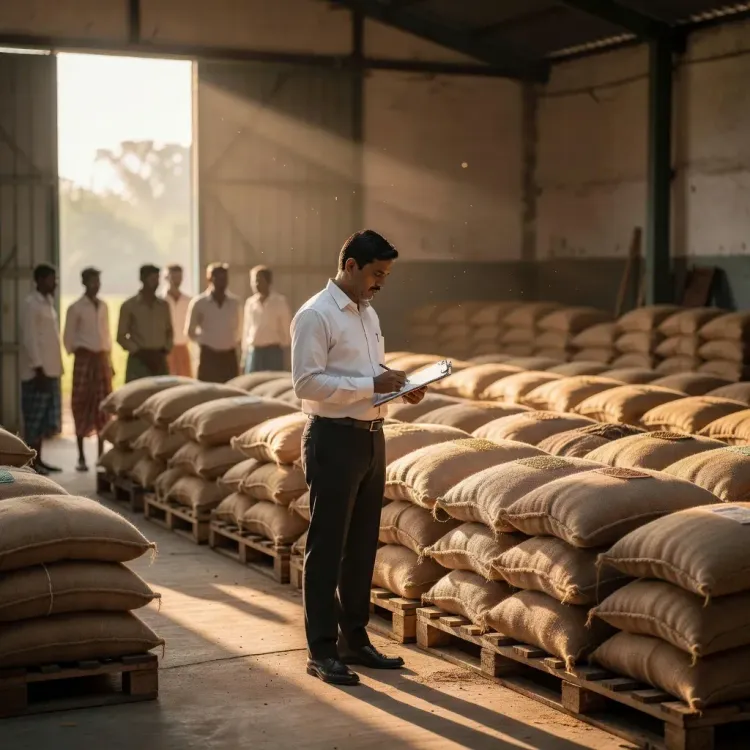
The structural problem this fund targets is familiar to anyone who has watched Indian agriculture up close: seeds and fertilisers arrive late, cost too much at the last mile, or run out right when demand peaks around sowing windows. A ₹1,370 crore interest-free corpus held centrally allows the state machinery to lock in procurement contracts early — when prices are lower and supply is guaranteed — rather than scrambling at peak season.
Unlike a one-time subsidy or a cash-transfer scheme, the revolving mechanism means the money keeps working. Recovered amounts from one season's distribution cycle straight back into procurement for the next. No interest cost to the state. No dead capital.
Odisha's agricultural support arc since 2018
The decision slots into a longer arc of farm-input policy in Odisha. The state's landmark KALIA scheme — launched in 2018 — put direct financial assistance into cultivators' hands. The new revolving fund shifts the lever upstream: rather than cash to buy inputs, the state itself secures the inputs and delivers them at controlled prices. It is supply-side certainty layered on top of demand-side support.
CM Majhi's BJP government, which took office in June 2024 after the party's state assembly victory, has now stamped a flagship agricultural commitment of its own onto Odisha's policy ledger. Several other Indian states have used similar revolving-fund or buffer-stock mechanisms for fertilisers and seeds — Odisha's ₹1,370 crore scale signals that this government intends the intervention to cover the state's significant farming population comprehensively.
Watch for rollout details: procurement timelines, the agencies entrusted with stocking, and the distribution pipeline down to the block level will determine whether the fund's promise reaches the farmer at the field's edge before the next kharif or rabi season demands it.
Point of View
370 crore revolving fund is a structurally sound supply-side complement to the demand-side cash transfers Odisha pioneered with the KALIA scheme — together they form a more complete agricultural support architecture. For the Majhi government, it represents an early high-visibility welfare signal to the state's large farming community, reinforcing the BJP's 2024 electoral pitch on farmer welfare. The interest-free design is fiscally pragmatic: by eliminating carrying costs, the state maximises the active procurement corpus. Whether the fund delivers on the ground will hinge on the efficiency of the procurement and distribution agencies and how quickly implementation guidelines are notified.
NationPress
15 Oct 2026
Frequently Asked Questions
What is the ₹1,370 crore revolving fund approved by the Odisha Cabinet?
It is an interest-free revolving fund approved by the Odisha Cabinet to finance advance procurement, stocking, and affordable supply of quality seeds and fertilisers to farmers across the state. The revolving structure means recovered amounts re-enter the corpus for use in subsequent agricultural seasons.
Who approved the ₹1,370 crore farm fund in Odisha?
The Odisha Cabinet, headed by Chief Minister Mohan Charan Majhi, approved the fund. CM Majhi announced the decision on October 15, 2026.
How does an interest-free revolving fund help farmers?
An interest-free revolving fund lets the state procure seeds and fertilisers well before peak sowing demand — at better prices and without supply shortages — and then distribute them to farmers at affordable rates. The recovered cost cycles back, keeping the fund active without recurring budget outlays.
What is the KALIA scheme and how does this new fund relate to it?
The KALIA scheme, launched in Odisha in 2018, provided direct financial assistance to farmers. The new ₹1,370 crore revolving fund works upstream of KALIA — instead of giving cash to buy inputs, the state itself secures and supplies those inputs at controlled prices, complementing direct-benefit transfers.
When did Mohan Charan Majhi become Chief Minister of Odisha?
Mohan Charan Majhi took office as Chief Minister of Odisha in June 2024 after the BJP won the state assembly elections.