Odisha clears ₹53.55 crore Green Hydrogen Mobility Project for Bhubaneswar
Synopsis
Odisha is going where few Indian states have ventured — putting hydrogen buses on city roads. A ₹53.55 crore tripartite project between CRUT, NTPC and GRIDCO will produce 260 kg of green hydrogen daily at Pokhariput depot, run three fuel-cell buses, and cut 900 tonnes of CO2 a year, with the Bhubaneswar–Puri–Konark corridor as the showcase route.
Key Takeaways
Odisha has cleared a ₹53.55 crore Green Hydrogen Mobility Project for Bhubaneswar. ₹19.52 crore sanctioned under the National Green Hydrogen Mission by the Ministry of New and Renewable Energy.
The facility at CRUT's Pokhariput Depot will produce 260 kg of green hydrogen per day.
Three Hydrogen Fuel Cell Electric Buses will run up to 600 km/day , cutting 900 tonnes of CO2 annually.
NTPC will handle hydrogen infrastructure, GRIDCO power supply, CRUT bus operations.
Pilot corridor: Bhubaneswar–Cuttack–Khordha–Puri–Konark .
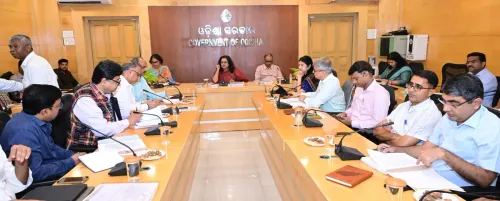
The Odisha government has cleared a pioneering Green Hydrogen Mobility Project worth ₹53.55 crore to roll out hydrogen-powered public buses in Bhubaneswar, marking the state's first green hydrogen ecosystem for urban transport. A high-level review meeting on Wednesday, chaired by Additional Chief Secretary, Housing and Urban Development, Usha Padhee, assessed progress on the tripartite initiative being executed by CRUT, NTPC, and GRIDCO.
Key project components
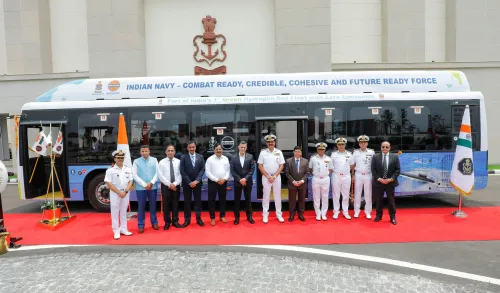
The plan envisages a Green Hydrogen Production and Refuelling Facility at CRUT's Pokhariput Depot in Bhubaneswar, alongside the deployment of three Hydrogen Fuel Cell Electric Buses as a pilot. The facility is designed to generate approximately 260 kilograms of green hydrogen per day, with the buses capable of running up to 600 kilometres daily under ideal conditions.
Funding and financial framework
Of the total ₹53.55 crore capital outlay, ₹19.52 crore has been sanctioned as financial assistance under the National Green Hydrogen Mission through the Ministry of New and Renewable Energy. The remaining cost will be met through stakeholder contributions and applicable state support mechanisms. Officials examined route planning, operational modalities, financial viability, risk allocation, and institutional responsibilities during the review.
Roles of the three agencies
Under the proposed framework, NTPC will develop and operate the hydrogen infrastructure, GRIDCO will facilitate power supply and subsidies, while CRUT will oversee bus operations and public transport services. CRUT raised concerns over operational expenditure, assured kilometre commitments, revenue-sharing mechanisms, and risk allocation — issues officials said would shape the project's long-term sustainability.
Climate impact and corridor plan
The initiative is expected to eliminate tailpipe emissions and cut nearly 900 tonnes of carbon dioxide annually, supporting India's Net Zero commitment. Officials also discussed deploying the hydrogen buses on the Bhubaneswar–Cuttack–Khordha–Puri–Konark corridor to demonstrate the viability of hydrogen-powered public transport in Odisha.
What's next
The project aligns with the Centre's National Green Hydrogen Mission and aims to anchor indigenous clean fuel technologies in eastern India. With the financial and operational architecture under final review, Odisha is positioning Bhubaneswar as one of the country's earliest test beds for hydrogen-based city mobility.
Point of View
Few buses on roads. Odisha's three-bus pilot is small in scale but structurally interesting because it locks in a tripartite ownership model where NTPC, GRIDCO and CRUT each carry a defined risk. The real test is unit economics: green hydrogen still costs multiples of diesel-equivalent fuel, and CRUT's concerns over operational expenditure and assured kilometres flag exactly where past EV bus pilots have stumbled. Unless the financial framework absorbs that gap transparently, scale-up beyond the Puri–Konark showcase corridor will be the harder conversation.
NationPress
21 Oct 2026
Frequently Asked Questions
What is the Odisha Green Hydrogen Mobility Project?
It is a pilot urban transport initiative cleared by the Odisha government to deploy hydrogen-powered public buses in Bhubaneswar. The ₹53.55 crore project includes a green hydrogen production and refuelling facility at CRUT's Pokhariput Depot and three Hydrogen Fuel Cell Electric Buses.
How much will the project cost and how is it funded?
The total capital investment is ₹53.55 crore, of which ₹19.52 crore has been sanctioned under the National Green Hydrogen Mission via the Ministry of New and Renewable Energy. The remaining amount will be met through stakeholder contributions and applicable state support mechanisms.
How much hydrogen and emission reduction will the project deliver?
The facility is designed to produce around 260 kilograms of green hydrogen per day, with buses capable of running up to 600 kilometres daily. The project is expected to cut nearly 900 tonnes of carbon dioxide emissions annually.
Which agencies are implementing the project and on which route?
NTPC will build and operate the hydrogen infrastructure, GRIDCO will handle power supply and subsidies, and CRUT will run the bus services. The proposed pilot corridor is Bhubaneswar–Cuttack–Khordha–Puri–Konark.
How does this align with India's clean energy goals?
The project supports the Government of India's National Green Hydrogen Mission and Net Zero commitments by promoting indigenous clean fuel technologies. It positions Bhubaneswar as one of India's earliest urban test beds for hydrogen-based public transport.