Odisha CM Majhi Directs Flood Rescue, Relief Ops

Synopsis
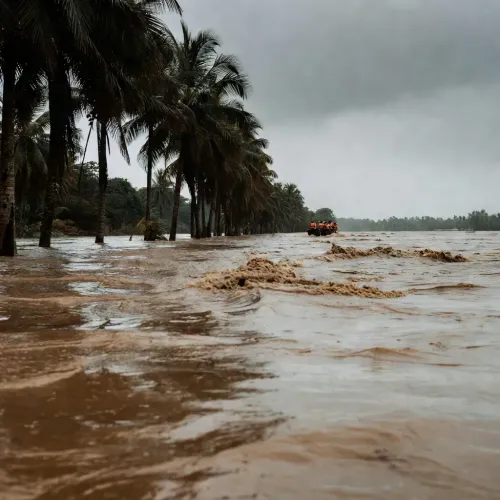
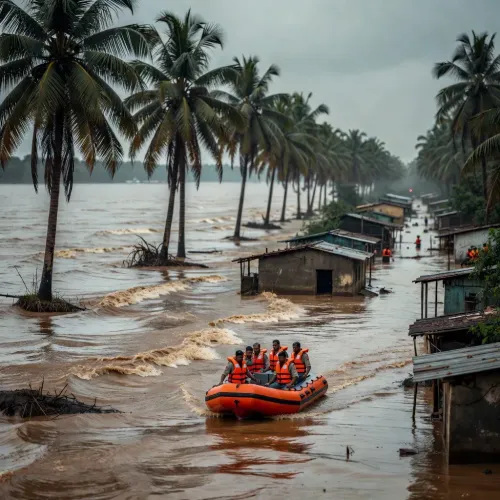
Chief Minister Mohan Majhi has directed large-scale flood rescue and relief operations across Odisha, with evacuations underway and cooked food, drinking water, and healthcare being provided uninterruptedly at all relief shelters as of 29 July 2026.
Key Takeaways
The Chief Minister's Office of Odisha confirmed active flood rescue and relief operations on 29 July 2026 .
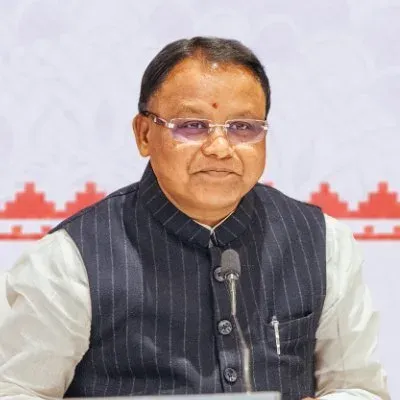
CM Mohan Charan Majhi has personally directed the state response to the flood emergency.
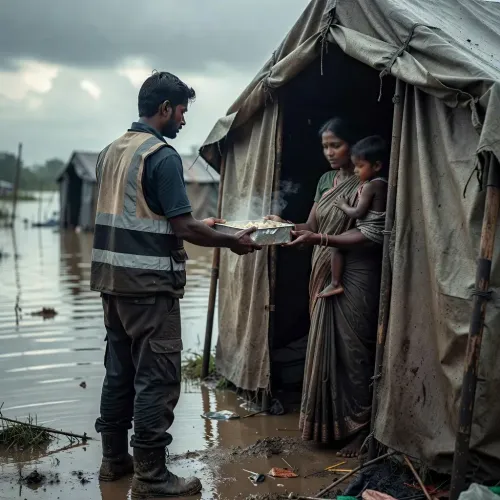
Flood-affected residents are being evacuated to safety, with cooked food, drinking water, and healthcare provided uninterruptedly at all relief shelters.
Citizens have been urged to stay alert and cooperate with local district administrations .
Odisha's disaster response infrastructure was strengthened after the 1999 super cyclone through the Odisha State Disaster Management Authority .
The state faces recurring monsoon flooding each year and maintains established SOPs for evacuation and shelter management.
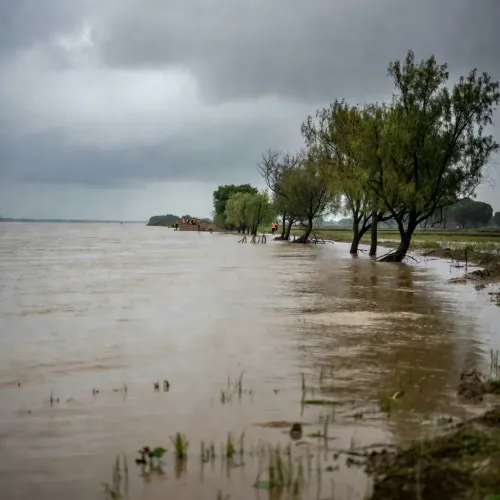
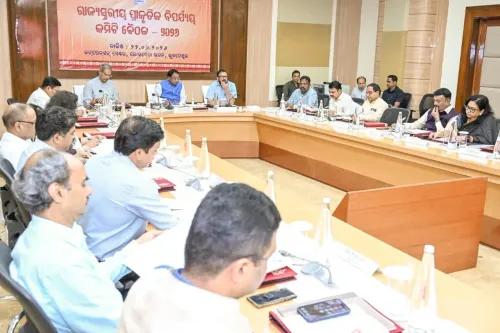
Floodwaters are testing Odisha's resolve — and the state is pushing back hard. On Wednesday, 29 July 2026, the Chief Minister's Office of Odisha confirmed that large-scale rescue and relief operations are underway across flood-affected areas, acting on direct orders from Chief Minister Mohan Charan Majhi.
The CMO's post, written in Odia, stated: 'In view of the flood situation in the state, rescue and relief work is continuing extensively in the affected areas under the directions of Chief Minister Shri Mohan Majhi. Along with evacuating the distressed to safe locations, cooked food, drinking water and health services are being provided uninterruptedly at all relief shelters. The government is committed to the safety of every citizen; remain alert and cooperate with the local administration.'
Evacuation, food, water — the three-front push
The state machinery is running on three simultaneous tracks: moving vulnerable people to safety, keeping relief shelters stocked with cooked meals and clean drinking water, and maintaining continuous healthcare access. The emphasis on 'uninterrupted' delivery signals that the administration is managing supply chains to camps even as flood conditions persist across the region.
The public message also carries a direct appeal — residents are urged to stay alert and cooperate with district administrations, a standard but critical instruction during active flood emergencies when misinformation and panic can cost lives.
Odisha's disaster machinery: built after 1999
Odisha did not arrive at this moment unprepared. The state overhauled its entire disaster response architecture after the catastrophic 1999 super cyclone, establishing the Odisha State Disaster Management Authority and institutionalising annual preparedness drills. What followed over the next two decades was a model that drew national attention — rapid pre-positioning of rescue teams, pre-emptive evacuations, and tight coordination between state and district administrations.
Seasonal monsoon flooding is a recurring reality for this eastern Indian state, fed by major river systems that swell every year between June and September. Successive governments have maintained and refined the same standard operating procedures: evacuate early, shelter swiftly, supply relentlessly.
Chief Minister Majhi's directive fits squarely within that institutional tradition — but the political signal is deliberate too. Personally attaching his name to the response operation places accountability at the top of the chain and tells affected communities that the state's highest office is watching.
As waters recede in the days ahead, the focus will shift to damage assessment and rehabilitation. For now, every relief shelter is a frontline.
Point of View
Named directive during an active flood emergency is a calculated act of political ownership — it centralises accountability and signals to constituents that relief is not bureaucratic routine but a top-down political priority. Odisha has long been India's benchmark for disaster management, and each successive government has had an incentive to maintain that reputation. The CMO's emphasis on 'uninterrupted' service delivery at shelters also reflects lessons from past failures in other states where supply-chain breakdowns during floods became political liabilities. What will define this response is not the emergency phase — Odisha's machinery handles that reliably — but how swiftly rehabilitation and compensation reach affected households once the waters recede.
NationPress
29 Jul 2026
Frequently Asked Questions
What is the flood situation in Odisha right now?
As of 29 July 2026 , Odisha is experiencing active flooding, with the state government conducting large-scale rescue and relief operations across affected areas under Chief Minister Mohan Majhi's direct orders.
What relief is being provided to flood victims in Odisha?
Flood-affected residents are being evacuated to safe locations, and all relief shelters are providing cooked food, drinking water, and uninterrupted healthcare services.
Who is overseeing Odisha's flood response?
Chief Minister Mohan Charan Majhi is personally directing the state's flood rescue and relief operations, with coordination through local district administrations.
How does Odisha manage flood disasters?
Odisha built a strong disaster management framework after the 1999 super cyclone , establishing the Odisha State Disaster Management Authority and running annual preparedness drills to handle recurring monsoon flooding.
What should Odisha residents do during the current flood?
The Chief Minister's Office has urged citizens to remain alert and cooperate fully with their local administration during the ongoing flood emergency.