Odisha CM Majhi puts 3 IAS officers on flood duty in Balasore, Bhadrak, Jajpur

Synopsis
The Odisha CMO announced on 29 July 2026 that CM Mohan Majhi has activated a 24x7 flood response, deploying three senior IAS officers to Balasore, Bhadrak, and Jajpur, with NDRF and ODRAF conducting evacuations and shelters providing food, water, and medical aid.
Key Takeaways
CM Mohan Majhi has directed the entire Odisha administration to work round-the-clock on flood relief as of 29 July 2026 .
Three senior IAS officers have been given special charge of the flood-hit districts of Balasore , Bhadrak , and Jajpur .
NDRF, ODRAF , fire services, and police are actively evacuating residents from low-lying areas.
Relief shelters are providing cooked food, clean water, medical care, and cattle fodder , with night-time patrolling in place.
Authorities have been ordered to fast-track compensation for damaged homes and agricultural land .
The Chief Secretary and Special Relief Commissioner (SRC) are directly supervising all operations with 24×7 district-level coordination.
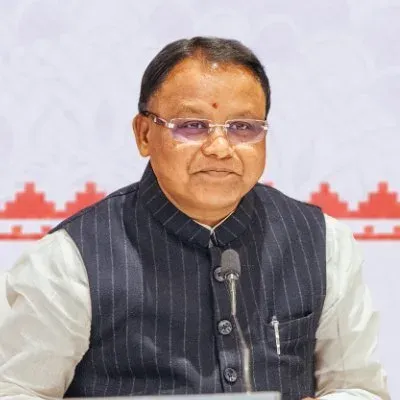
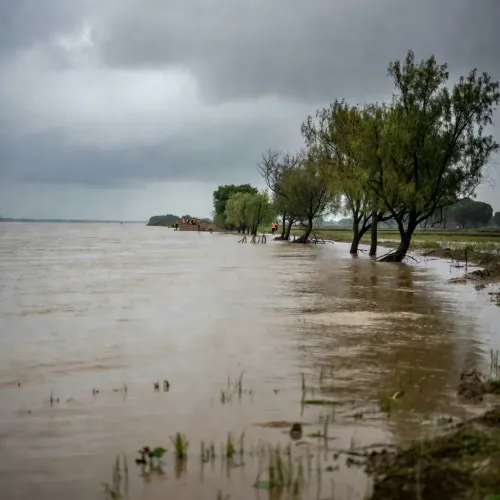
With relentless rain battering Odisha and floodwaters rising across its northern and coastal districts, the state government has shifted into round-the-clock emergency mode — deploying senior IAS officers to the ground and ordering evacuations from low-lying zones. The Chief Minister's Office of Odisha confirmed on Wednesday, 29 July 2026 that Chief Minister Mohan Charan Majhi has personally directed the state administration to treat the protection of lives and property as its highest priority.
Three IAS officers, three flood-hit districts
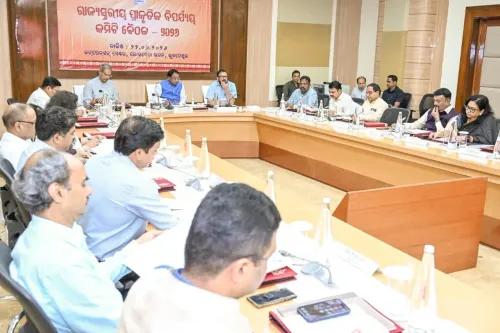
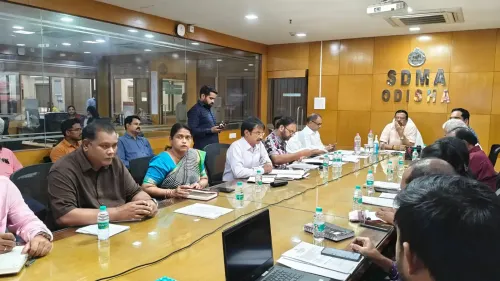
The most pointed intervention: three senior IAS officers have been assigned exclusive charge of Balasore, Bhadrak, and Jajpur — the three northern Odisha districts bearing the heaviest flood burden. Working alongside them, teams from the National Disaster Response Force (NDRF), the state's own Odisha Disaster Rapid Action Force (ODRAF), fire services, and police are actively moving residents out of inundation-prone areas. The Chief Secretary and the Special Relief Commissioner (SRC) are directly overseeing all operations, with 24×7 situation monitoring across every district in the state.
What shelters are providing — and what comes next for farmers
Evacuation is only the first step. Relief shelters have been stocked with cooked meals, clean drinking water, medical services, and cattle fodder, with strict night-time patrolling ordered to ensure safety. The CMO's statement also flags a forward-looking commitment: authorities have been instructed to disburse rapid compensation for damaged homes and agricultural land — a direct lifeline for the farmers whose crops now sit underwater. CM Majhi has appealed to residents to stay calm, cooperate with the administration, and remain alert.
Odisha's long muscle memory for disaster
Odisha did not build this response machinery overnight. The 1999 Super Cyclone — one of the deadliest in Bay of Bengal history — forced a fundamental rethink of state disaster preparedness, directly leading to the creation of ODRAF in 2001. The National Disaster Management Act of 2005 later formalised the coordination framework that now governs how central and state forces work together during emergencies like this one. Balasore, Bhadrak, and Jajpur sit in river basins that flood with grim regularity every monsoon season — which is precisely why the state's response protocol targets them first.
The next measure of this response will be the speed and reach of compensation payouts to households whose homes and harvests have already been lost. That clock is now running.
Point of View
Specific forces, and specific welfare provisions — signals a government acutely aware that Odisha's disaster-management credibility is a political asset built over two decades. By anchoring the response visibly in CM Majhi's personal directives, the BJP-led government is also staking its own reputation on the speed and quality of relief, a high-stakes bet in a state where flood mismanagement has historically moved voters. The instruction to fast-track crop and housing compensation before waters even recede suggests the administration has internalised a lesson from past cycles: delays in payouts generate more political damage than the floods themselves. Whether the machinery delivers at the pace the statement promises will be the real test.
NationPress
29 Jul 2026
Frequently Asked Questions
Which Odisha districts are worst affected by flooding in July 2026?
Balasore , Bhadrak , and Jajpur are the three districts identified by the Odisha government as requiring the most urgent intervention, with dedicated senior IAS officers assigned to each.
What is ODRAF and how is it different from NDRF?
ODRAF (Odisha Disaster Rapid Action Force) is a state-level rapid response unit created in 2001 after the 1999 Super Cyclone, designed for fast local deployment. NDRF (National Disaster Response Force) is a central government agency deployed across states during major disasters.
What relief is being provided to flood evacuees in Odisha?
Evacuation shelters are providing cooked meals, clean drinking water, medical services, and cattle fodder . Night-time patrolling has also been ordered at shelter sites to ensure the safety of evacuees.
Will flood-affected farmers in Odisha get compensation?
Yes. CM Mohan Majhi has directed authorities to provide rapid compensation for damaged homes and agricultural land , following established state disaster relief norms under the National Disaster Management framework.
Who is overseeing Odisha's flood relief operations?
The Chief Secretary and the Special Relief Commissioner (SRC) are directly supervising operations under the direction of CM Mohan Majhi , with 24×7 monitoring and coordination maintained across all districts.