Odisha CM proposes single recruitment test for similar posts
Synopsis
Odisha CM Mohan Charan Majhi has proposed one common recruitment exam for similar posts across departments, telling a Centre-backed task force in Bhubaneswar that youth deserve a fair, time-bound hiring process. Since June 2024 his government says it has filled 52,514 jobs and raised the age cap to 42.
Key Takeaways
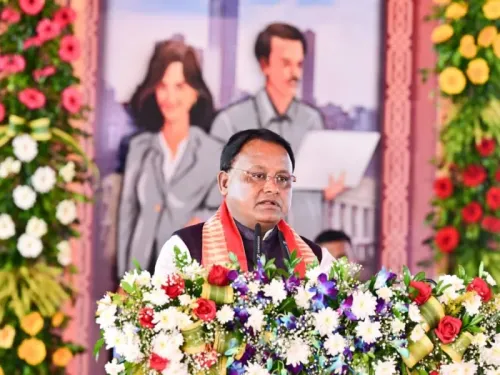
Odisha CM Mohan Charan Majhi on Wednesday proposed a single recruitment examination for similar posts across departments.
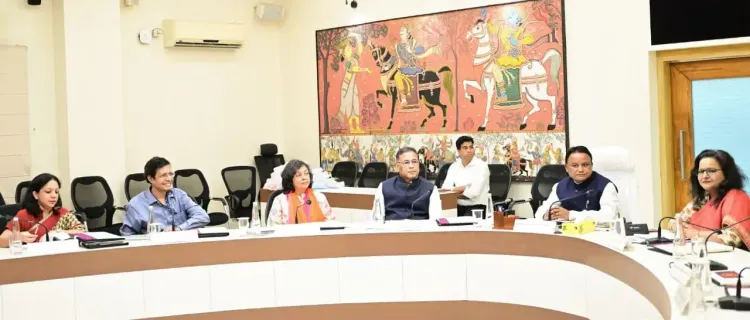
The suggestion was made at Lok Seva Bhawan , Bhubaneswar , to a Centre-constituted task force on public examination reforms.
Since June 2024 , the state government says it has provided 52,514 jobs through recruitment exams.
The Odisha Public Examinations (Prevention of Unfair Means) Act, 2024 has been implemented.
The upper age limit for government jobs has been raised to 42 years ; attempt limits in the Odisha Civil Services Examination have been removed.
A separate Staff Selection Commission has been constituted for uniformed services.
Odisha Chief Minister Mohan Charan Majhi on Wednesday proposed a single recruitment examination for government posts across departments that demand similar qualifications, subjects and responsibilities, as part of a wider push to overhaul the state's examination and hiring system. The suggestion was made at Lok Seva Bhawan in Bhubaneswar during a meeting with a Centre-constituted high-powered task force on public examination reforms.
The proposal, according to a statement from the Chief Minister's Office, is aimed at cutting duplication for candidates who currently sit multiple papers for roles that are essentially comparable in eligibility and work profile. Majhi also pressed for a well-organised annual recruitment calendar so that appointments are made on time rather than in irregular bursts.
What the CM proposed
Majhi told the visiting panel that posts sharing similar educational requirements, subjects and duties should be filled through one common test instead of department-wise examinations. If adopted, the model would compress the number of papers a young applicant must take and, in principle, shorten the pipeline from notification to joining.
He also underlined the need for an annual, predictable recruitment cycle, arguing that delayed exams and late results remain a persistent grievance among the state's job-seekers. A structured calendar, he indicated, is meant to lock dates and reduce the wait between tests and appointments.
Centre's task force in Bhubaneswar
The high-powered task force, constituted by the Central Government, is touring states to seek suggestions on reforms in school board examinations, engineering and medical entrance tests, and recruitment examinations. Members who held discussions with Majhi included Tapan Kumar Deka, Anita Karwal, Professor V. Kamakoti and Shalini Mahajan.
Chief Secretary Anu Garg, Development Commissioner D.K. Singh and other senior officials also attended the meeting and shared Odisha's experience in examination-related matters. The Centre's outreach comes as states and the Union government look to tighten public examinations and cut delays in results.
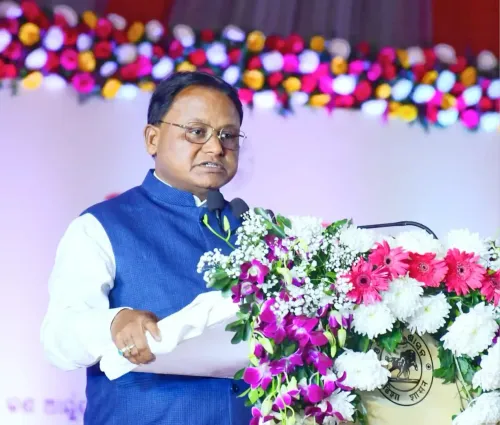
During the meeting, Majhi said the government is committed to ensuring a fair, transparent and time-bound recruitment process for students and youths. “Our sole objective is to provide students and young people with a fair, time-bound and reliable recruitment process. Therefore, it is extremely important to conduct all examinations within the stipulated time and in a transparent manner and declare the results without delay,” he said, according to the CMO.
Jobs and reforms since June 2024
Majhi noted that since assuming office in June 2024, the State Government has provided 52,514 jobs through various recruitment examinations conducted transparently. Highlighting steps to make the examination system simpler and more transparent, he said the state has implemented the Odisha Public Examinations (Prevention of Unfair Means) Act, 2024.
The upper age limit for government jobs has been raised to 42 years, while the restriction on the number of attempts in the Odisha Civil Services Examination has been removed. A separate Staff Selection Commission has also been constituted for uniformed services. The government has formed a Committee on Administrative and Governance Reforms to simplify administrative systems, rules and procedures and make them more transparent.
Why a common test would matter
A single paper for similar posts would, if designed well, spare candidates the cost and fatigue of sitting near-identical exams for different departments. It would also reduce the administrative load on recruiting agencies. Notably, the proposal sits within a national conversation on faster, more reliable public hiring — which is why a Centre-appointed task force is collecting state-level inputs in the first place.
This comes amid a broader effort in Odisha to recast both the exam hall and the appointment calendar. The anti-malpractice Act, the raised age limit and the attempt-cap removal already signal a candidate-friendly tilt. A unified test would be a structural next step rather than another incremental tweak, provided it is backed by a locked annual schedule and timely results.
What happens next
The meeting itself does not enact the common examination. The task force will carry state suggestions into the Centre's reform process, while Odisha's own recruiting bodies would still need rules, syllabi and a calendar if the Chief Minister's idea is to move from proposal to practice. For aspirants watching departmental and commission notifications, the real test will be whether a single paper appears in the next recruitment cycle — and whether results continue to be declared without delay, as Majhi demanded.
Point of View
But India's public-hiring bottleneck is rarely the number of papers — it is the calendar that slips and the integrity of the sitting. Odisha has moved on age limits, attempt caps and an anti-unfair-means Act; those are concrete. The 52,514 jobs figure will be judged against vacancy backlogs and candidates' lived experience, not the CMO note. If a single exam arrives without a locked annual schedule, it could concentrate risk in one paper rather than shorten the wait.
NationPress
25 Nov 2026
Frequently Asked Questions
What did Odisha CM Mohan Charan Majhi propose on recruitment?
He proposed a single examination for recruitment to posts across different departments that require similar qualifications, subjects and responsibilities. The suggestion was made in Bhubaneswar to a Centre-constituted task force on public examination reforms.
Why does a single recruitment test for similar posts matter?
It would reduce duplication for candidates who now sit multiple near-identical papers for comparable government roles. Majhi also linked the idea to a fair, time-bound and transparent hiring process with results declared without delay.
How many government jobs has Odisha filled since June 2024?
The Chief Minister said the state government has provided 52,514 jobs through various recruitment examinations since assuming office in June 2024. The CMO described those exams as having been conducted transparently.
What exam and recruitment reforms has Odisha already introduced?
Odisha has implemented the Odisha Public Examinations (Prevention of Unfair Means) Act, 2024, raised the upper age limit for government jobs to 42 years, and removed the attempt cap in the Odisha Civil Services Examination. A separate Staff Selection Commission has also been set up for uniformed services.
Who met CM Majhi in Bhubaneswar on exam reforms?
A Centre-constituted high-powered task force on public examination reforms met Majhi at Lok Seva Bhawan. Those present included Tapan Kumar Deka, Anita Karwal, Professor V. Kamakoti and Shalini Mahajan, along with Chief Secretary Anu Garg and Development Commissioner D.K. Singh.