Odisha CMO declares Kedar Gauri Temple a Protected Monument
Synopsis
The Chief Minister's Office of Odisha declared the Kedar Gauri Temple complex in Bhubaneswar a Protected Monument on 5 November 2026, calling it a historic step to preserve Odia cultural identity and safeguard the ancient Ekamra Kshetra heritage for future generations.
Key Takeaways
The Kedar Gauri Temple complex in Bhubaneswar has been officially declared a Protected Monument by the Odisha state government.
The announcement was made by the Chief Minister's Office of Odisha on 5 November 2026 .
The temple is part of Ekamra Kshetra , Bhubaneswar's historic cluster of medieval Hindu temples.
Protected-monument status places the site under Odisha State Archaeology oversight, restricting encroachment and unauthorised alteration.
The government invoked Odia Asmita (Odia pride and identity) as the core rationale, pledging to preserve the heritage for future generations.
The state designation complements central Archaeological Survey of India listings and reflects Odisha's broader cultural-heritage push.
A centuries-old Shiva temple at the heart of Bhubaneswar's sacred Ekamra Kshetra just earned its strongest legal shield yet. The Chief Minister's Office of Odisha announced on 5 November 2026 that the Kedar Gauri Temple complex has been officially declared a Protected Monument by the state government — a formal recognition of its place as a living pillar of Odia civilisation.
The post, shared in Odia, frames the declaration in terms of cultural identity: 'ଐତିହ୍ୟ ହିଁ ଆମର ମେରୁଦଣ୍ଡ, ଐତିହ୍ୟ ହିଁ ଆମ ଅସ୍ମିତା' — 'Heritage is our backbone, heritage is our identity.' The government described the step as 'historic and epoch-making' in safeguarding Odia Asmita — the pride and distinct identity of the Odia people — for generations to come.
What Ekamra Kshetra means to Odisha
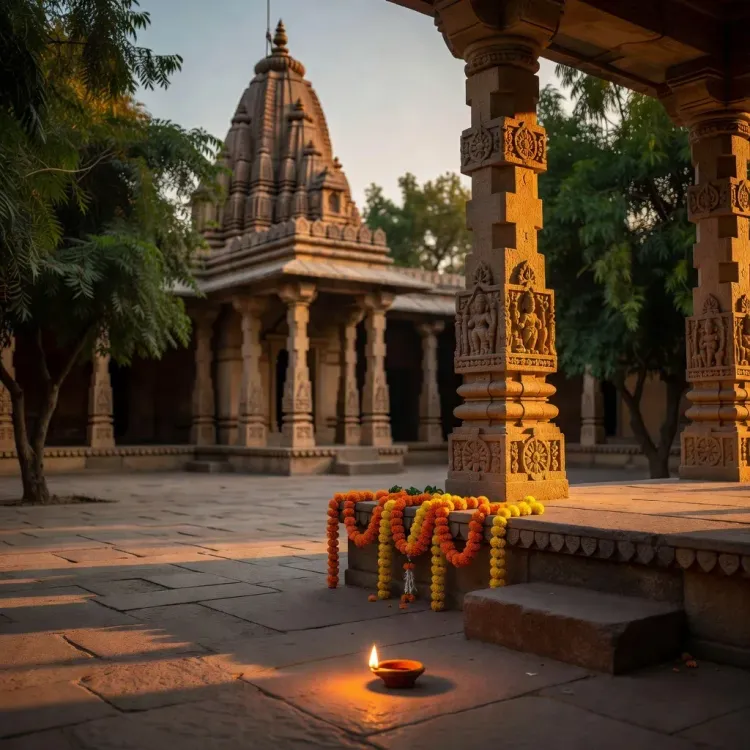
Ekamra Kshetra is the ancient Sanskrit name for the temple precincts of Bhubaneswar, a city that hosts one of the densest concentrations of medieval Hindu temples on the Indian subcontinent. The Kedar Gauri Temple is a Shaivite shrine within this cluster, its architecture and liturgical traditions stretching back centuries. It sits in the same spiritual geography as the Lingaraja Temple and dozens of other sandstone monuments that give Bhubaneswar its identity as the 'City of Temples.'
Protected-monument status places the complex under the custodianship of Odisha State Archaeology, the state department responsible for identifying and conserving sites of historical importance. The designation restricts unauthorised construction, encroachment, and alteration within and around the boundary of the complex — protections that have proved critical for other Odia sites where urban pressure has crept close to ancient precincts.
State heritage policy and the Odia identity push
Odisha governments have periodically notified temple complexes and historic structures as protected monuments, treating such designations as both conservation tools and signals of cultural self-assertion. These state-level notifications complement listings by the central Archaeological Survey of India and are especially significant for sites that hold local devotional value but had not previously been placed under formal legal protection.
The CMO's framing — invoking #OdiaAsmita and #OdishaHeritage — ties the administrative act to a broader political narrative around Odia distinctiveness and pride. The government stated its commitment to 'proudly present this invaluable wealth of our soil to future generations.'
What follows the declaration will matter as much as the declaration itself: boundary demarcation, a funded conservation plan, and integration into the state's heritage tourism circuits will determine whether the status translates into lasting preservation on the ground. The Kedar Gauri Temple now has the law on its side. The harder work begins next.
Point of View
' the current dispensation signals that heritage protection is now a front-line political commitment, not merely a bureaucratic function. The move also quietly sets a precedent: temples of comparable antiquity within Ekamra Kshetra that remain unprotected may face renewed advocacy. How the state follows through — with boundary notifications, conservation budgets, and tourism linkages — will reveal whether this is durable policy or symbolic gesture.
NationPress
5 Nov 2026
Frequently Asked Questions
What does it mean for Kedar Gauri Temple to be declared a Protected Monument?
It means the temple complex is now under the legal protection of Odisha State Archaeology. Unauthorised construction, encroachment, and structural alterations within and around the site are prohibited, ensuring long-term preservation of the historic complex.
Where is the Kedar Gauri Temple located?
The Kedar Gauri Temple is located in Bhubaneswar , Odisha, within the ancient Ekamra Kshetra — the city's historic precinct that houses one of the largest concentrations of medieval Hindu temples in India.
What is Ekamra Kshetra?
Ekamra Kshetra is the traditional Sanskrit name for the temple precincts of Bhubaneswar, Odisha. The area is renowned for its dense cluster of ancient Hindu temples, earning Bhubaneswar the title 'City of Temples.'
What is Odia Asmita and why is it mentioned in this declaration?
Odia Asmita means Odia pride and cultural identity. The Odisha government invoked it to frame the Kedar Gauri protection as more than a conservation step — as a commitment to preserving the distinct historical, spiritual, and artistic heritage that defines Odia civilisation.
Which department oversees protected monuments in Odisha?
Odisha State Archaeology is the state government department responsible for identifying, notifying, and conserving monuments of historical importance within Odisha, working alongside the central Archaeological Survey of India.