Odisha CM hails removal of 'Dham' from Digha Jagannath temple name
Synopsis
The Chief Minister's Office of Odisha expressed gratitude to the Chief Minister on June 15, 2026, for his historic intervention in removing the word 'Dham' from the Jagannath temple name in Digha, West Bengal, pledging the state government will remain a vigilant guardian of Shri Jagannath culture and the Puri temple's scriptural traditions.
Key Takeaways
The Chief Minister's Office of Odisha on June 15, 2026 publicly thanked the Chief Minister for securing removal of 'Dham' from the Digha Jagannath temple name in West Bengal.
The term 'Dham' is a canonical designation held by Puri as one of the four Char Dham pilgrimage sites; its use elsewhere was seen as diluting the Puri shrine's unique status.
The Chief Minister described the intervention as 'successful and historic' , framing it as a cultural-protection milestone.
The Odisha government pledged to remain a 'vigilant sentinel' in protecting, promoting, and preserving Shri Jagannath culture and the scriptural traditions of the Puri temple.
Odisha has a formal policy framework — the Shri Jagannath Temple Act — underpinning its custodianship claims over Jagannath traditions.
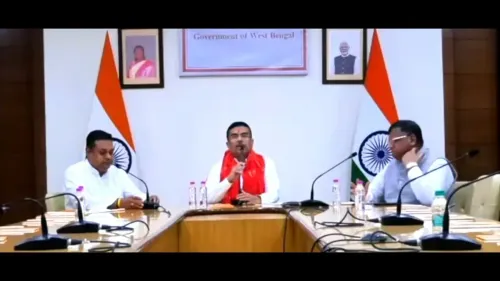
A formal response from the West Bengal government confirming the revised temple name is awaited.
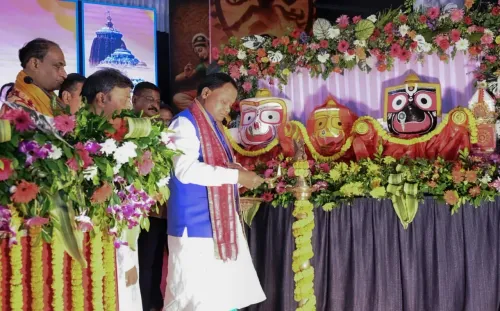
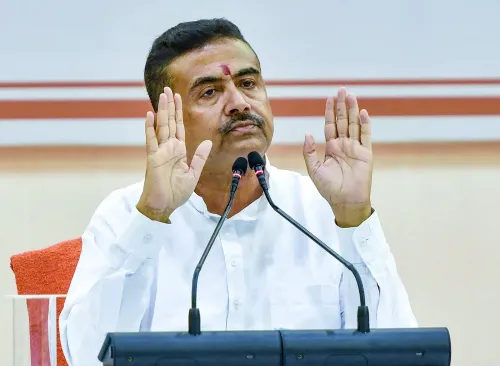
The Chief Minister's Office of Odisha on Monday, June 15, 2026, shared a post expressing deep gratitude to Chief Minister of Odisha for his successful and historic intervention in securing the removal of the word 'Dham' (sacred abode) from the name of the Jagannath temple in Digha, West Bengal. The office underscored that Shri Jagannath culture and tradition carry a distinct and unique identity that must be protected.
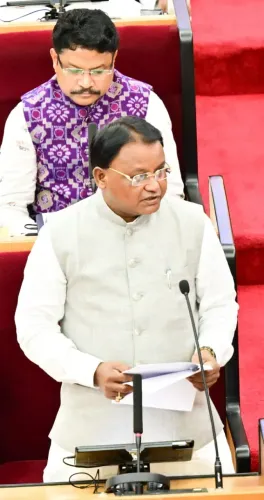
The post, written in Odia, conveyed that the Chief Minister stated on the occasion: 'Loka nka Sarkar Shri Jagannath sanskrutira suraksha, prasar ebam Shri Mandirara shastriya paramparar sanrakshana pain satarka prahari sadrisha jagrata rahibe' — meaning the 'People's Government' will remain vigilant like a sentinel in protecting, promoting, and preserving the scriptural traditions of Shri Jagannath culture and the Puri temple.
Context
The naming dispute centres on a Jagannath temple established in the coastal town of Digha in West Bengal, which had incorporated the suffix 'Dham' in its title. In Hindu religious geography, Dham denotes one of the holiest pilgrimage seats — a designation that Puri in Odisha holds as one of the four canonical Char Dham sites. The use of this term for a newly built temple in another state drew concern from Odia religious and cultural quarters about the dilution of Puri Jagannath Temple's singular sacred status.
Policy Backdrop
Odisha has long treated the Puri Jagannath Temple's rituals, nomenclature, and administrative norms as state-protected heritage under the Shri Jagannath Temple Act. The state has historically asserted custodianship over Jagannath traditions, intervening whenever similarly named temples elsewhere in India have risked blurring the distinctiveness of the Puri shrine. The Chief Minister's office framing this as a 'successful and historic intervention' signals that the matter was pursued through active diplomatic or administrative channels with the West Bengal side, though the precise mechanics of the engagement have not been detailed in the post.
Stakeholders and Impact
Odia devotees and temple administrators in Puri are the primary constituency for this announcement, as they have long argued that the sanctity and uniqueness of the Char Dham designation must not be replicated or approximated elsewhere. For the West Bengal tourism sector, the renaming of the Digha temple could affect how the site is marketed to pilgrims, though the temple itself remains operational. The development also carries interstate cultural significance, as it demonstrates how shared religious symbols can become subjects of administrative negotiation between state governments.
What's Next
Attention will now turn to any formal statement from the West Bengal government confirming the revised official name of the Digha Jagannath temple and the specific designation it will carry going forward. The Shri Jagannath Temple Administration in Puri may also issue guidance on cultural-protection benchmarks for Jagannath temples established outside Odisha. The Odisha Chief Minister's explicit pledge to act as a 'vigilant sentinel' for Jagannath traditions suggests that the state government intends to make this a continuing policy priority, not a one-time intervention.
Point of View
Lending the government a protective, almost priestly authority over Odia religious heritage. This fits a broader pattern across Indian state governments of using shared sacred symbols as instruments of both cultural diplomacy and domestic consolidation. The unresolved question of West Bengal's formal acknowledgement of the name change will determine whether this remains a symbolic win or translates into a precedent with enforceable inter-state standing.
NationPress
15 Sept 2026
Frequently Asked Questions
Why was 'Dham' removed from the Digha Jagannath temple name?
'Dham' is a designation reserved for the most sacred Hindu pilgrimage sites, and Puri in Odisha is one of the four canonical Char Dham. Odisha objected to its use for the newly built Jagannath temple in Digha, West Bengal, arguing it diluted the unique sacred status of the Puri shrine. The Odisha Chief Minister intervened to have the term removed from the Digha temple's name.
What is the significance of the Puri Jagannath Temple as a Dham?
The Puri Jagannath Temple is one of the four Char Dham pilgrimage sites in India, alongside Badrinath, Dwarka, and Rameswaram. This status makes it among the holiest destinations in Hinduism. Odisha considers the Char Dham designation an exclusive attribute of the Puri shrine and has consistently resisted its application to other Jagannath temples elsewhere in India.
What did the Odisha Chief Minister say about protecting Jagannath culture?
The Chief Minister stated that the 'People's Government' will remain vigilant like a sentinel in protecting, promoting, and preserving Shri Jagannath culture and the scriptural traditions of the Puri temple. The statement was made in the context of the announcement about the Digha temple name change.
What is the Shri Jagannath Temple Act and how does it relate to this issue?
The Shri Jagannath Temple Act is Odisha's legislative framework governing the administration, rituals, and heritage of the Puri Jagannath Temple. It forms the legal backbone for the state's custodianship claims over Jagannath traditions and has been used to assert standards for how the deity's name and traditions are represented, including in temples outside Odisha.
Has West Bengal responded to the removal of 'Dham' from the Digha temple name?
As of June 15, 2026, no formal public response from the West Bengal government confirming the revised official name of the Digha Jagannath temple has been reported. The Odisha Chief Minister's Office announcement is awaiting a corresponding acknowledgement from the West Bengal side.