Odisha CMO: Flood Victims Evacuated, Relief Camps Active

Synopsis
The Chief Minister's Office of Odisha announced on 31 July 2026 that flood-affected residents have been evacuated to safe locations and relief camps activated, with simultaneous rescue and relief operations under way to ensure all affected communities receive assistance.
Key Takeaways
The Chief Minister's Office of Odisha confirmed on 31 July 2026 that flood-affected persons have been relocated to safe places.
Relief camps have been activated and are actively providing assistance to displaced residents.
Evacuation and rescue operations are running simultaneously alongside relief-camp support.
The administration has pledged to ensure all facilities reach the public through district-level coordination.
Odisha's disaster response is anchored by the Odisha State Disaster Management Authority (OSDMA) , established after the 1999 super cyclone .
Rivers including the Mahanadi and its tributaries are the recurring drivers of annual monsoon flooding in the state.
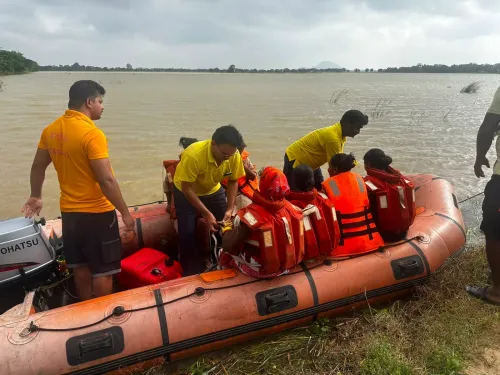
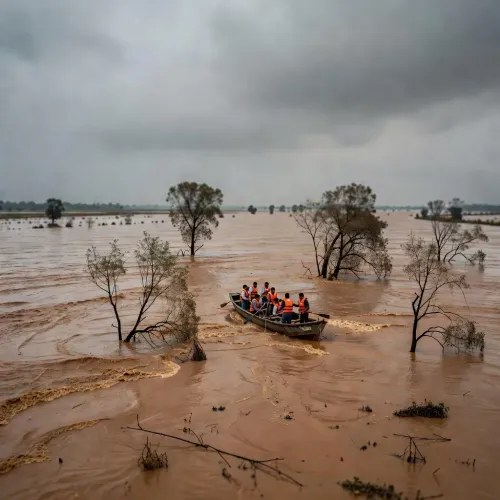
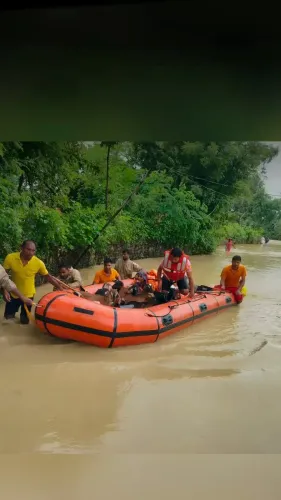
Floodwaters are on the move in Odisha, and so is the state machinery. The Chief Minister's Office of Odisha confirmed on Friday, 31 July 2026 that flood-affected residents have been shifted to safety and relief camps are fully operational, as the administration races to ensure no family is left without support.
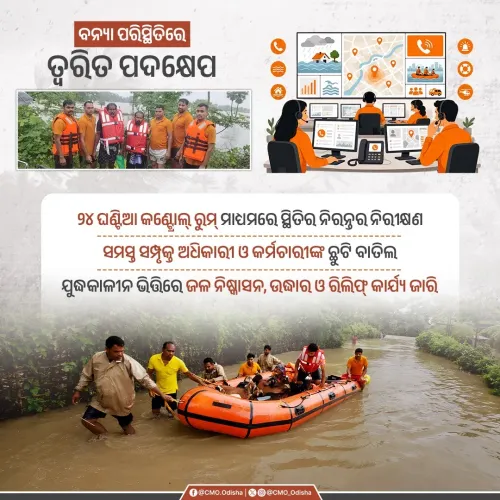
The post, written in Odia, stated: 'ବନ୍ୟା ପ୍ରଭାବିତଙ୍କୁ ନିରାପଦ ସ୍ଥାନକୁ ସ୍ଥାନାନ୍ତର କରାଯିବା ସହ ରିଲିଫ୍ କ୍ୟାମ୍ପଗୁଡ଼ିକ ସକ୍ରିୟ କରାଯାଇଛି।' — 'Flood-affected persons have been relocated to safe places and relief camps have been activated.' Evacuation, rescue operations, and relief-camp assistance are running simultaneously, with the administration pledging to ensure all facilities reach the public.
Odisha's Flood Machine: How the State Responds
Odisha's disaster response infrastructure was forged in fire — specifically, the catastrophic 1999 super cyclone that killed over 10,000 people and reshaped how the state manages natural disasters. The Odisha State Disaster Management Authority (OSDMA) was established in the aftermath to institutionalise what had previously been improvised: evacuation protocols, pre-positioned relief, and coordinated district-level response.
That architecture is now a national benchmark. Every monsoon season, rivers like the Mahanadi and its tributaries test it again. Low-lying communities are the first to flood and the last to recover — and it is precisely these populations that the CMO's update addresses: relocated, sheltered, and being reached with aid.
Three Tracks Running at Once
The CMO's update describes a three-pronged operation: evacuation of vulnerable residents, active rescue missions for those still stranded, and relief camps providing food, shelter, and medical assistance. Running all three simultaneously is the hallmark of a mature disaster-response system — and a signal that the situation on the ground is serious enough to demand it.
District administrations are the operational backbone of this response, coordinating between state agencies and local officials to push supplies to the last mile. The administration has assured that 'all measures are being ensured' to deliver every facility to the public — a commitment that will be tested as water levels determine how long the displacement lasts.
As floodwaters recede, the harder work begins: restoring road access, power connectivity, and the daily rhythms of communities that have been upended. Odisha has done this before. The question, as always, is how fast.
Point of View
Real-time accountability as part of disaster management itself, not an afterthought. The CMO's update fits a broader pattern of successive Odisha governments leveraging the state's post-1999 disaster infrastructure as a political and administrative asset, projecting competence during crises. The three-track response — evacuation, rescue, and relief camps — signals that the situation is acute, and the administration's credibility will ultimately rest on how equitably and quickly relief reaches the most vulnerable. For a state that has become India's template for disaster response, the bar it must clear is one it set itself.
NationPress
31 Jul 2026
Frequently Asked Questions
What is the Odisha government doing for flood victims in 2026?
The Odisha government has evacuated flood-affected residents to safe locations, activated relief camps, and is running simultaneous rescue operations to ensure aid reaches all affected people, as confirmed by the Chief Minister's Office on 31 July 2026.
Which rivers cause flooding in Odisha every year?
The Mahanadi and its tributaries are the primary drivers of recurrent monsoon flooding in Odisha, regularly inundating low-lying communities across multiple districts.
What is the Odisha State Disaster Management Authority (OSDMA)?
The OSDMA is the state body established after the devastating 1999 super cyclone to coordinate flood and cyclone preparedness, rescue, and relief operations across Odisha's flood-prone districts.
Are relief camps open in Odisha during the 2026 floods?
Yes. The Chief Minister's Office confirmed on 31 July 2026 that relief camps have been activated and are providing food, shelter, and assistance to displaced flood-affected residents.
How does Odisha manage flood evacuations?
Odisha uses a standing protocol developed after the 1999 super cyclone, with the OSDMA coordinating district administrations to evacuate vulnerable populations, run rescue missions, and operate relief camps during monsoon flood events.