Mandaviya addresses Global Industrial Relations Summit in Delhi
Synopsis
Labour Minister Mansukh Mandaviya addressed the 4th Global Industrial Relations Summit in New Delhi, co-hosted by AIOE and FICCI, reaffirming the Modi government's dual-track policy of 'Ease of Living' for workers and 'Ease of Doing Business' for industry — the philosophy underpinning India's consolidation of 29 labour laws into four codes.
Key Takeaways
Mansukh Mandaviya addressed the 4th Global Industrial Relations Summit in New Delhi on 31 July 2026 .
The summit was jointly organised by AIOE (All India Organisation of Employers) and FICCI , India's oldest apex business body founded in 1927 .
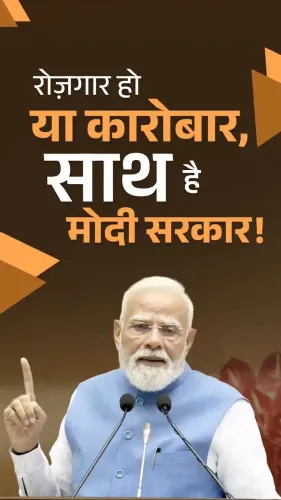
Mandaviya articulated the Modi government's twin-track doctrine: 'Ease of Living' for workers and 'Ease of Doing Business' for industry.
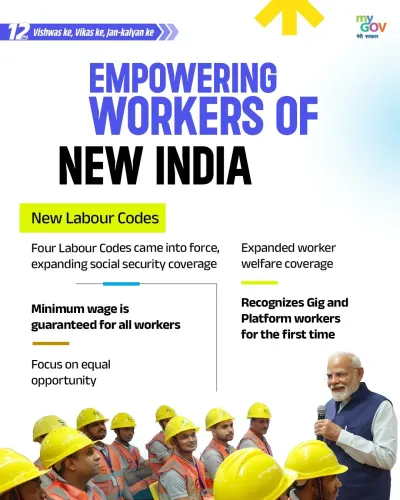
Parliament passed four labour codes in 2020 , consolidating 29 central labour laws to simplify compliance and extend social security coverage.
State-level notification of labour code rules remains the key implementation hurdle, as labour is a concurrent subject under India's Constitution.
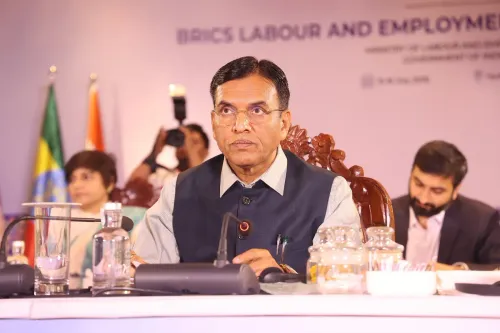
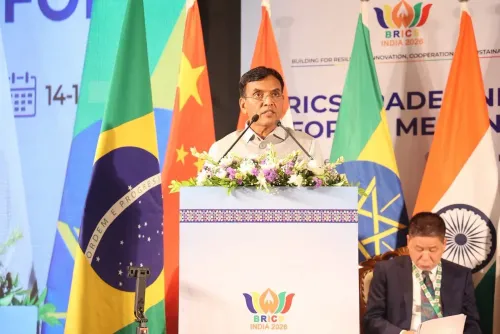
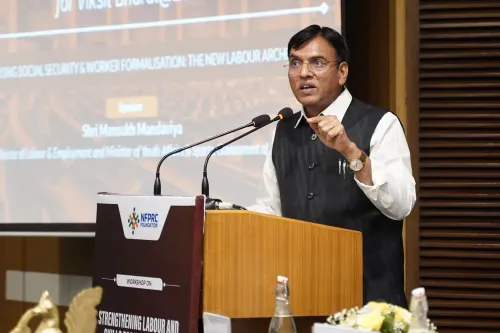
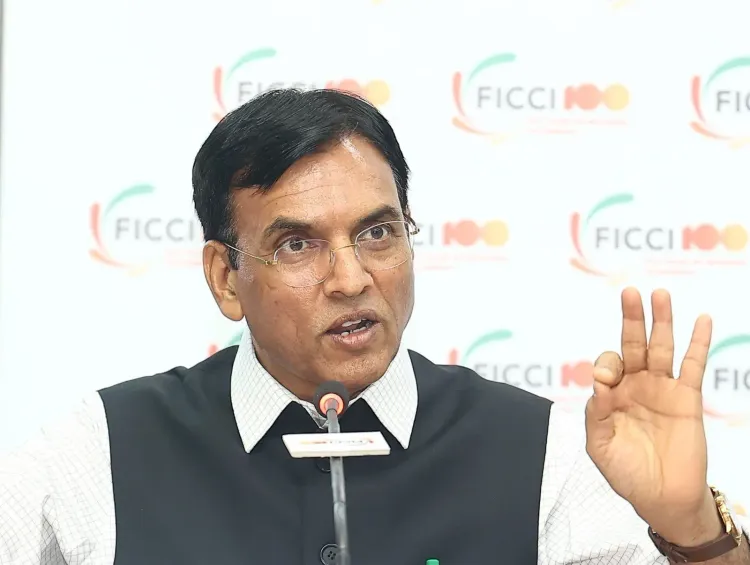
Two pillars, one policy direction. Union Labour and Sports Minister Mansukh Mandaviya told industry and worker representatives at the '4th Global Industrial Relations Summit' in New Delhi on 31 July 2026 that the Modi government sees labour and industry not as competing interests but as co-architects of national growth — and that every policy his ministry shapes is built to serve both.
Addressing the summit organised jointly by the All India Organisation of Employers (AIOE) and the Federation of Indian Chambers of Commerce and Industry (FICCI), Mandaviya articulated the government's twin-track doctrine: 'Ease of Living' for workers and 'Ease of Doing Business' for industry — pursued simultaneously, not in sequence.
AIOE, FICCI, and the forum that brought them together
FICCI, founded in 1927, is India's oldest and largest apex business body, while AIOE functions as its affiliated employers' wing, representing industry associations across sectors. The Global Industrial Relations Summit is their shared platform for structured dialogue between employers, workers, and policymakers — making it one of the few forums where all three sides of the tripartite labour relationship sit in the same room.
Mandaviya's presence and address at the summit signals that the Labour Ministry intends to keep that conversation active at the highest level, particularly as India pushes to attract manufacturing investment and simultaneously expand its formal workforce.
The dual-track logic behind Modi's labour reforms
The policy architecture Mandaviya described did not emerge in isolation. Parliament passed four labour codes in 2020, consolidating 29 central labour laws into a simplified framework designed to reduce compliance burden on employers while extending social security coverage to more workers — including those in the gig and informal economy.
That codification project is the structural spine beneath the rhetoric of 'Ease of Living' and 'Ease of Doing Business.' The practical test, however, lies at the state level: labour is a concurrent subject under the Constitution, and states must individually notify their own rules under the codes before they take full effect. That process remains uneven across India.
At forums like this summit, the Centre uses the stage to reaffirm policy direction to investors and industry bodies — signalling that the reform agenda is stable, regardless of state-level implementation timelines.
What the minister's framing tells investors and workers
Mandaviya's address carries a deliberate message: that worker welfare and business competitiveness are not a zero-sum trade-off. This framing has been consistent across successive Modi governments since 2014, when Ease of Doing Business rankings became a flagship metric, and it has grown more elaborate as India positions itself as an alternative manufacturing destination to China.
The 'Ease of Living' counterpart — covering wage security, occupational safety, social security portability, and grievance redress — is the government's answer to criticism that labour flexibility reforms disproportionately benefit employers. Articulating both in a single breath, at an employers' summit, is itself a political and policy signal.
India's labour policy is entering a phase where words at summits must convert into notified rules and functional mechanisms — and the next tripartite announcements will reveal how much of the dual-track promise becomes ground reality.
Point of View
The Labour Ministry is reinforcing a narrative of complementarity ahead of what could be a critical phase for the four labour codes. The real test of this framing is state-level implementation: until states notify their rules, the codes remain largely symbolic. Tripartite forums like this summit serve as pressure valves and signal-setting exercises — but they also raise expectations that must eventually be met on the ground.
NationPress
14 Sept 2026
Frequently Asked Questions
What is the 4th Global Industrial Relations Summit?
It is an annual summit organised by the All India Organisation of Employers (AIOE) and FICCI that brings together employers, workers, and policymakers to discuss labour-management relations and policy reforms in India.
What did Mansukh Mandaviya say at the FICCI labour summit?
Mandaviya said the Modi government believes workers and industry are both essential pillars of national development, and that every policy his ministry shapes works simultaneously toward 'Ease of Living' for workers and 'Ease of Doing Business' for industry.
What are India's four labour codes?
Parliament passed four labour codes in 2020 that consolidate 29 central labour laws into a simplified framework, aimed at reducing compliance burden for employers while extending social security protections to more workers, including those in the gig economy.
What is AIOE and what is its role in Indian labour policy?
AIOE, or the All India Organisation of Employers, is an apex employers' body affiliated with FICCI that represents industry associations and participates in tripartite dialogue between employers, workers, and the government on labour policy matters.
Why have India's new labour codes not been fully implemented yet?
Labour is a concurrent subject under India's Constitution, meaning both the Centre and states have jurisdiction. States must individually notify their own rules under the four codes before they take full effect, and this process has progressed unevenly across different states.