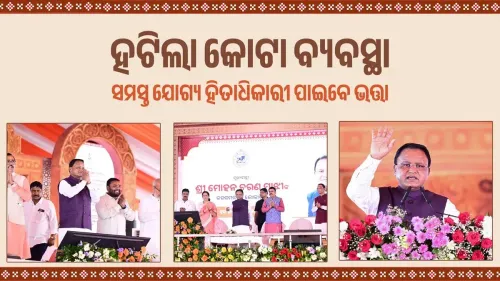
Odisha ends pension quota, adds 5 lakh new beneficiaries
Synopsis
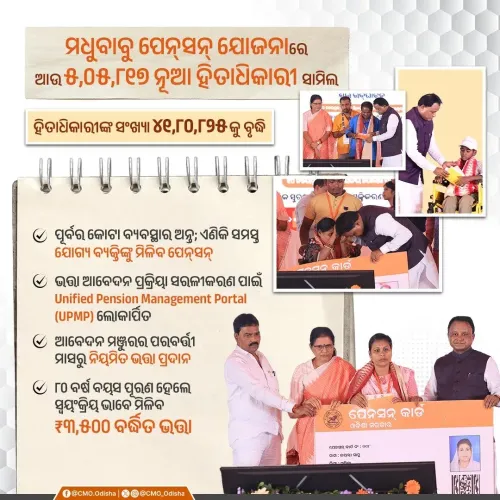
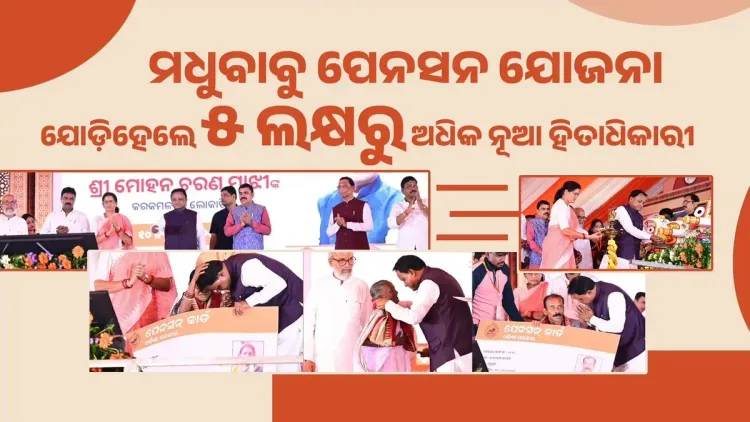
Odisha has abolished the quota system under the Madhu Babu Pension Yojana, enrolling over 5 lakh additional eligible beneficiaries. The shift to criteria-based inclusion marks one of the state's largest single expansions of pension coverage for the elderly, widows, and persons with disabilities.
Key Takeaways
The Government of Odisha has abolished quota restrictions under the Madhu Babu Pension Yojana , effective 12 November 2026 .
5,05,817 additional eligible beneficiaries have been brought under pension coverage in a single policy move.
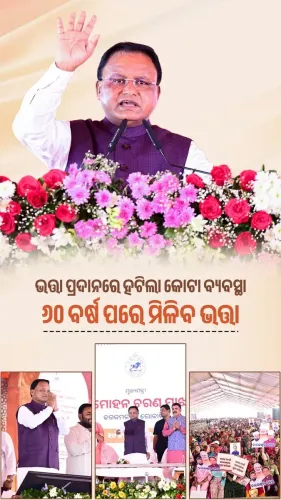
Going forward, eligibility criteria alone — not district or category quotas — will determine pension entitlement.
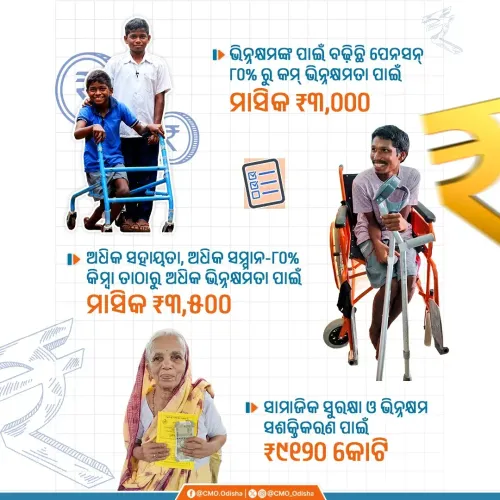
The scheme supports elderly citizens, widows, and persons with disabilities across Odisha.
The expansion raises questions about state budget allocations and the speed of disbursement to newly enrolled beneficiaries.
After years of eligible citizens waiting on the wrong side of a bureaucratic cap, Odisha has rewritten the rules of its flagship social-security scheme. The Chief Minister's Office of Odisha announced on Thursday, 12 November 2026 that the state government has abolished the quota system under the Madhu Babu Pension Yojana, immediately bringing 5,05,817 additional eligible beneficiaries under its coverage — in one stroke, the largest single expansion of the scheme's reach.
What the quota system meant — and why it had to go
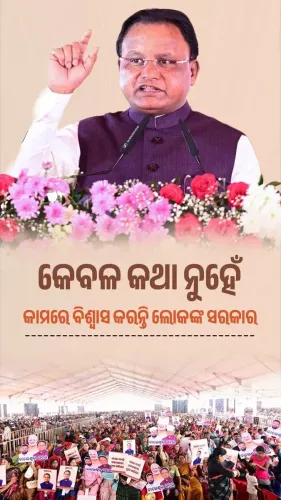
The Madhu Babu Pension Yojana, named after the revered Odia statesman and freedom fighter Madhusudan Das, has long been the state's primary welfare lifeline for the elderly, widows, and persons with disabilities. But a quota-based architecture meant that even a person who met every eligibility criterion could be turned away simply because a district's allocation was full. The government's announcement puts that contradiction to rest: 'ଏଣିକି କୋଟା ନୁହେଁ, ଯୋଗ୍ୟତା ହିଁ ହେବ ପେନସନ୍ର ମାପଦଣ୍ଡ' — 'From now on, eligibility — not quotas — will be the measure of pension entitlement.' The logic is elegant and overdue.
Half a million people, one policy shift
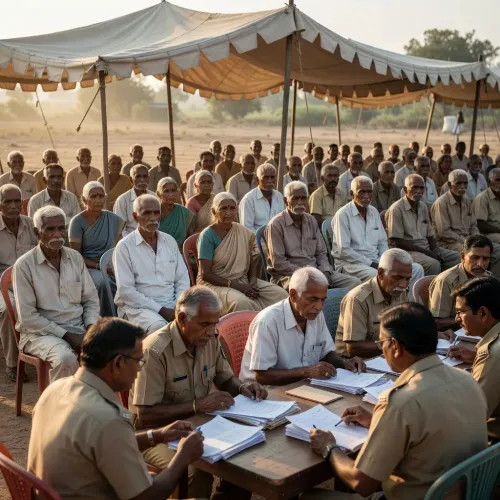
The number is not abstract. 5,05,817 people — a population larger than many Indian cities — were qualified for state support but excluded by a numerical ceiling. For the elderly living alone, for widows without independent income, for persons with disabilities navigating daily hardship, the pension is not a benefit at the margins; it is the floor beneath a dignified life. By moving to criteria-based inclusion, Odisha aligns with a broader national pattern in which states have progressively dismantled such caps to strengthen social-security floors for their most vulnerable citizens.
Budget reality and what comes next
The policy announcement is historic in scope, but its full meaning will be tested in implementation. With over five lakh new beneficiaries entering the rolls, the state's social-welfare budget faces a materially larger recurring outlay. The pace at which disbursements actually reach newly enrolled beneficiaries — and whether the administrative machinery can absorb the expansion without delays — will determine whether the promise translates into lived dignity. Progress on beneficiary onboarding and budget allocations in the upcoming state spending cycle will be the real scorecard.
Odisha has drawn a clear line: the era of a deserving citizen being told 'quota full' is over. The question now is how fast the cheques arrive.
Point of View
The move offers a potent governance narrative: reforming a legacy structure rather than merely expanding it. Nationally, the step fits a growing consensus that social-protection floors must be demand-driven rather than supply-capped. The harder test will be fiscal: adding over five lakh recurring pension recipients will stress the welfare budget, and the government's ability to maintain disbursement timelines will ultimately define whether this reform lands as a landmark or a promise.
NationPress
12 Nov 2026
Frequently Asked Questions
What is the Madhu Babu Pension Yojana?
The Madhu Babu Pension Yojana is an Odisha state government scheme that provides monthly pensions to eligible elderly citizens, widows, and persons with disabilities. It is named after Madhusudan Das , the pioneering Odia statesman and freedom fighter.
What change has Odisha made to the Madhu Babu Pension Yojana?
The Government of Odisha has abolished the quota-based restriction system, meaning any citizen who meets eligibility criteria will now receive the pension regardless of numerical caps. This has added 5,05,817 new beneficiaries to the scheme.
How many new beneficiaries will get pension under the revised scheme?
A total of 5,05,817 additional eligible beneficiaries have been brought under the Madhu Babu Pension Yojana following the removal of the quota system.
Who benefits from the Madhu Babu Pension Yojana?
The scheme covers three main groups: elderly citizens, widows, and persons with disabilities in Odisha who meet the government's income and eligibility norms.
What was the problem with the quota system in Odisha's pension scheme?
Under the old quota system, eligible citizens could be denied a pension simply because their district or category had reached its numerical allocation cap — irrespective of whether they met all the scheme's eligibility criteria. The new policy removes that barrier entirely.