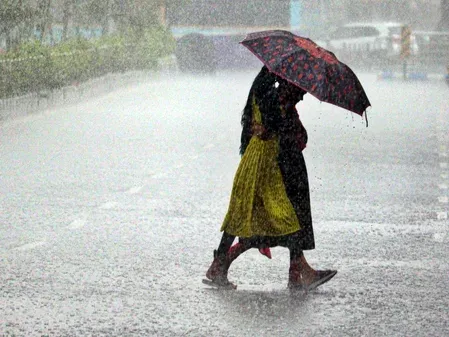
Odisha on high alert as deep depression brings heavy rain on July 27
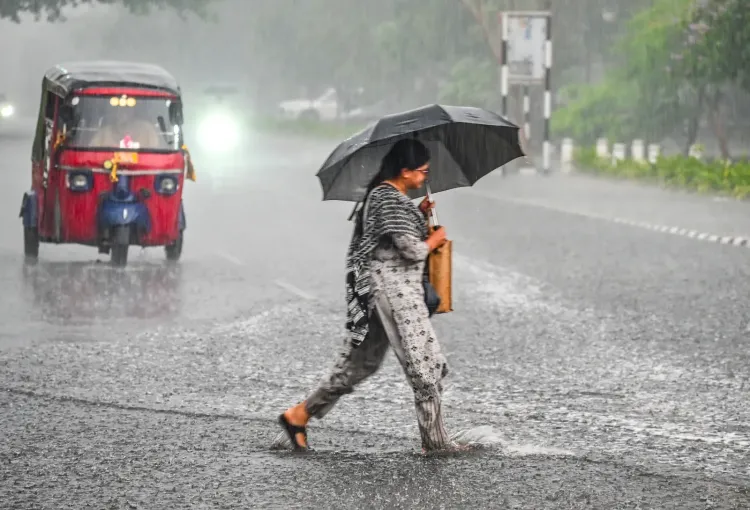
Synopsis
With Odisha already sitting on rainfall 75.7% above the seasonal average, a deep depression is set to cross the Baleshwar–Canning coastline on the evening of 27 July. The IMD's red warning for three districts and a high-level government review signal that this is one of the more serious weather alerts the state has faced this monsoon season.
Key Takeaways
Revenue and Disaster Management Minister Suresh Pujari chaired a high-level review meeting on 27 July to assess Odisha's flood preparedness.
The IMD issued a red warning for extremely heavy rainfall in Sundargarh , Kendujhar , and Mayurbhanj districts.
The deep depression is forecast to cross the West Bengal–North Odisha coast between Baleshwar and Canning on the evening of 27 July .
Odisha has received 517.6 mm of cumulative rainfall since 1 July — 75.7% above the seasonal average.
All major rivers remain below warning levels; no adverse incidents reported so far.
The State Emergency Operation Centre (SEOC) is operational on a 24×7 basis alongside all District Emergency Operation Centres.
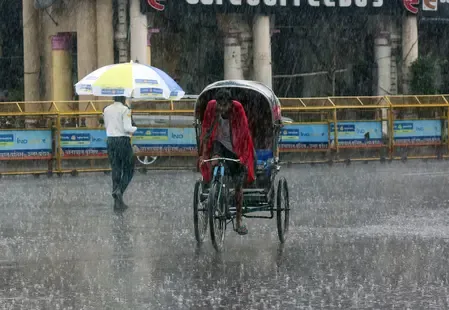
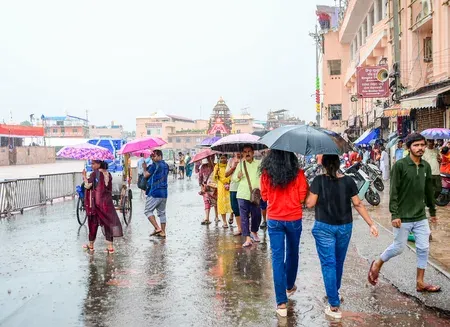
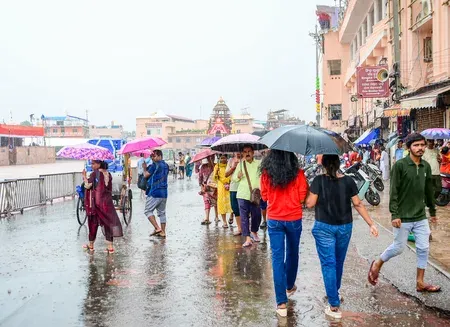
Odisha activated its full emergency apparatus on Monday, 27 July as a deep depression over the northwest Bay of Bengal triggered incessant rainfall across the state. Revenue and Disaster Management Minister Suresh Pujari chaired a high-level preparedness review meeting, directing all district administrations to maintain round-the-clock vigilance and ensure prompt response to any weather-related eventuality.
Key Directives from the Review Meeting
Pujari stressed that the protection of human life remains the government's foremost priority. He instructed officials to ensure timely evacuation of vulnerable populations wherever necessary, and to make adequate arrangements for cooked food, dry ration, drinking water, shelter, and other essential relief supplies.
He also emphasised close coordination among all emergency response departments to enable swift ground-level action. Collectors, Block Development Officers (BDOs), and senior officials from districts including Mayurbhanj, Jagatsinghpur, Kendrapada, Kendujhar, Baleshwar, Bhadrak, Kalahandi, and Sundargarh participated via video conferencing and briefed the Minister on preparedness measures in their respective districts.
IMD Red Warning and Landfall Forecast
The India Meteorological Department (IMD) forecast that the deep depression is likely to move north-northwestwards and cross the West Bengal–North Odisha coast between Odisha's Baleshwar and West Bengal's Canning during the late afternoon and evening of 27 July. The weather agency issued a red warning predicting extremely heavy rainfall in Sundargarh, Kendujhar, and Mayurbhanj districts, with heavy rainfall forecast across several other districts as well.
Rainfall Data and River Levels
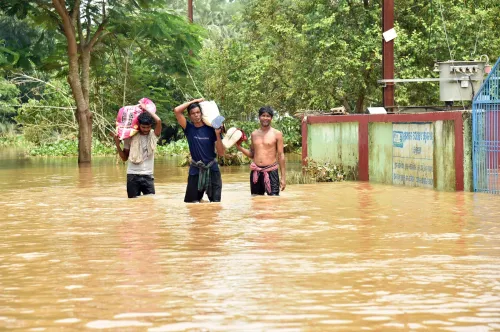
Since 1 July, Odisha has recorded 517.6 mm of cumulative rainfall — 75.7% above the seasonal average. Despite the surplus, all major rivers in the state are currently flowing below warning levels, and no adverse incidents have been reported from any district so far.
The State Emergency Operation Centre (SEOC) is monitoring the evolving situation on a 24×7 basis in close coordination with all District Emergency Operation Centres (DEOCs) and concerned departments. District administrations have activated precautionary measures including evacuation preparedness, localised flood response, and relief distribution.
Government's Commitment to Public Safety
Reiterating the administration's readiness, Pujari said all departments are working in close coordination and every district has been instructed to remain fully prepared. The government has signalled it is ready to respond promptly to any escalation in the weather situation as the system makes landfall.
Point of View
Not just a weather footnote. The state has historically borne disproportionate cyclone and flood damage relative to its fiscal capacity, and the activation of video-conference reviews across eight districts suggests the administration is taking no chances. What the situation also underscores is the IMD's improving forecast granularity — a red warning pinpointing three specific districts is a far cry from the blanket alerts of a decade ago. The real test, as always, will be last-mile evacuation in coastal and riverine pockets where road access deteriorates precisely when it is needed most.
NationPress
26 Oct 2026
Frequently Asked Questions
What is the deep depression threatening Odisha on 27 July?
A deep depression has formed over the northwest Bay of Bengal and is forecast by the IMD to cross the West Bengal–North Odisha coast between Baleshwar and Canning during the late afternoon and evening of 27 July. It has triggered incessant rainfall across Odisha and prompted a state-wide high alert.
Which Odisha districts are under IMD red warning?
The IMD has issued a red warning — indicating extremely heavy rainfall — for Sundargarh, Kendujhar, and Mayurbhanj districts. Several other districts across the state are also under heavy rainfall forecasts.
How much rainfall has Odisha received this monsoon season?
Since 1 July, Odisha has recorded 517.6 mm of cumulative rainfall, which is 75.7% above the seasonal average as of 27 July. Despite this surplus, all major rivers are currently flowing below warning levels.
What emergency measures has the Odisha government activated?
Revenue and Disaster Management Minister Suresh Pujari has directed all district administrations to maintain 24×7 vigilance, ensure timely evacuation of vulnerable populations, and arrange cooked food, dry ration, drinking water, and shelter. The State Emergency Operation Centre is coordinating with all District Emergency Operation Centres round the clock.
Who attended the high-level preparedness review meeting?
The meeting was chaired by Minister Suresh Pujari and included Collectors, BDOs, and senior officials from Mayurbhanj, Jagatsinghpur, Kendrapada, Kendujhar, Baleshwar, Bhadrak, Kalahandi, and Sundargarh, who joined via video conferencing to brief the Minister on district-level preparedness.