Odisha Police launch e-Zero FIR system for cyber fraud above ₹10 lakh
Synopsis
Odisha Police have automated the first mile of cybercrime response: fraud complaints of ₹10 lakh and above filed on helpline 1930 now instantly generate an e-Zero FIR in CCTNS, bypassing jurisdiction delays that cost victims recovery time. It is one of the more operationally concrete state-level integrations of the national helpline infrastructure.
Key Takeaways
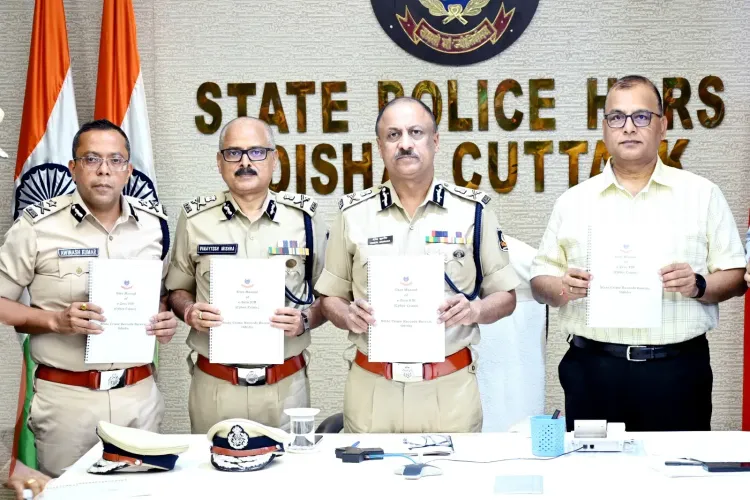
Odisha Police launched the e-Zero FIR System on 8 July at the Odisha Police headquarters in Cuttack .
Cyber financial fraud complaints of ₹10 lakh and above filed via National Cybercrime Helpline 1930 will automatically generate an e-Zero FIR in CCTNS .
Cases are routed to the Cyber Police Station, Crime Branch, Odisha , irrespective of jurisdiction.
The system eliminates duplicate data entry and enables complainants to track case status in real time.
DGP Yogesh Bahadur Khurania inaugurated the system and urged citizens to report fraud immediately on 1930 .
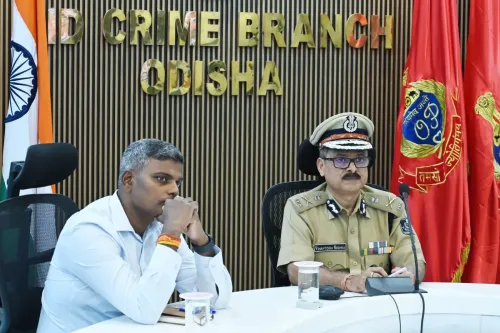
Odisha Police on Wednesday, 8 July launched the e-Zero FIR System for cyber financial fraud cases at the Odisha Police headquarters in Cuttack, marking a significant upgrade in the state's digital policing infrastructure. The system was inaugurated by Director General of Police Yogesh Bahadur Khurania and is designed to ensure faster case registration and reduce financial losses for fraud victims.
How the System Works
The State Crime Records Bureau (SCRB) has integrated the National Cybercrime Helpline 1930 with Odisha's Crime and Criminal Tracking Network and Systems (CCTNS). Under this framework, any cyber financial fraud complaint of ₹10 lakh and above reported via the helpline will automatically generate an e-Zero FIR request in CCTNS, regardless of jurisdictional boundaries, and route it to the Cyber Police Station, Crime Branch, Odisha.
Once a complaint arrives, the Cyber Police Station can take one of several actions: register a regular FIR and investigate, transfer the matter to the relevant jurisdictional cyber police station, register a Zero FIR and forward it to the competent territorial unit, link it with an existing FIR, or close the request if the prescribed criteria are not met.
Key Operational Benefits
According to Odisha Police, the integration eliminates duplicate data entry — a persistent bottleneck in multi-agency cybercrime response. It enables seamless information sharing among law enforcement agencies and allows complainants to track the status of their cases more efficiently. The automatic generation of e-Zero FIR requests also removes the earlier dependency on jurisdiction, a factor that frequently delayed action in cross-district or cross-state fraud cases.
What the DGP Said
DGP Khurania stated, 'Odisha Police remain committed to harnessing technology to strengthen cybercrime response mechanisms and provide timely, transparent and citizen-friendly policing.' He urged citizens to report cyber financial frauds immediately through the National Cybercrime Helpline 1930 to improve the chances of recovering defrauded funds. He also acknowledged the contributions of officers and personnel from the SCRB, Crime Branch, and associated stakeholders.
Why This Matters
Cyber financial fraud has been rising steadily across India, with victims often losing critical recovery time navigating jurisdictional disputes between police stations. By automating the FIR initiation process for high-value fraud cases, Odisha's model directly addresses that delay. Notably, the ₹10 lakh threshold ensures that the Cyber Crime Branch's resources are concentrated on cases with the highest financial impact. This is part of a broader national push to strengthen the 1930 helpline ecosystem, which several states have been integrating with their own crime tracking systems at varying speeds.
What Comes Next
With the backend integration now live, the effectiveness of the system will depend on response turnaround times at the Cyber Police Station and the capacity of Crime Branch investigators to handle the expected increase in routed complaints. Citizens across Odisha are encouraged to report fraud immediately via 1930 to maximise the window for freezing and recovering defrauded amounts.
Point of View
But it also means the bulk of lower-value cyber frauds — which affect far more ordinary citizens — remain outside this automated track. The real test will be whether Crime Branch can absorb the routed caseload without creating a new bottleneck upstream.
NationPress
7 Oct 2026
Frequently Asked Questions
What is the e-Zero FIR system launched by Odisha Police?
The e-Zero FIR system is a digital mechanism that automatically generates a First Information Report request in the CCTNS database whenever a cyber financial fraud of ₹10 lakh or more is reported via the National Cybercrime Helpline 1930. It routes the complaint directly to the Cyber Police Station, Crime Branch, Odisha, bypassing jurisdictional constraints.
Who launched the e-Zero FIR system and when?
Director General of Police Yogesh Bahadur Khurania launched the system on 8 July at the Odisha Police headquarters in Cuttack during a special programme organised for the occasion.
What is the minimum fraud amount covered under the e-Zero FIR system?
The system covers cyber financial fraud complaints of ₹10 lakh and above. Complaints below this threshold are not automatically routed through the e-Zero FIR mechanism under the current framework.
How does the system help victims of cyber fraud?
The integration eliminates the need for victims to approach a specific police station based on jurisdiction. It enables faster case registration, allows complainants to track their complaint status, and improves the chances of freezing defrauded funds by reducing the time between reporting and police action.
What can citizens do if they are victims of cyber financial fraud in Odisha?
Citizens should immediately call the National Cybercrime Helpline 1930 to report the fraud. Under the new system, eligible complaints will automatically trigger an e-Zero FIR, enabling prompt intervention by the Cyber Police Station, Crime Branch, Odisha.