Political Turmoil in Odisha: Allegations of Horse-Trading Before Rajya Sabha Elections
Synopsis
In a bold move, Naveen Patnaik criticizes the BJP for alleged horse-trading ahead of the Rajya Sabha polls. This politically charged atmosphere raises questions about ethics and loyalty in Odisha's political landscape.
Key Takeaways
Naveen Patnaik criticizes BJP over horse-trading allegations.
Political tensions are escalating in Odisha.
BJD has issued a directive for MLAs to remain in Bhubaneswar during the election period.
Concerns about cross-voting and party loyalty are rising.
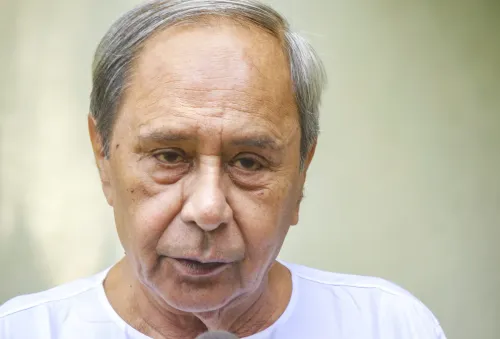
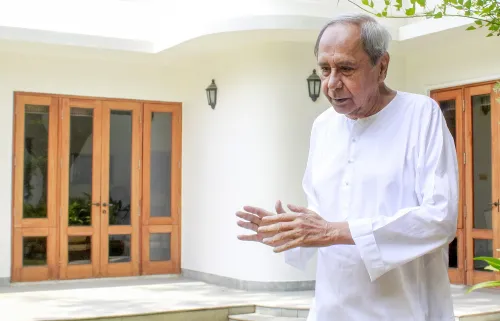
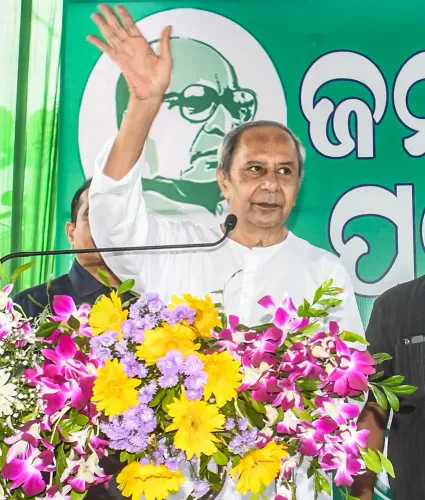
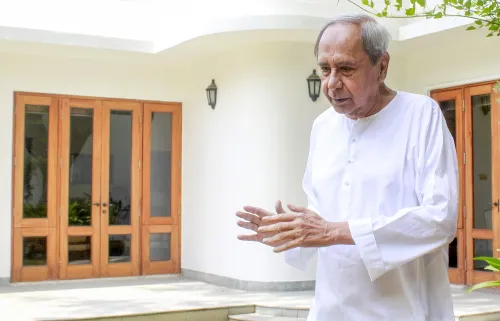
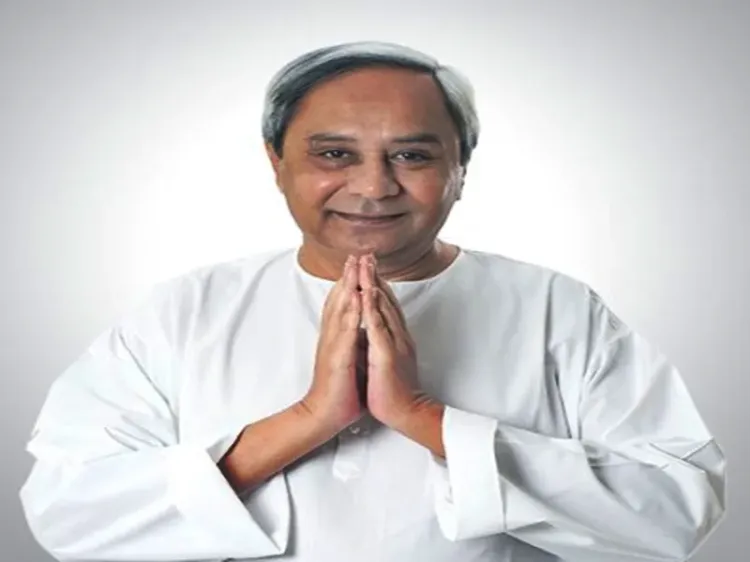
Bhubaneswar, March 11 (NationPress) The Biju Janata Dal (BJD) chief and Leader of the Opposition, Naveen Patnaik, vehemently criticized the state administration on Wednesday, accusing the ruling Bharatiya Janata Party (BJP) of engaging in horse-trading in the lead-up to the Rajya Sabha elections.
During a press conference, Patnaik remarked: “I have urged the state government to take prompt action for the thousands of Odias stranded in Middle Eastern nations. Instead of prioritizing this urgent matter, the BJP in Odisha appears to be preoccupied with horse-trading as the Rajya Sabha elections approach. This situation is truly alarming for our state.”
The former Chief Minister made these comments while visiting a private hospital in Bhubaneswar to see a senior BJD leader from his constituency, Krushna Chandra Nayak, Block Chairman of Shergad, who is presently receiving treatment following a severe assault allegedly by BJP supporters at the block office on Tuesday.
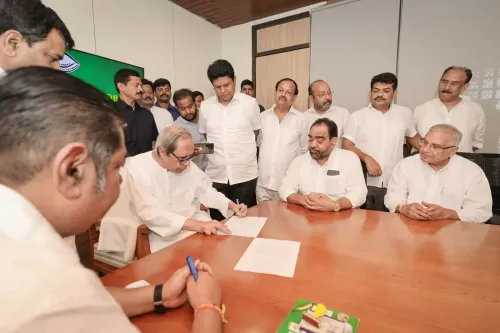
As political tensions escalate, the opposition BJD on Wednesday issued a three-line whip mandating all its MLAs to remain in Bhubaneswar from March 13 to 16 in preparation for the Rajya Sabha elections.
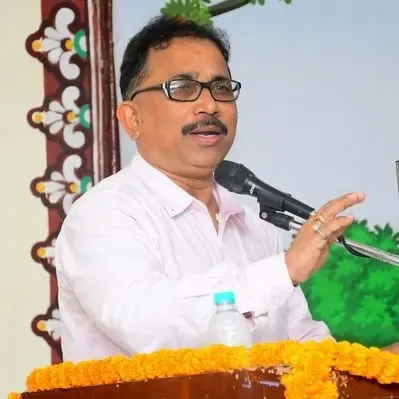
“All MLAs of the Biju Janata Dal in the Odisha Legislative Assembly are hereby notified that the voting for the Rajya Sabha Elections 2026 is scheduled for Monday, March 16, 2026, from 9:00 a.m. to 4:00 p.m. at the Odisha Legislative Assembly premises. All Biju Janata Dal MLAs are instructed to stay at headquarters and ensure their presence in Bhubaneswar from March 13 to March 16, 2026, without fail,” stated the order issued by BJD chief whip Pramila Mallik.
She further emphasized that this order should be regarded as a three-line whip, necessitating strict adherence.
Importantly, there is widespread speculation regarding possible horse-trading ahead of the Rajya Sabha polls, with political observers closely monitoring the likelihood of cross-voting and shifting loyalties.
Point of View
Such accusations could significantly influence voter perceptions and party dynamics.
NationPress
24 Sept 2026
Frequently Asked Questions
What are the allegations made by Naveen Patnaik?
Naveen Patnaik has accused the BJP of engaging in horse-trading ahead of the Rajya Sabha elections, claiming they are focusing on political maneuvering instead of addressing pressing issues affecting Odias.
What actions has the BJD taken in response to the political climate?
The BJD has issued a three-line whip instructing all its MLAs to be present in Bhubaneswar during the Rajya Sabha elections to ensure party coherence.
Why is the situation in Odisha being closely monitored?
Political observers are watching closely due to the potential for cross-voting and shifts in allegiances as the Rajya Sabha elections approach.