Odisha CMO deploys vet teams for flood-hit livestock
Synopsis
The Chief Minister's Office of Odisha announced on 19 August 2026 that veterinary teams are conducting door-to-door health checks and distributing fodder and medicines to flood-affected livestock, while animal keepers receive advisory support — part of the state's coordinated disaster relief framework.
Key Takeaways
The Chief Minister's Office of Odisha confirmed active livestock relief operations in flood-affected areas as of 19 August 2026 .
Veterinary teams are conducting house-to-house health checks , administering treatment, and distributing medicines to animals.
Continuous fodder supply is being maintained in flood-hit zones to prevent livestock distress or mortality.
Animal keepers are receiving advisory guidance on protecting and caring for their livestock during the flood.
The response is framed as coordinated and continuous , consistent with Odisha's established disaster management protocols under OSDMA , set up after the 1999 super cyclone.
As monsoon floodwaters sweep through rural Odisha, the state government is racing to protect not just people — but the cattle, dairy animals, and draught livestock that millions of farming families depend on for survival. The Chief Minister's Office of Odisha confirmed on Wednesday, 19 August 2026 that continuous fodder supply and door-to-door veterinary care are now reaching flood-affected areas across the state.
The post, written in Odia, states: 'Banya paristhitire pranisampada ra suraksha o pranipalaanka jibikara surakshaku gurutwa dei' — 'Prioritising the protection of livestock and the livelihoods of animal keepers in the flood situation.' Veterinary teams are conducting house-to-house health checks, administering treatment, and distributing medicines to affected animals. Animal keepers are also receiving advisory guidance on livestock care and protection during the crisis.
What the relief operation looks like on the ground
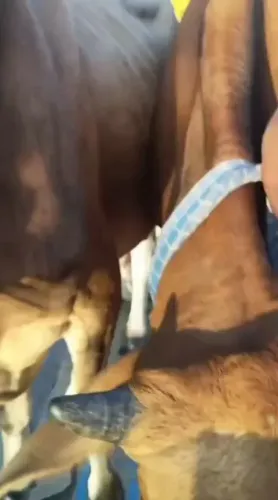
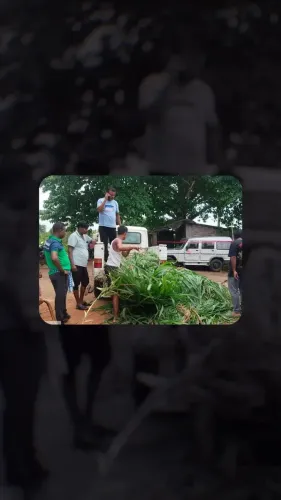
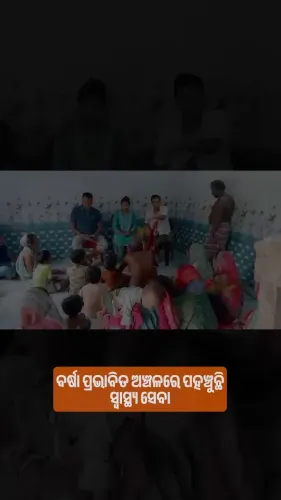
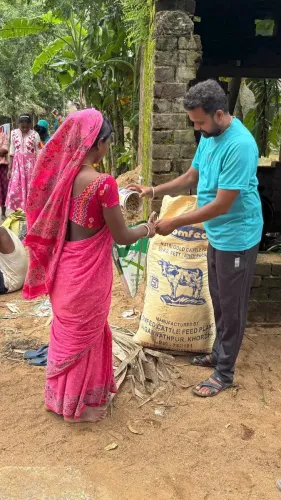
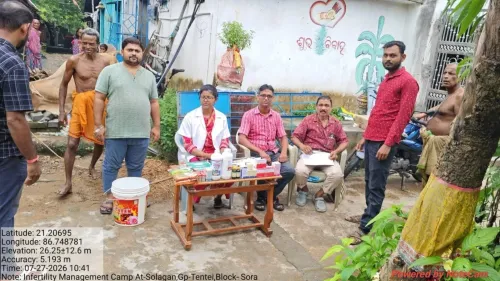
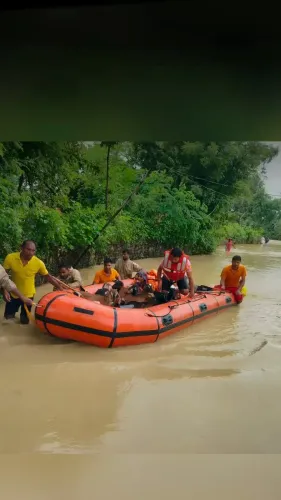
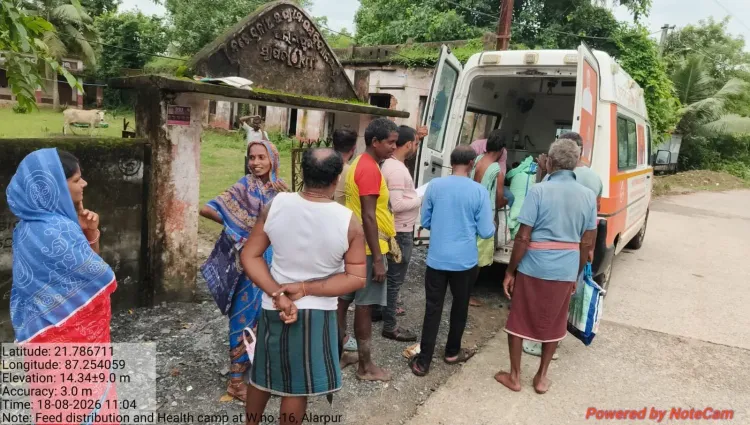
The CMO's communication describes a three-pronged response: uninterrupted fodder supply to flood-hit zones, mobile veterinary health camps going door to door, and direct counselling for livestock owners on protecting their animals. Four images accompanying the post show field teams at work in what appear to be rural, waterlogged settings.
The government's statement underlines that the effort is both 'continuous' and 'coordinated' — language that signals a structured relief framework rather than ad hoc response. Odisha's Odisha State Disaster Management Authority (OSDMA), established after the devastating 1999 super cyclone, has long integrated livestock protection into the state's disaster response protocols.
Why cattle relief is central to Odisha's flood strategy
In rural Odisha, draught animals and dairy livestock are not peripheral — they are the economic backbone of farming households. A flood that kills or weakens cattle can push a family into distress sales or debt before the next crop cycle even begins. Odisha's annual exposure to monsoon flooding from rivers like the Mahanadi has made this a recurring challenge, and the state has over the years embedded animal husbandry support directly into its disaster management playbook.
Mobile veterinary camps, fodder distribution, and livestock advisory services have become standard components of Odisha's flood relief architecture — a model that reflects hard-won institutional learning from successive disasters. The current operation follows that established pattern, with the government signalling it will sustain the effort for as long as the flood situation persists.
The scale of fodder distributed, the number of animals treated, and whether compensation measures for livestock loss will follow are the next markers to watch — and the numbers, when they come, will tell the real story of how deep this crisis runs.
Point of View
The state is protecting household assets that no insurance or compensation scheme can quickly replace. This communication also serves a political purpose: reassuring farming communities that the government sees their livelihoods, not just their safety. The real test will come in the post-flood accounting — how many animals were treated, how much fodder reached the last mile, and whether mortality figures stayed low.
NationPress
3 Oct 2026
Frequently Asked Questions
What is the Odisha government doing for livestock during the 2026 floods?
The Odisha government is supplying continuous fodder to flood-affected areas, deploying veterinary teams for door-to-door health checks and medicine distribution, and providing advisory support to animal keepers on livestock protection.
Which agency manages livestock relief during Odisha floods?
The Odisha State Disaster Management Authority (OSDMA) , established in 1999 after the super cyclone, coordinates disaster relief including livestock care through the state's animal husbandry department.
Why is livestock protection important during Odisha floods?
Cattle and dairy animals are a primary economic asset for rural farming households in Odisha. Flood-related livestock loss or distress can force families into debt or distress sales, making animal relief a critical part of livelihood protection.
What rivers cause flooding in Odisha?
The Mahanadi is among the major rivers whose monsoon flooding regularly affects rural Odisha, along with other river systems in the state's flood-prone eastern plains.
Will the Odisha government compensate farmers for livestock lost in floods?
The CMO's 19 August 2026 post focused on active relief operations; any compensation or long-term fodder security measures have not yet been announced and will be a key development to watch.