Odisha CMO: Door-to-Door Health Teams Hit Rain-Hit Zones
Synopsis
The Chief Minister's Office of Odisha announced on 1 August 2026 that Health Department teams are conducting door-to-door visits in rain-affected areas, delivering medical care, health counselling, and disease-prevention awareness to flood-hit families.
Key Takeaways
The Chief Minister's Office of Odisha announced the deployment of health teams in rain-affected areas on 1 August 2026 .
The Health Department is conducting door-to-door visits to reach affected families directly.
Services include health advice, essential medical treatment, and disease-prevention awareness .
Odisha faces recurrent monsoon flooding that raises risks of waterborne diseases such as cholera and typhoid.
The activation follows the state's established annual disaster health response protocol .
District-level disease surveillance data and deployment scale figures have not yet been released.
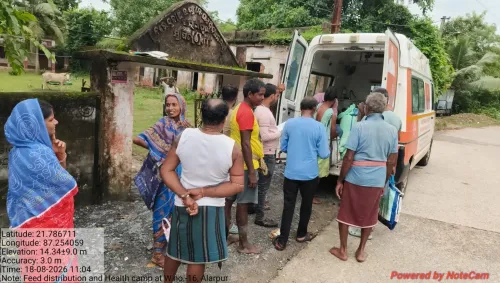
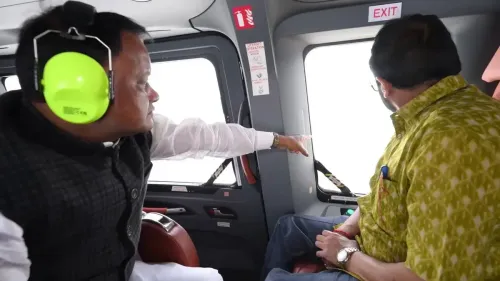
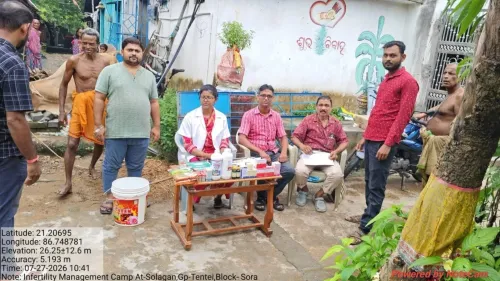
As monsoon flooding batters parts of Odisha, the state government is pushing health workers directly into affected neighbourhoods — house by house, family by family. The Chief Minister's Office of Odisha confirmed on Saturday, 1 August 2026 that the Health Department has deployed field teams across rain-hit areas to deliver care where it is needed most.
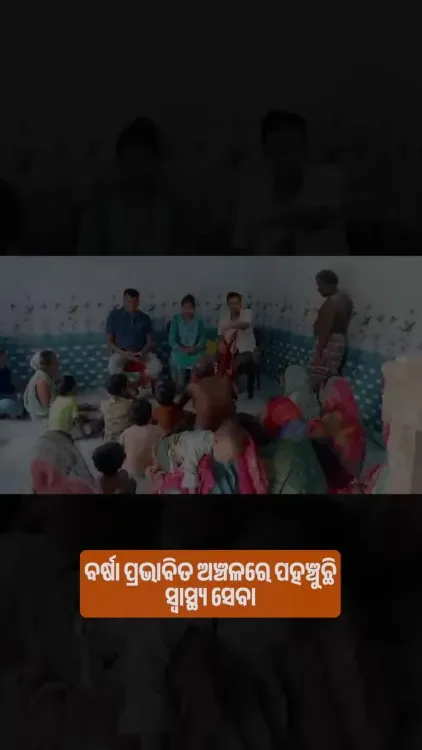
The CMO's post, written in Odia, states: 'ବର୍ଷା ପ୍ରଭାବିତ ଅଞ୍ଚଳରେ ପ୍ରତ୍ୟେକ ଜନସାଧାରଣଙ୍କ ସ୍ୱାସ୍ଥ୍ୟକୁ ସର୍ବୋଚ୍ଚ ପ୍ରାଥମିକତା ଦିଆଯାଉଛି' — 'The health of every citizen in rain-affected areas is being given the highest priority.' Health teams are conducting door-to-door visits to provide medical advice, essential treatment, and disease-prevention awareness to affected families.Why Door-to-Door Outreach Is the First Line of Defence
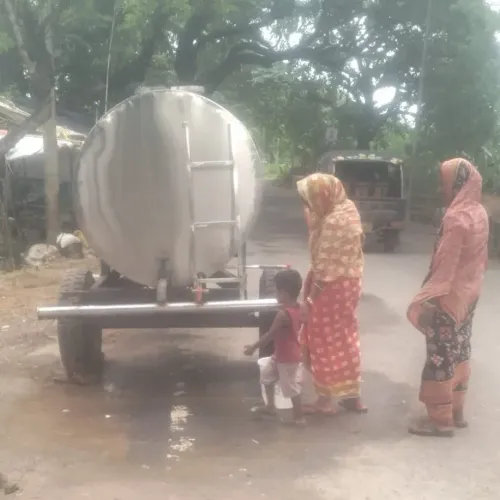
Odisha's monsoon seasons carry a familiar and dangerous pattern. Flooding drives people out of their homes, contaminates drinking water sources, and creates breeding grounds for waterborne diseases — cholera, typhoid, and leptospirosis among them. When floodwaters recede, the disease burden often surges. The Health Department, Government of Odisha has a standing protocol of activating field teams during such periods precisely to intercept illness before it escalates into an outbreak.
Door-to-door outreach closes a critical gap: displaced or stranded residents cannot always reach clinics, so the state brings the clinic to them. Teams carry medicines, conduct rapid assessments, and — crucially — spread awareness about hygiene and contamination risks that can prevent the next wave of illness.
Odisha's Annual Disaster Health Playbook
The state has refined this response over years of dealing with cyclones and monsoon floods. Health surveillance teams, mobile medical units, and community health workers are standard deployments once a district is declared flood-affected. The current activation follows that established playbook. The government has not yet released district-level disease surveillance data or specific figures on the number of teams deployed or families covered.
What the CMO's communication signals is a state machinery already in motion — not waiting for a crisis to deepen before responding. For the families receiving these visits, the knock on the door from a health worker is often the only medical contact they get during the worst days of the flood season.
The next critical marker will be whether disease incidence data from affected districts shows the outreach is holding the line — or whether the scale of this monsoon demands a further escalation of the health response.
Point of View
And activating health outreach early in the flood cycle is consistent with that institutional identity. The political calculus is clear: visible, proactive health response during monsoon distress is both good governance and good optics. The real test, however, is whether on-ground capacity matches the messaging — a question that district-level data, when it emerges, will answer.
NationPress
15 Sept 2026
Frequently Asked Questions
What is the Odisha government doing for flood-affected people's health?
The Odisha Health Department has deployed teams for door-to-door visits in rain-affected areas, providing medical treatment, health counselling, and disease-prevention awareness to affected families.
Which diseases are a risk after flooding in Odisha?
Monsoon flooding in Odisha raises the risk of waterborne diseases including cholera, typhoid, and leptospirosis, which is why early health outreach and hygiene awareness are prioritised.
What did the Odisha CMO post about the floods?
On 1 August 2026, the Chief Minister's Office of Odisha posted that the health of every citizen in rain-affected areas is the highest priority, and that health teams are conducting house-to-house visits.
How does Odisha manage health during monsoon floods?
Odisha activates a standing disaster health response that includes mobile medical units, field health teams, and community outreach workers who conduct door-to-door visits in flood-hit districts.
Which department is handling health services in Odisha flood areas?
The Health Department of the Government of Odisha is responsible for deploying teams and delivering continuous health services in rain-affected areas.