CM Majhi Signs Historic Friendship Pact With Japan's Tottori
Synopsis
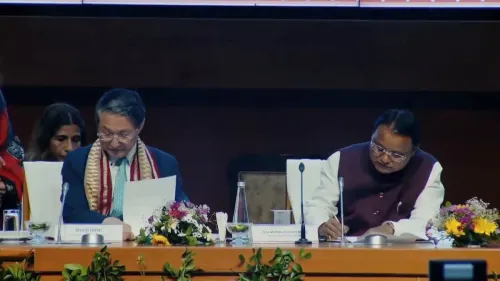
Odisha Chief Minister Mohan Charan Majhi has signed a historic Friendship Agreement and two MoUs with Japan's Tottori Prefecture, covering industry, startups, skill development and tourism — a landmark step in India's state-level Act East diplomacy aimed at unlocking jobs and investment for Odisha's youth.
Key Takeaways
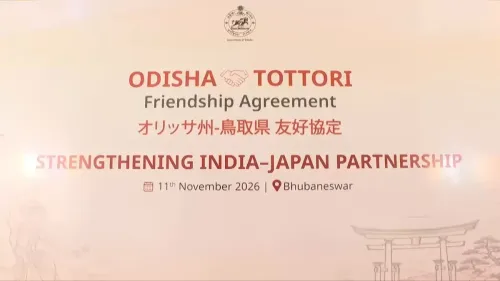
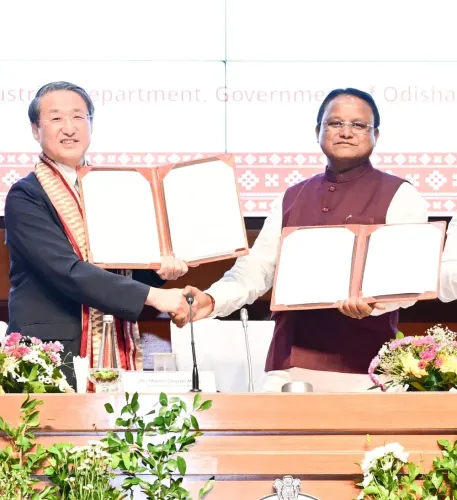
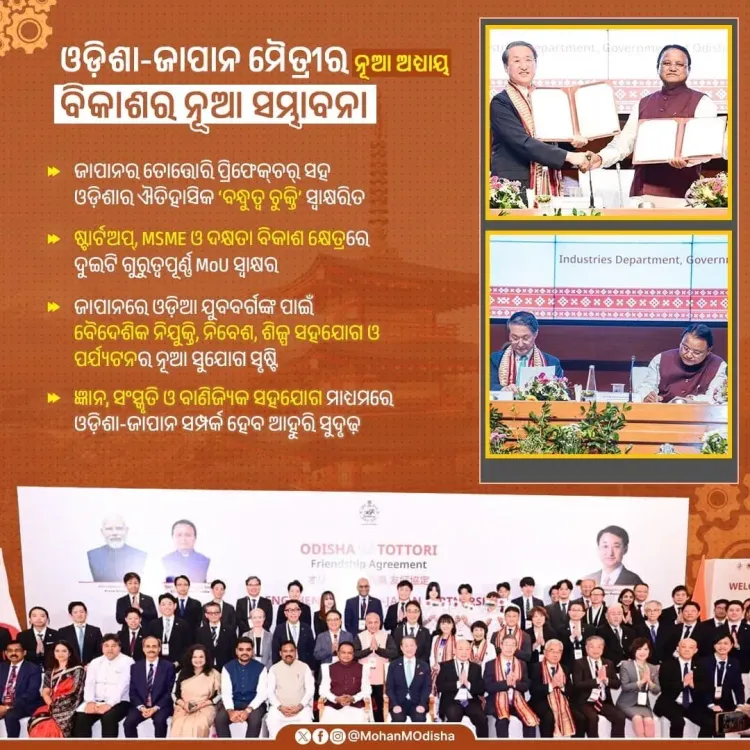
Odisha CM Mohan Charan Majhi signed a Friendship Agreement with Japan's Tottori Prefecture on 12 November 2026 .
Two MoUs were also signed, covering industry, startups, skill development and tourism.
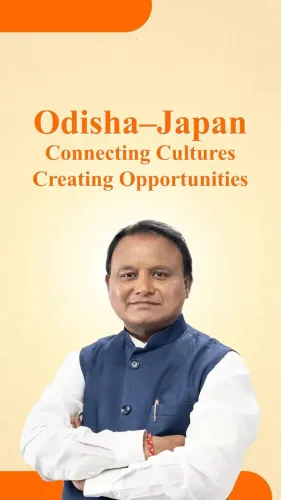
The pact is explicitly aimed at generating international employment and investment opportunities for Odisha's youth.
The agreement aligns with India's Act East Policy (upgraded 2014 ), which encourages Indian states to build direct ties with Japan and ASEAN nations.
Odisha joins a growing list of Indian states pursuing prefecture-level Japanese partnerships to attract FDI and technology.
Specific project timelines under the MoUs and follow-up business delegations are the key milestones to watch.
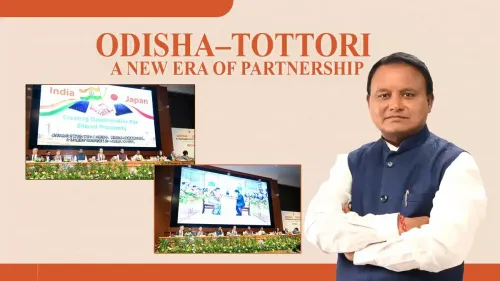
A new diplomatic chapter opened for eastern India on Thursday, 12 November 2026, as Odisha Chief Minister Mohan Charan Majhi announced a historic Friendship Agreement with Japan's Tottori Prefecture, backed by two Memoranda of Understanding targeting industry, startups, skill development, and tourism. The pact marks the most structured bilateral engagement Odisha has forged with any Japanese region to date.
What Odisha and Tottori Actually Signed
The Friendship Agreement formalises ties between the eastern Indian state and Tottori — a rural prefecture in western Japan better known for its sand dunes than its industrial footprint, but increasingly active in regional development and technology-led agriculture. Alongside the friendship pact, two MoUs set out specific cooperation lanes: manufacturing and industrial linkages, startup ecosystems, skill development pipelines, and tourism promotion. CM Majhi framed the moment in both Odia and English on X: 'ଓଡ଼ିଶା-ଜାପାନ ସମ୍ପର୍କରେ ଯୋଡ଼ିହେଲା ନୂଆ ଅଧ୍ୟାୟ' — 'A new chapter in Odisha-Japan relations.'
Sub-National Diplomacy and India's Act East Push
This agreement does not emerge in isolation. India's Act East Policy, upgraded in 2014, explicitly encourages individual states to build direct economic and cultural bridges with Japan and ASEAN nations — bypassing the slower lane of purely central-government diplomacy. Odisha is mineral-rich but has long sought to diversify beyond extractive industries, and direct Japanese investment in skills and startups plugs into that ambition precisely. Tottori's own regional-development focus makes it a credible partner for a state trying to build ground-up economic institutions rather than just chase large industrial anchors.
Across India, states from Andhra Pradesh to Maharashtra have pursued prefecture-level Japanese agreements to attract FDI and transfer manufacturing technology. Odisha's move now places the BJP-governed state firmly in that tier of outward-looking, sub-nationally ambitious partners — and signals that CM Majhi's government is prepared to travel to secure those partnerships rather than wait for them to arrive.
What It Means for Odisha's Youth
CM Majhi was explicit about the target beneficiary: Odisha's youth. The skill development pillar of the MoUs points toward structured training programmes potentially aligned with Japanese quality standards, opening corridors for employment both inside the state and internationally. The startup cooperation angle is newer — Tottori, while not a Silicon Valley equivalent, has invested in rural-tech and agri-tech models that could transfer meaningfully to Odisha's demographic and geographic profile. Tourism cooperation, meanwhile, could leverage Odisha's underexplored temple circuits and coastline to attract Japanese visitors already familiar with India's Buddhist heritage trail.
The watch item now is execution: specific project timelines under the two MoUs, follow-up business delegation calendars, and whether joint working groups materialise before the agreements age into ceremony.
Point of View
The optics serve a dual purpose: demonstrating global ambition on investment while anchoring it to a youth employment narrative that resonates electorally in a state with a young, job-seeking demographic. Tottori is an unconventional Japanese partner — it lacks the industrial scale of Aichi or Kanagawa — but its regional-development and agri-tech focus may actually suit Odisha's structural needs better than a prestige industrial hub would. The real test will be whether the MoUs produce measurable skills pipelines and startup linkages within two to three years, or quietly join the library of well-intentioned state-level pacts that never cleared the ceremony stage.
NationPress
12 Nov 2026
Frequently Asked Questions
What did Odisha sign with Japan's Tottori Prefecture?
Odisha signed a historic Friendship Agreement and two MoUs with Japan's Tottori Prefecture on 12 November 2026, covering cooperation in industry, startups, skill development and tourism.
Who signed the Odisha-Tottori agreement?
Odisha Chief Minister Mohan Charan Majhi announced the signing of the Friendship Agreement and the two MoUs during a bilateral engagement with Tottori Prefecture.
What is Tottori Prefecture in Japan?
Tottori is a rural prefecture in western Japan, known for its sand dunes and a focus on regional development, agriculture and technology — making it an active partner for international cooperation programmes.
How does the Odisha-Japan pact help Odisha's youth?
The agreements aim to open international employment avenues, attract Japanese investment in startups, and create structured skill-development programmes aligned with Japanese industry standards for Odisha's youth.
What is India's Act East Policy and how does it relate to this deal?
India's Act East Policy, upgraded in 2014, encourages Indian states to build direct economic and cultural links with Japan and ASEAN nations. The Odisha-Tottori agreement is a direct application of this policy at the sub-national level.