Odisha SIR drive begins May 30: Door-to-door voter roll verification by 45,255 BLOs
Synopsis
Over 45,000 Booth Level Officers fanned out across Odisha on 30 May to verify every voter on the electoral rolls door-to-door — a sweeping exercise with the final list due 6 September 2026. The CEO's explicit assurance that 'absence of evidence does not mean disqualification' signals a deliberate shift toward inclusion, setting the tone for one of the state's largest pre-election data exercises.
Key Takeaways
The Special Intensive Revision (SIR) of Odisha's electoral rolls began on 30 May 2026 .
45,255 Booth Level Officers (BLOs) are conducting door-to-door verification through 28 June 2026 .
The draft electoral roll will be published on 5 July ; claims and objections accepted until 4 August 2026 .
The final electoral roll is scheduled for publication on 6 September 2026 .
33,000 Booth Level Agents have been appointed and are undergoing training alongside active help desks.
Gopalan clarified that minor discrepancies will not disqualify voters, and absence of documentary evidence is not grounds for deletion.
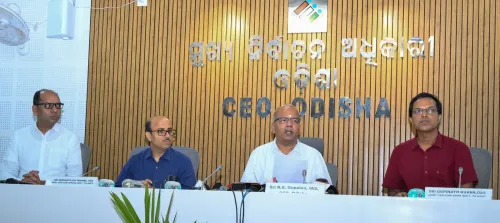
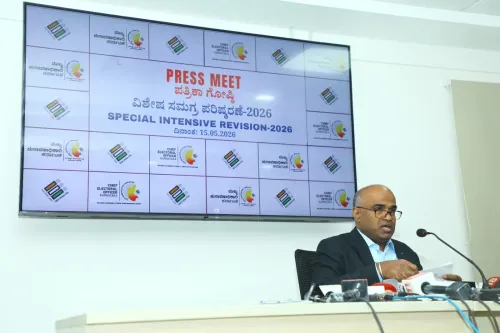
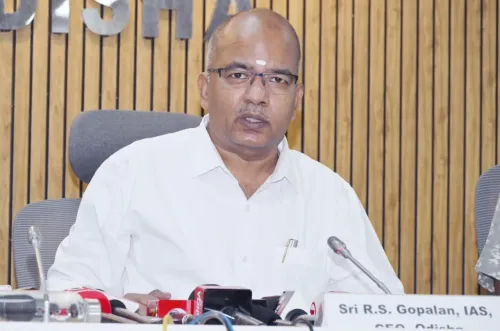
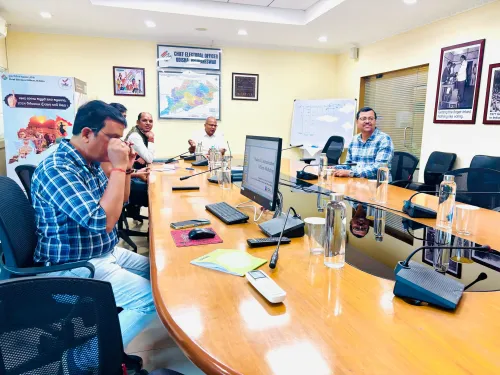
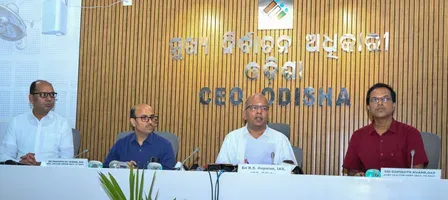
The Special Intensive Revision (SIR) of electoral rolls in Odisha commenced on 30 May 2026, with 45,255 Booth Level Officers (BLOs) fanning out across the state for a door-to-door verification exercise. The drive, overseen by Chief Electoral Officer (CEO) R.S. Gopalan, aims to ensure that no eligible voter is excluded and no ineligible person is enrolled.
Key Dates and Timeline
The house-to-house verification phase runs from 30 May to 28 June 2026. The draft electoral roll is scheduled for publication on 5 July, after which citizens will have until 4 August to file claims and objections. The disposal of claims and the notice period extends through 2 September, with the final electoral roll to be published on 6 September 2026.
What BLOs Will Do on the Ground
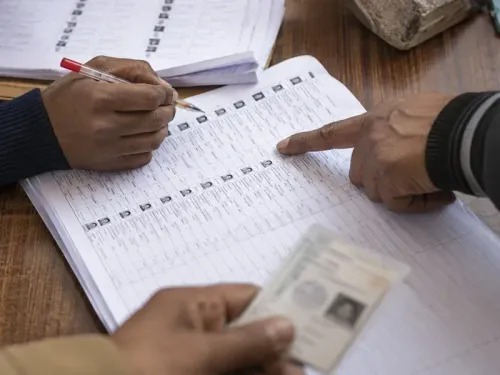
During morning visits, BLOs will distribute enumeration forms capturing each elector's personal details, family particulars, and information linked to the 2002 electoral roll. They are authorised to verify information and correct minor discrepancies on the spot. In addition, BLOs must remain available at their respective polling booths between 3 pm and 5 pm daily, so voters can submit forms directly without waiting for a home visit.
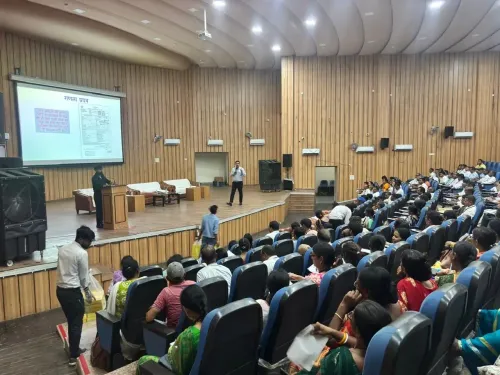
Alongside the BLOs, 33,000 Booth Level Agents have been appointed and are currently undergoing training. Dedicated help desks have also been activated across the state to assist voters with queries and form submission.
Digital Option for Voters
Voters who prefer a digital route can download the enumeration form from the Election Commission of India's official website, fill it out, and upload it online. For localised assistance, residents can contact their BLO directly through the dedicated BLO app. For voters who are away from home during the verification period, family members are authorised to collect and sign the form on their behalf.
Addressing Discrepancy Concerns
CEO Gopalan sought to reassure voters concerned about documentary proof or errors in existing records. 'Actually, most of the logical errors are small, like discrepancy in age, discrepancy in name. These can be sorted out through just one Panchnama in a field inquiry. For serious errors, the voter may be asked to provide supporting evidence. Even if there is no supporting evidence, the Electoral Registration Officer (ERO) can decide. Absence of evidence does not mean that the voter is disqualified,' he said.
This clarification is significant given that similar voter roll revision exercises in other states have drawn criticism over large-scale deletions. The Odisha CEO's remarks signal a calibrated approach that prioritises inclusion over exclusion.
What Comes Next
With the final electoral roll due on 6 September 2026, the SIR will serve as the foundation for future elections in Odisha. The scale of the exercise — covering every polling booth in the state — makes accurate field execution by BLOs the critical variable in determining the roll's integrity.
Point of View
But its political stakes are not. Voter roll revisions have become flashpoints nationally, with opposition parties repeatedly alleging targeted deletions. CEO Gopalan's public clarification — that absence of documentary evidence does not disqualify a voter — is a notable pre-emption of that criticism, and one that will be tested in the claims-and-objections window between July and September. The real measure of this exercise is not the scale of deployment but whether the final roll on 6 September reflects genuine additions and corrections rather than net deletions. With 45,255 BLOs in the field and a digital submission option now available, the infrastructure is in place; execution fidelity is the open question.
NationPress
14 Sept 2026
Frequently Asked Questions
What is the Special Intensive Revision (SIR) of electoral rolls in Odisha?
The Special Intensive Revision (SIR) is a comprehensive door-to-door exercise to update and verify Odisha's voter rolls, launched on 30 May 2026 under the Election Commission of India. Over 45,255 Booth Level Officers are distributing, verifying, and collecting enumeration forms from households across the state.
When will the final electoral roll be published in Odisha?
The final electoral roll is scheduled for publication on 6 September 2026. The draft roll will be released on 5 July, with a claims-and-objections window open until 4 August and a disposal period running through 2 September.
What happens if a voter has discrepancies in their existing voter record?
Minor discrepancies — such as errors in name or age — can be resolved through a single field inquiry called a Panchnama, according to CEO R.S. Gopalan. For serious errors, supporting evidence may be requested, but the Electoral Registration Officer retains discretion; absence of evidence alone does not disqualify a voter.
What if a voter is away from home during the BLO visit?
Family members are authorised to collect the enumeration form on behalf of an absent voter and sign it for them. Voters can also submit forms directly at their polling booth between 3 pm and 5 pm daily, or upload the filled form online via the Election Commission's website.
How can Odisha voters participate in the SIR digitally?
Voters can download the enumeration form from the Election Commission of India's official website, fill it out, and upload it online. For localised help, residents can contact their BLO through the dedicated BLO app or visit activated help desks across the state.