Oil Prices Soar Beyond $100 Amid Iran Crisis Impacting Markets
Synopsis
Oil prices have surged beyond $100 per barrel due to the Iran conflict disrupting energy flows through the Strait of Hormuz, creating significant volatility in global markets. Discover how this situation is affecting economies and energy forecasts.
Key Takeaways
Oil prices have surged past $100 per barrel due to the conflict in Iran.
The Strait of Hormuz is a vital energy route that is currently disrupted.
Financial markets have reacted sharply, with significant drops in Asian stock markets.
Experts predict that crude oil prices could rise to $143 per barrel by year-end.
Historical oil shocks have previously caused global economic crises.
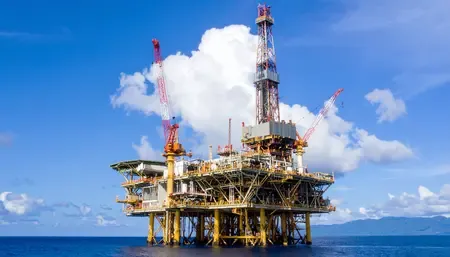
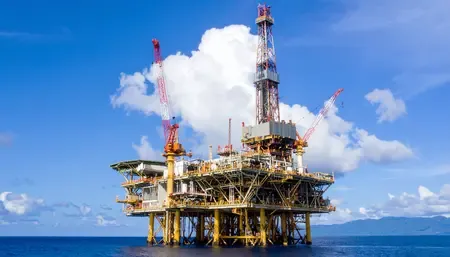
Washington, March 9 (NationPress) Oil prices have skyrocketed past $100 per barrel as the ongoing Iran conflict has severely impacted energy transportation through the Strait of Hormuz, causing turmoil in global markets.
U.S. President Donald Trump defended the price surge, stating that the elevated oil rates are a temporary expense associated with addressing Iran's nuclear ambitions.
“The immediate rise in oil prices, which will decrease quickly once the threat from Iran's nuclear program is neutralized, is a minor price to pay for the safety and peace of the U.S. and the world,” Trump expressed on Truth Social.
“ONLY FOOLS WOULD THINK DIFFERENTLY!”
Crude oil prices approached $110 per barrel after key Middle Eastern producers curtailed output while the Strait of Hormuz remained practically blocked due to the conflict, as reported by CNBC on Sunday.
West Texas Intermediate crude rose by approximately 20.75%, gaining $18.83 to reach $109.75 per barrel. Meanwhile, Brent crude increased by over 18%, nearing $109.48 per barrel, according to the source.
This surge represents one of the most significant weekly increases in oil futures trading since the early 1980s.
The rally mirrors concerns that the Strait of Hormuz could continue to be disrupted. This narrow passageway is among the globe's most vital oil channels, with a substantial portion of worldwide oil and liquefied natural gas shipments traversing it.
The Wall Street Journal noted that tanker traffic through the Strait has significantly slowed as vessels are avoiding the area due to threats and assaults linked to the conflict.
Gulf producers have started reducing output, leading to filled storage tanks. With export routes obstructed, some producers are either halting production or decreasing their output.
Financial markets reacted swiftly.
Asian stocks plummeted when trading commenced, with Japan's benchmark index dropping by about 5% and South Korea’s market declining by over 7%, as reported by The New York Times. Both economies are heavily reliant on imported oil and gas.
Experts caution that prices could escalate further if the conflict persists. Market predictions from financial analysts suggest that crude could rise to $143 per barrel by year's end.
Energy historian Daniel Yergin informed the Wall Street Journal that the current situation could result in “the largest disruption in world history regarding daily oil production.”
The conflict is also obstructing global trade routes. The Washington Post reported that missile and drone strikes in the region have hindered commercial shipping and damaged trading pathways between Asia, Europe, and the Middle East.
Economists suggest that Asia and Europe may face greater economic challenges than the United States, as both regions significantly depend on imported energy traversing the Persian Gulf.
The United States may have some insulation due to its substantial domestic oil production and increasing energy exports. Nevertheless, higher global oil prices can impact American consumers, as rising fuel costs typically lead to increased transportation and food prices.
Historically, oil shocks in the Persian Gulf have instigated major economic crises, with the 1973 Arab oil embargo and the 1979 Iranian revolution both causing significant price spikes and global recessions.
Point of View
The escalation of oil prices due to geopolitical conflicts raises significant concerns for economic stability. While the U.S. may experience some buffer from domestic production, the ripple effects on global markets necessitate careful monitoring.
NationPress
24 Sept 2026
Frequently Asked Questions
What caused the recent spike in oil prices?
The spike in oil prices is primarily due to the ongoing conflict involving Iran, which has disrupted energy flows through the Strait of Hormuz.
How much have oil prices increased recently?
Oil prices have surged past $100 per barrel, with West Texas Intermediate crude rising by approximately 20.75%.
What is the Strait of Hormuz's significance?
The Strait of Hormuz is a critical waterway through which a substantial portion of the world's oil and liquefied natural gas shipments pass.
How might this conflict impact global economies?
The conflict could lead to increased oil prices, affecting transportation costs, food prices, and overall economic stability, particularly in regions reliant on imported energy.
What are the historical implications of oil shocks?
Historically, oil shocks, such as the 1973 Arab oil embargo and the 1979 Iranian revolution, have led to significant price spikes and global recessions.