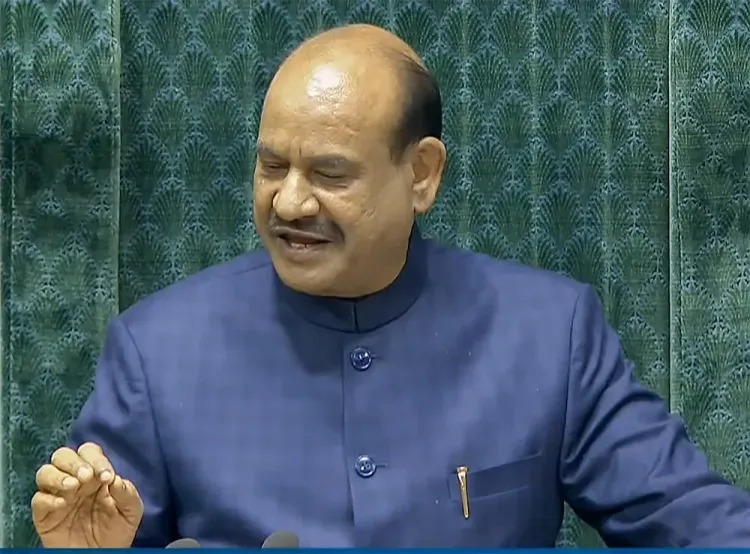
Why is Speaker Om Birla Staying Away from Lok Sabha?
Synopsis
In a surprising move, Lok Sabha Speaker Om Birla has chosen to abstain from House proceedings until the no-confidence motion against him is resolved. This decision highlights the ongoing tensions between the ruling party and the opposition, as the latter accuses Birla of biased behavior. Will this political drama impact the upcoming Budget Session?
Key Takeaways
Om Birla has opted out of Lok Sabha sessions until the no-confidence motion is resolved.
The no-confidence motion is set for discussion on March 9 .
A minimum of 50 MPs must support the motion for it to be considered.
The Opposition claims biased conduct from the Speaker.
Numerical strength makes the motion's success unlikely.
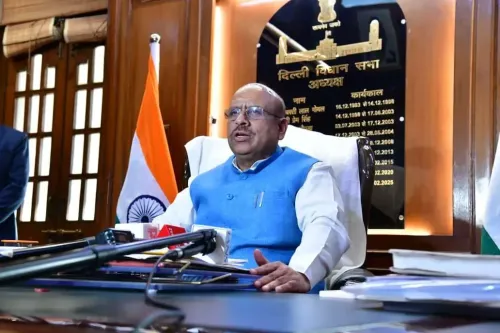
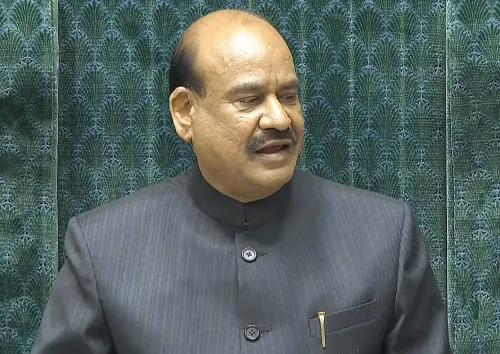
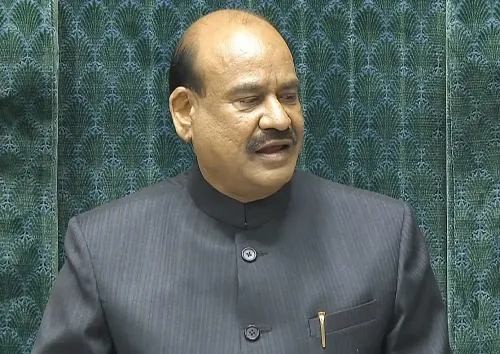
New Delhi, Feb 10 (NationPress) Om Birla, the Speaker of the Lok Sabha, has opted to refrain from attending the House's sessions until the no-confidence motion is resolved, according to sources close to him on Tuesday.
Although the Rules of Procedure do not necessitate this action, Birla has chosen to stay away voluntarily, sources indicated, asserting that he will not enter the House despite any persuasion from the government or the Opposition.
Sources suggest that the motion to potentially remove the Speaker may be addressed on March 9, the inaugural day of the second segment of the Budget Session.
In accordance with parliamentary protocol, a minimum of 50 members must support the notice for it to be accepted, after which the Chair may permit a discussion.
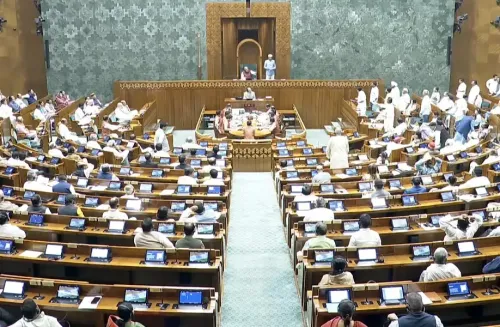
The no-confidence motion against Birla is anticipated to be deliberated at the commencement of the second portion of the Budget Session.
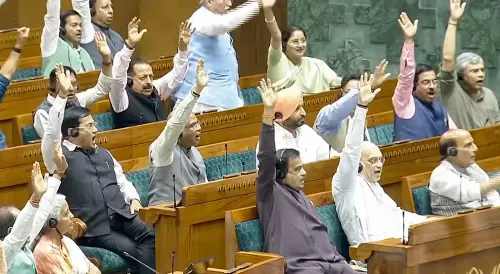
On Tuesday, 118 MPs from various Opposition parties submitted a notice advocating for the Speaker's removal, accusing him of biased behavior in the House's proceedings.
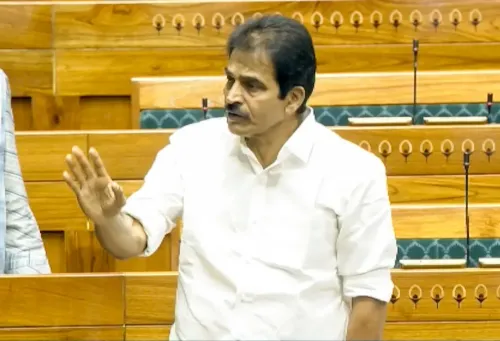
This notice was filed by a Congress MP, who claimed that Birla repeatedly denied Opposition leaders, including Leader of the Opposition Rahul Gandhi, the chance to speak during the debate on the Motion of Thanks to the President’s Address. The notice also referenced the suspension of eight Opposition MPs.
In the notice, the Opposition charged that the Speaker handled proceedings in a “blatantly partisan manner” and failed to safeguard the democratic rights of Opposition members.
However, the motion is unlikely to achieve numerical success. To carry a resolution seeking the Speaker’s removal, the Opposition would need the backing of more than half of the Lok Sabha's total strength, which stands at 543.
The Bharatiya Janata Party, the largest party, has 240 MPs, while its National Democratic Alliance (NDA) allies—including the Telugu Desam Party (16 MPs) and the Janata Dal (United) (12 MPs)—provide the ruling coalition with a strong majority, reinforced by additional support from various regional parties.
In contrast, the Congress leads the Opposition with 99 MPs, followed by the Samajwadi Party (37) and the DMK (22), leaving the Opposition significantly short of the necessary numbers to oust the Speaker.
The Trinamool Congress has not endorsed the motion but has proposed alternative means of protest. Party MP Abhishek Banerjee, speaking to reporters in Delhi on Tuesday, stated that the party prefers to first submit a protest letter to the Speaker and await his response before pursuing a no-confidence motion.
Given the current numbers, the motion is generally perceived as a political statement by the Opposition rather than a serious endeavor to unseat the Speaker.
While attempts to remove the Speaker have occurred previously, none have succeeded.
Point of View
The ongoing situation surrounding Speaker Om Birla reflects the complex dynamics within the Lok Sabha. While the Opposition's allegations of bias warrant scrutiny, the numerical reality suggests that the motion may not succeed. It is essential for all parties to engage constructively to maintain parliamentary integrity and uphold democratic values.
NationPress
29 Sept 2026
Frequently Asked Questions
What led to the no-confidence motion against Om Birla?
The no-confidence motion was initiated due to allegations from the Opposition that Speaker Om Birla conducted proceedings in a biased manner, denying them opportunities to speak.
When will the no-confidence motion be discussed?
The no-confidence motion against Om Birla is expected to be discussed on March 9, the first day of the second part of the Budget Session.
What are the requirements for a no-confidence motion to succeed?
For the no-confidence motion to succeed, the Opposition must secure support from more than half of the Lok Sabha's total strength, which is 543 members.
How many MPs are needed to support the motion for it to be admitted?
A minimum of 50 members are required to support the notice for the no-confidence motion to be admitted.
Is the no-confidence motion likely to succeed?
Given the current composition of the Lok Sabha, the no-confidence motion is unlikely to succeed due to the ruling coalition's significant majority.