Omar Abdullah Meets Civil Aviation Minister Over Srinagar Airport Closure

Synopsis
J&K Chief Minister Omar Abdullah met Civil Aviation Minister Ram Mohan Naidu on June 12, 2026, to address the proposed October closure of Srinagar Airport. Following an earlier meeting with Defence Minister Rajnath Singh, Abdullah is working on alternatives to preserve a basic flight schedule, citing precedents from similar closures in 1998 and 2010.
Key Takeaways
Omar Abdullah held back-to-back meetings with Defence Minister Rajnath Singh and Civil Aviation Minister Ram Mohan Naidu on June 12, 2026 .
The meetings centred on the proposed temporary closure of Srinagar Airport in October 2026 .
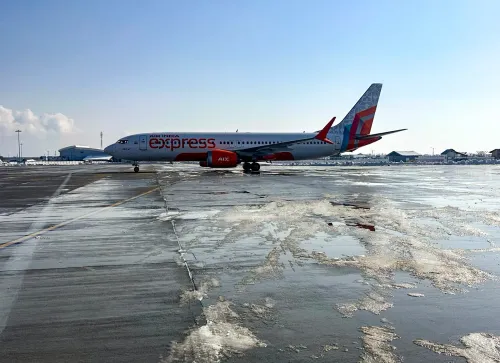
The J&K government is exploring alternatives to maintain a basic flight schedule during the shutdown.
Srinagar Airport was similarly closed in 1998 and 2010 , with limited flight operations maintained on both occasions.
The airport's dual civilian-military use requires coordination across multiple central ministries for any operational change.
The October closure, if confirmed, coincides with the tail end of Kashmir's peak tourist season.
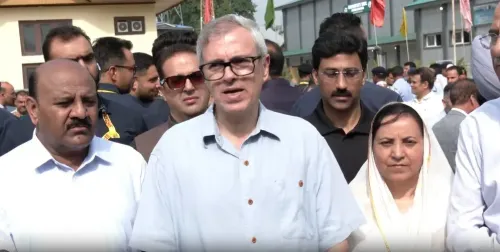
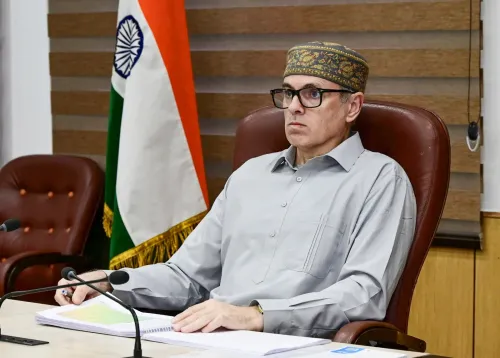
Jammu and Kashmir Chief Minister Omar Abdullah met Union Civil Aviation Minister Ram Mohan Naidu on Friday, June 12, 2026, to discuss the proposed temporary closure of Srinagar Airport in October, seeking ways to maintain a basic flight schedule for the Kashmir Valley during the shutdown period.
The meeting followed an earlier discussion Abdullah had with Defence Minister Rajnath Singh on the same issue, signalling a coordinated push by the Jammu and Kashmir government to engage central authorities at the highest level before any disruption takes effect.
Context
In his post on X, Abdullah stated: 'We are working on possible alternatives to minimise the disruption and maintain a basic flight schedule as was done in the past when the airport closed for similar reasons in 1998 and 2010.' The reference to historical precedents underscores that such closures, while disruptive, are not without established management frameworks.
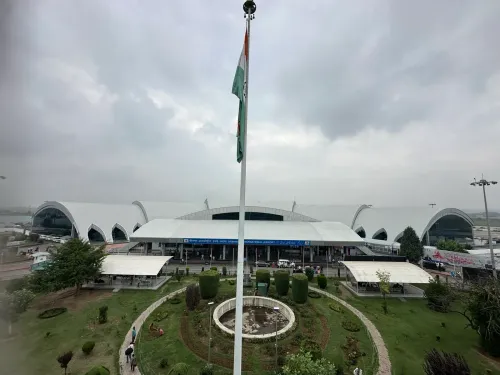
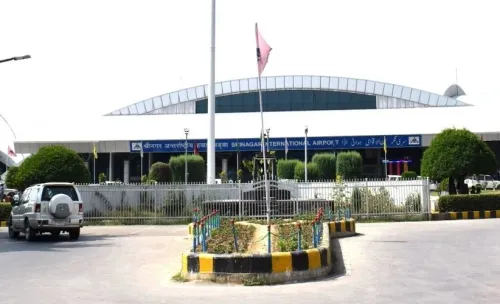
Srinagar Airport is the primary civilian air gateway to the Kashmir Valley and operates on infrastructure that serves both commercial and defence purposes. Its dual-use character makes any closure a matter requiring coordination between civil aviation authorities and the defence establishment.
Policy Backdrop
The airport's previous closures in 1998 and 2010 were managed through arrangements that kept a limited number of flights operational, preventing a complete blackout of air connectivity for the region. These episodes established a working template that the current administration appears to be drawing on as it negotiates alternatives with New Delhi.
Central ministries routinely coordinate on airport maintenance works in security-sensitive border regions where runway upgrades or safety-compliance requirements necessitate temporary shutdowns. Jammu and Kashmir's strategic location and the airport's exposure to extreme weather and terrain challenges make such periodic interventions a recurring feature of its civil infrastructure management.
Stakeholders and Impact
October falls within the tail end of the peak tourist season in Kashmir, making uninterrupted air connectivity particularly significant for the hospitality and travel sectors. A complete closure without alternatives would affect air passengers, the tourism industry, and local businesses that depend on reliable freight and passenger movement.
The involvement of both the Defence Ministry and the Civil Aviation Ministry reflects the layered governance of Srinagar Airport, where any operational change requires sign-off from multiple central departments alongside the Union Territory administration. Abdullah's back-to-back ministerial meetings suggest the J&K government is pressing for a concrete plan well ahead of the closure date.
What's Next
The immediate focus will be on an official notification specifying the exact dates and duration of the proposed October closure, along with any published plan for alternative flight arrangements or diversions to other regional airports. The outcome of these ministerial consultations will determine whether passengers face a complete suspension of services or a reduced but functional schedule.
How smoothly the government manages this closure — and how transparently it communicates alternatives to travellers — will serve as an early test of Omar Abdullah's administration's ability to navigate complex federal coordination on critical infrastructure in Jammu and Kashmir.
Point of View
Not merely an administrative footnote. By publicly anchoring his appeal in the 1998 and 2010 precedents, Abdullah is framing the ask as a continuation of established federal practice rather than a special concession — a strategically neutral posture that makes it harder for New Delhi to decline. The episode also illustrates the structural dependency of the Union Territory on central ministries for decisions that would, in a full state, sit partly within the elected government's own domain. How the Centre responds will be watched as a signal of the working relationship between the Abdullah administration and New Delhi on infrastructure governance.
NationPress
26 Oct 2026
Frequently Asked Questions
Why is Srinagar Airport closing in October 2026?
The exact technical reasons for the proposed October 2026 closure have not been officially announced. J&K Chief Minister Omar Abdullah has indicated it is for reasons similar to past closures in 1998 and 2010, which were maintenance-related, and is working with central ministers to minimise disruption.
Will flights operate during the Srinagar Airport closure?
J&K Chief Minister Omar Abdullah has stated that he is working on alternatives to maintain a basic flight schedule during the closure, drawing on arrangements used in previous shutdowns in 1998 and 2010. No formal alternative plan has been published yet.
Which ministers did Omar Abdullah meet about the Srinagar Airport closure?
Omar Abdullah met Defence Minister Rajnath Singh and Civil Aviation Minister Ram Mohan Naidu on June 12, 2026, to discuss the proposed October closure of Srinagar Airport and possible alternatives.
Has Srinagar Airport been closed before?
Yes. Srinagar Airport was closed for similar reasons in 1998 and 2010. On both occasions, a basic flight schedule was maintained through coordination between civil and defence authorities.
How will the Srinagar Airport closure affect tourists?
October falls at the end of Kashmir's peak tourist season, so a closure without alternatives could significantly disrupt travel plans. The J&K government is actively seeking to preserve some level of air connectivity to limit the impact on tourists and local businesses.