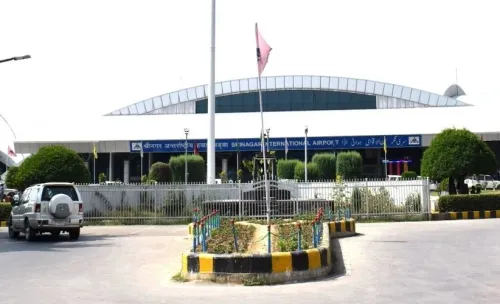
Omar Abdullah seeks shorter Srinagar airport closure in October

Synopsis
With Srinagar airport already going dark on Mondays and Tuesdays from July, a full 16-day shutdown in October threatens Kashmir's peak autumn tourism season. Chief Minister Omar Abdullah has personally lobbied the Civil Aviation Minister to shorten or reschedule the maintenance window — and floated Awantipora Air Base as a backup runway, a proposal that would be unprecedented for civilian use.
Key Takeaways
Omar Abdullah met Civil Aviation Minister Kinjarapu Ram Mohan Naidu in New Delhi on 12 June to flag the issue.
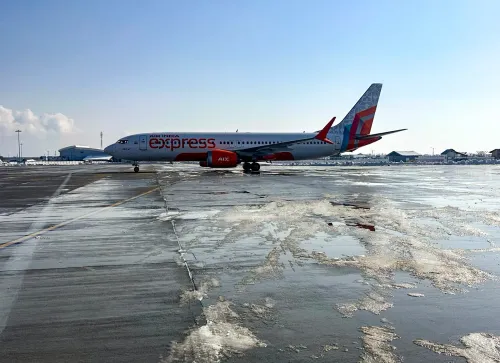
Srinagar International Airport is scheduled to close fully from 1 to 16 October for runway maintenance.
From 1 July , the airport will also have no flight operations on Mondays and Tuesdays .
Abdullah proposed operating limited civilian flights from Awantipora Air Base as a contingency during the October closure.
Air travel is the primary mode for high-spending tourists to Kashmir, making connectivity critical to the local economy.
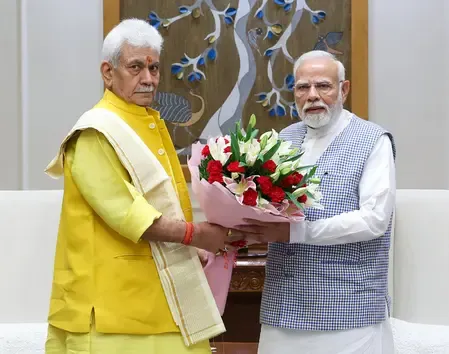
Jammu and Kashmir Chief Minister Omar Abdullah met Union Civil Aviation Minister Kinjarapu Ram Mohan Naidu in New Delhi on Friday, 12 June, urging a review of the planned shutdown of Srinagar International Airport scheduled from 1 to 16 October for runway maintenance. Abdullah stressed that the closure coincides with Kashmir's peak tourism window and called for the schedule to be shortened, phased, or shifted to a leaner travel period.
What the Chief Minister Proposed
According to a post on X from the Chief Minister's office, Abdullah raised concerns about uninterrupted air connectivity to the Valley during the high-footfall autumn season. He urged that the maintenance window be reviewed and, where feasible, restructured to minimise disruption.
Abdullah also proposed operating a limited number of civilian flights from Awantipora Air Base during the closure period as a contingency measure to ensure continued connectivity for residents, tourists, and businesses.
Existing Disruptions Already in Place
The proposed October shutdown is not an isolated development. Airport authorities have already announced that effective 1 July, there will be no flight operations at Srinagar International Airport on Mondays and Tuesdays — a weekly curtailment that has already drawn attention from the tourism sector.
The additional fortnight-long closure from 1 to 16 October for runway maintenance would compound the disruption during what is typically one of Kashmir's busiest travel months.
Why Srinagar Airport Matters to Kashmir's Economy
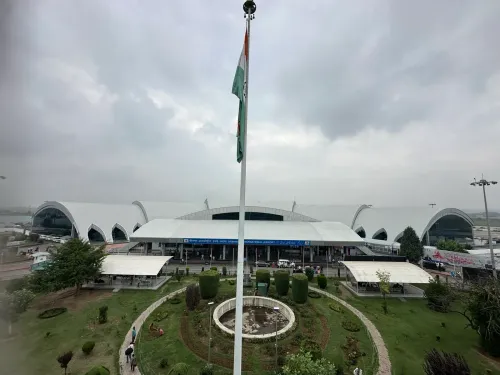
Srinagar International Airport is the primary air gateway to the Kashmir Valley, located in Budgam district, approximately 12 km south of Srinagar city. Owned by the Indian Air Force and operated under a civil enclave by the Airports Authority of India (AAI), the facility has been functional since 1979 and was designated an international airport in 2005. It has a single asphalt runway serving both domestic and international routes.
A significant proportion of tourists visiting Kashmir — particularly high-spending visitors who travel across all four seasons — rely exclusively on air travel. The absence of flight services, even briefly, is widely considered to have an outsized adverse impact on the local hospitality, hotel, and transport ecosystem.
Broader Context and What Comes Next
The meeting signals growing concern within the Jammu and Kashmir government over the cumulative effect of aviation disruptions on the region's tourism-dependent economy. This comes amid a broader push by the UT administration to position Kashmir as a year-round travel destination.
It remains to be seen whether the Civil Aviation Ministry will revise the maintenance schedule or greenlight the Awantipora Air Base alternative. A formal response from the ministry is awaited.
Point of View
Leaving civilian aviation scheduling subject to defence priorities. The stacking of weekly closures from July onto a full fortnight shutdown in October is not just an inconvenience — it is a potential revenue shock for a Valley that has only recently rebuilt tourist confidence. Abdullah's Awantipora proposal is politically bold but operationally complex; civilian use of an active air force base requires clearances that go well beyond the Civil Aviation Ministry. The Centre's response will signal how seriously it weighs Kashmir's economic integration against routine defence logistics.
NationPress
29 Jul 2026
Frequently Asked Questions
Why is Srinagar airport closing in October 2025?
Srinagar International Airport is scheduled to remain closed from 1 to 16 October for runway maintenance. The airport authorities announced the shutdown to carry out planned upkeep of the single asphalt runway.
What did Omar Abdullah request from the Civil Aviation Minister?
Chief Minister Omar Abdullah urged Civil Aviation Minister Kinjarapu Ram Mohan Naidu to review and, if feasible, shorten, phase, or shift the October closure to a period with lower travel demand. He also proposed running limited civilian flights from Awantipora Air Base during the shutdown.
How will the Srinagar airport closure affect Kashmir tourism?
October falls within Kashmir's peak autumn tourism season, when a large share of visitors — particularly high-spending travellers — rely on air connectivity. A 16-day full closure, on top of existing Monday-Tuesday shutdowns from July, risks significant revenue loss for the local hospitality and transport sectors.
What are the existing flight restrictions at Srinagar airport?
From 1 July, there will be no flight operations at Srinagar International Airport on Mondays and Tuesdays. The additional October 1-16 closure compounds these disruptions during a high-demand travel window.
Who owns and operates Srinagar International Airport?
The airport is owned by the Indian Air Force. The Airports Authority of India (AAI) operates a civil enclave at the facility, which has been in service since 1979 and was designated an international airport in 2005.