J&K statehood resolution moved by Omar Abdullah in Assembly, Centre urged to act
Synopsis
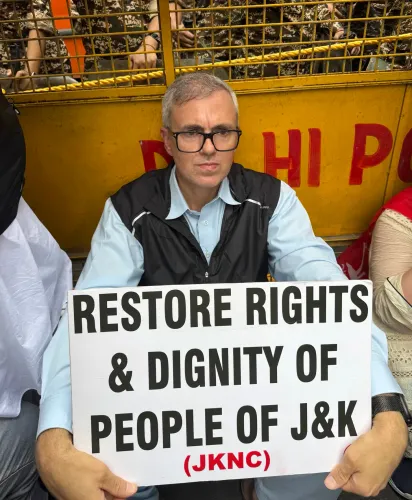
J&K Chief Minister Omar Abdullah has formally moved a statehood resolution in the Legislative Assembly, invoking two earlier resolutions and reminding the Centre of its sequenced promise — delimitation, elections, then statehood. With both prior steps completed, the elected government is now using the legislature itself to press its strongest demand yet.
Key Takeaways
J&K CM Omar Abdullah moved a statehood resolution in the Legislative Assembly on 25 September 2026 .
The resolution calls on the Government of India for 'immediate and urgent restoration' of full statehood to Jammu and Kashmir.
It builds on earlier Assembly resolutions passed on 26 June 2000 and 6 November 2024 .
BJP members protested in the House as the resolution was moved.
Abdullah argued the Centre had committed to restoring statehood after delimitation and elections — both of which have been completed.
The Assembly's sixth session runs from 21 to 30 September ; the resolution will be forwarded to the Union government.
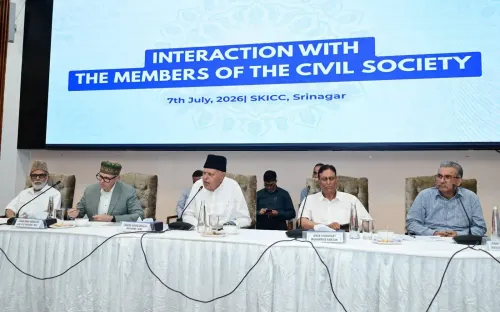
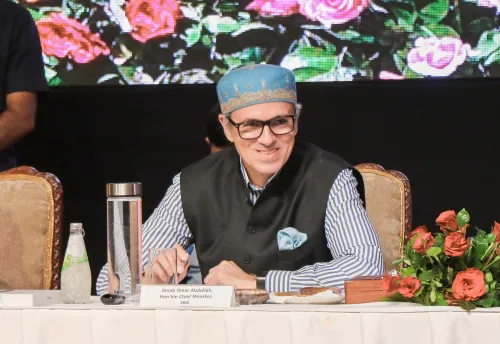
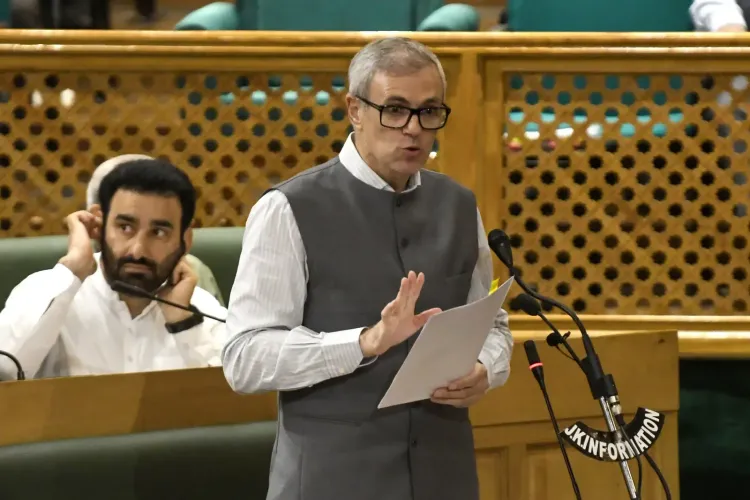
Jammu and Kashmir Chief Minister Omar Abdullah on Friday, 25 September 2026, moved a formal resolution in the J&K Legislative Assembly calling upon the Government of India for the 'immediate and urgent restoration' of full statehood to Jammu and Kashmir. The resolution, introduced after Question Hour, represents the strongest legislative push yet by the elected government on an issue that has defined its agenda since taking office.
What the Resolution Says
The resolution explicitly calls on the Centre to restore full statehood to Jammu and Kashmir and directs that the text be formally forwarded to the Union government. Crucially, its wording seeks not a partial or symbolic restoration but a complete return of statehood — including the transfer of responsibility for law and order back to the elected government.
The resolution also references two earlier Assembly resolutions — one passed on 26 June 2000 and another on 6 November 2024 — building on a legislative record of demands. The November 2024 resolution, passed during the Assembly's first session after the elections, had sought restoration of Jammu and Kashmir's special status and constitutional guarantees. The current resolution focuses separately and specifically on statehood.
Abdullah's Case: Promises Made, Partially Kept
While moving the resolution, Chief Minister Abdullah cited a sequence of commitments made to the people of Jammu and Kashmir: delimitation would come first, followed by Assembly elections, and then restoration of statehood. He noted that delimitation and elections have both taken place, but statehood remains pending. 'It is meant to remind the Centre of its commitment to restoring full statehood to J&K,' Abdullah said, underscoring that the demand includes the restoration of law-and-order powers to the elected administration.
Protests and Political Tensions in the House
The session witnessed noisy scenes and protests by Bharatiya Janata Party (BJP) members as the resolution was moved. The BJP, which opposes restoration of special constitutional provisions for J&K, has been vocal in its objections. The disruption reflects the deep political divide within the Assembly on the question of J&K's constitutional future.
Background: A Demand Since Day One
Restoration of statehood has been a central demand of the Omar Abdullah-led government since it was sworn into office in October 2024. The UT Cabinet adopted a resolution on the issue shortly after formation of the elected government. Abdullah has repeatedly stated publicly that J&K received assurances — including from senior Union government figures — that statehood would follow elections. The present legislative resolution formalises that demand through the elected House, adding constitutional weight to what had until now been executive-level requests.
The Assembly's sixth session commenced on 21 September and is scheduled to conclude on 30 September. All eyes will now be on the Centre's response — and the timeline it is willing to commit to.
Point of View
Not executive — it forces the Centre to respond to the elected House, not just a Chief Minister's press conference. Abdullah's framing is deliberately sequential: he is holding the Union government to its own stated roadmap of delimitation, elections, then statehood. The BJP's in-House protests signal that the party intends to contest the framing, but they cannot easily contest the sequence of events. The harder question — what happens if the Centre continues to defer — is one the resolution cannot answer, but it raises the political cost of that deferral considerably.
NationPress
25 Sept 2026
Frequently Asked Questions
What is the J&K statehood resolution moved by Omar Abdullah?
It is a formal resolution passed by the Jammu and Kashmir Legislative Assembly on 25 September 2026, calling on the Government of India for the 'immediate and urgent restoration' of full statehood to J&K. The resolution will be forwarded to the Union government and builds on two earlier Assembly resolutions from 2000 and 2024.
Why is the restoration of J&K statehood still pending?
Jammu and Kashmir was downgraded from a state to a Union Territory in August 2019 when its special constitutional status was revoked. The Centre had indicated that statehood would be restored after delimitation and Assembly elections — both of which have since been completed — but has not announced a timeline for restoration.
What did Omar Abdullah say while moving the resolution?
Abdullah said the resolution is meant to remind the Centre of its commitment to restoring full statehood to J&K, including the transfer of law-and-order responsibility to the elected government. He cited the sequence of promises — delimitation, elections, then statehood — and noted that only statehood remained pending.
Why did BJP members protest in the J&K Assembly?
BJP members raised objections and created noisy scenes as the resolution was moved. The party has historically opposed restoration of special constitutional provisions for J&K, and its protests reflect the political divide within the Assembly on the issue.
What is the significance of this being a legislative resolution rather than a Cabinet demand?
A Legislative Assembly resolution formally places the demand before the Union government through the elected legislature, carrying greater constitutional and political weight than an executive Cabinet resolution. It also creates a formal record of the Assembly's position, making it harder for the Centre to indefinitely defer a response.