Assam's Operation Falcon foils 9 rhino poaching bids, nets 48 arrests: CM Sarma
Synopsis
Assam's Operation Falcon has done what conservationists long demanded: stop poaching attempts before they happen. With nine bids thwarted and 48 arrests secured, Chief Minister Himanta Biswa Sarma is pointing to a proactive enforcement model — backed by Project Rhino — as the state's answer to organised wildlife crime targeting the iconic greater one-horned rhinoceros.
Key Takeaways
Operation Falcon has foiled nine rhino poaching attempts in Assam, leading to 48 arrests .
Chief Minister Himanta Biswa Sarma announced the results on 29 October 2026 via a post on X.
The state's broader Project Rhino initiative is entering its next phase of conservation and habitat protection.
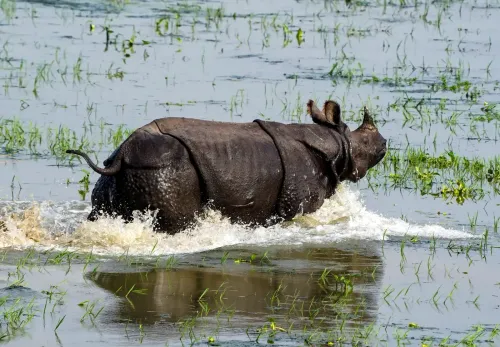
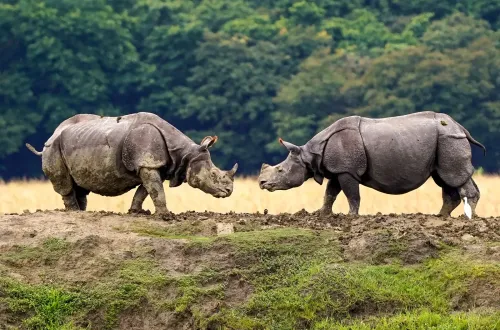
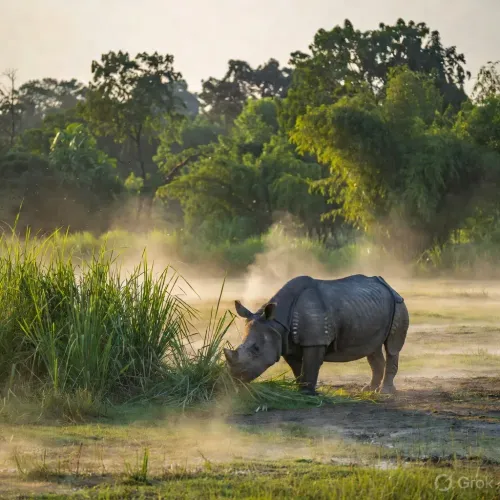
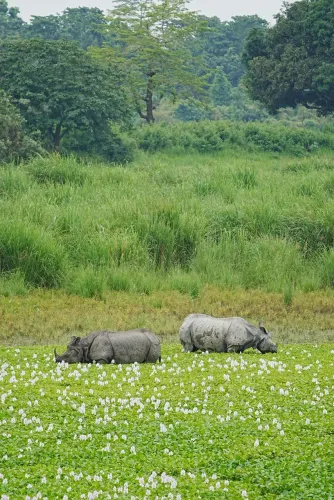
Kaziranga National Park remains one of the world's most critical habitats for the endangered greater one-horned rhinoceros .
The arrests signal a shift toward proactive disruption of poaching networks rather than reactive post-incident enforcement.
Assam Chief Minister Himanta Biswa Sarma on Thursday, 29 October 2026, announced that the state's Operation Falcon has successfully foiled nine rhinoceros poaching attempts and led to the arrest of 48 individuals, marking a significant milestone in the fight to protect the endangered greater one-horned rhinoceros. The disclosure underlines the Assam government's intensified push under its broader wildlife shield, Project Rhino.
What Operation Falcon Achieved
Sharing the update on social media platform X, Chief Minister Sarma confirmed that Operation Falcon had thwarted nine separate poaching attempts, resulting in 48 arrests across the state. 'Zero rhino poaching. Now that's a plot worth protecting,' Sarma wrote, framing the operation as a decisive intervention against organised wildlife crime.
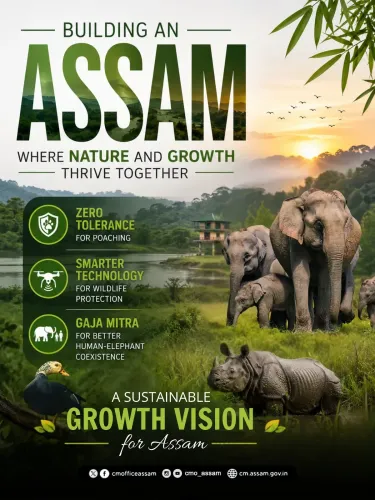
The Chief Minister also signalled that the next phase of conservation was already underway through Project Rhino, the state's overarching initiative to reinforce habitat protection and anti-poaching measures.
Why Assam's Rhinos Face a Persistent Threat
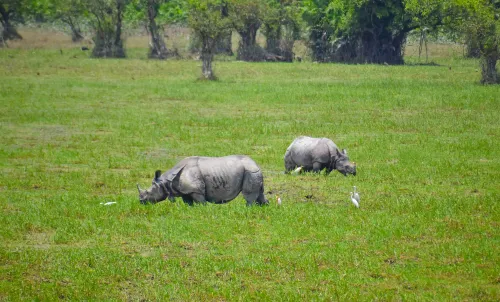
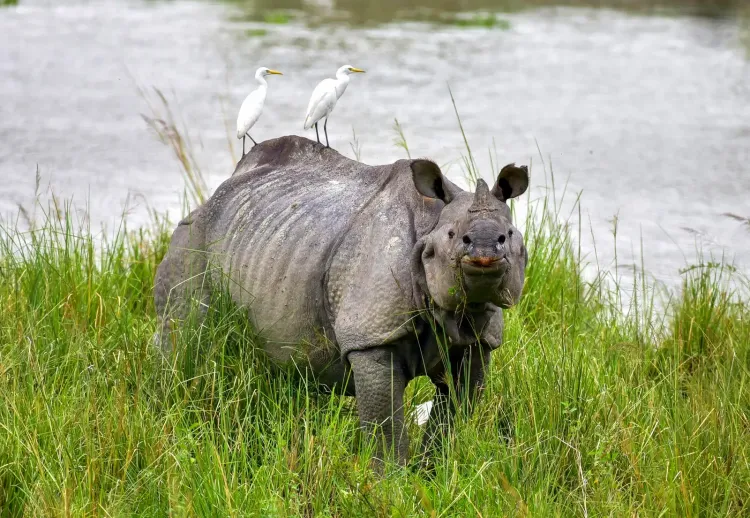
Assam is globally recognised as one of the most critical habitats for the greater one-horned rhinoceros, with Kaziranga National Park serving as its most iconic sanctuary. Despite this status, the species remains acutely vulnerable — its horn commands a premium in illegal international markets, attracting organised criminal networks that span across borders.
Rhino poaching has long been a major conservation challenge in the region. Experts note that breaking these networks requires sustained intelligence gathering, round-the-clock surveillance, coordinated forest-department patrolling, and close cooperation with law enforcement agencies — all elements the state says Operation Falcon has incorporated.
The Broader Conservation Push
Through Project Rhino, the Assam government is reinforcing its commitment to protecting the state's rich biodiversity. The initiative comes amid continuing national and international scrutiny of India's wildlife conservation record, particularly for species listed as vulnerable under global norms.
Notably, Assam's zero-poaching ambition is not merely symbolic: it carries significant ecological weight. The greater one-horned rhinoceros was once on the brink of extinction, and the population in Kaziranga has recovered substantially over decades — a recovery that conservationists warn could be reversed if enforcement lapses.
What the Arrests Signal
The 48 arrests linked to Operation Falcon suggest authorities have moved beyond reactive enforcement toward proactive disruption of poaching networks. Foiling attempts before they succeed — rather than responding to poaching incidents after the fact — is considered a more effective long-term strategy by wildlife protection experts.
With Project Rhino entering what Sarma described as its 'next chapter,' the Assam government appears committed to sustaining this momentum and consolidating the state's reputation as a benchmark for rhino conservation in South Asia.
Point of View
But the real test is whether the 48 arrests translate into prosecutions that dismantle the supply chains behind rhino horn trafficking — not just the foot soldiers. Assam has announced similar enforcement drives before; what has historically been missing is sustained conviction rates and intelligence-sharing with border agencies to choke the international trade routes. Project Rhino's 'next chapter' framing also raises a legitimate question: what measurable targets define success, and who independently verifies them? Zero-poaching ambitions are only as credible as the monitoring systems behind them.
NationPress
29 Oct 2026
Frequently Asked Questions
What is Operation Falcon in Assam?
Operation Falcon is an Assam government anti-poaching initiative aimed at protecting the endangered greater one-horned rhinoceros. As of 29 October 2026, it has foiled nine poaching attempts and resulted in 48 arrests.
Who announced Operation Falcon's success and when?
Chief Minister Himanta Biswa Sarma announced the results on 29 October 2026 through a post on social media platform X. He described the operation as a major step in achieving zero rhino poaching in Assam.
What is Project Rhino in Assam?
Project Rhino is the Assam government's overarching wildlife conservation initiative focused on protecting the greater one-horned rhinoceros through habitat preservation, surveillance, and anti-poaching enforcement. Chief Minister Sarma has indicated the project is entering a new phase of activity.
Why is the greater one-horned rhinoceros particularly vulnerable to poaching?
The greater one-horned rhinoceros is targeted primarily for its horn, which commands a high price in illegal international markets. Organised criminal networks exploit the demand, making sustained enforcement and intelligence operations essential to protect the species.
Where is Assam's rhino population concentrated?
The majority of Assam's greater one-horned rhinoceros population is concentrated in Kaziranga National Park, one of the world's most important habitats for the species. The park has been central to the species' global conservation recovery.