CM Himanta welcomes Vantara Foundation's Assam wildlife plan
Synopsis
Assam Chief Minister Himanta Biswa Sarma has welcomed a wildlife conservation proposal from Anant Ambani's Vantara Foundation, committing to a feasibility review of proposed care centres in the biodiversity-rich northeastern state.
Key Takeaways
CM Himanta Biswa Sarma publicly appreciated Anant Ambani and the Vantara Foundation for a wildlife initiative proposed for Assam .
The Assam government will conduct a feasibility review of the proposed conservation centres before committing to any formal agreement.
Vantara Foundation already operates large-scale wildlife rescue and rehabilitation facilities in Jamnagar, Gujarat .
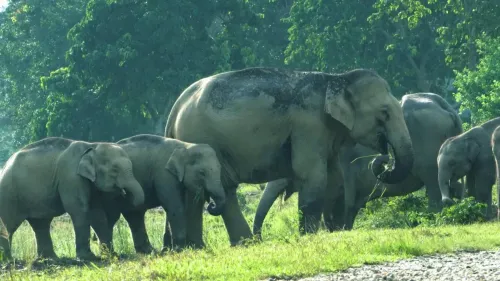
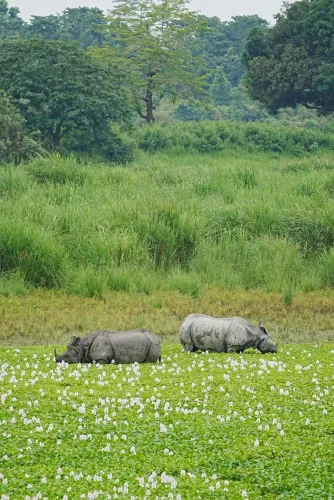
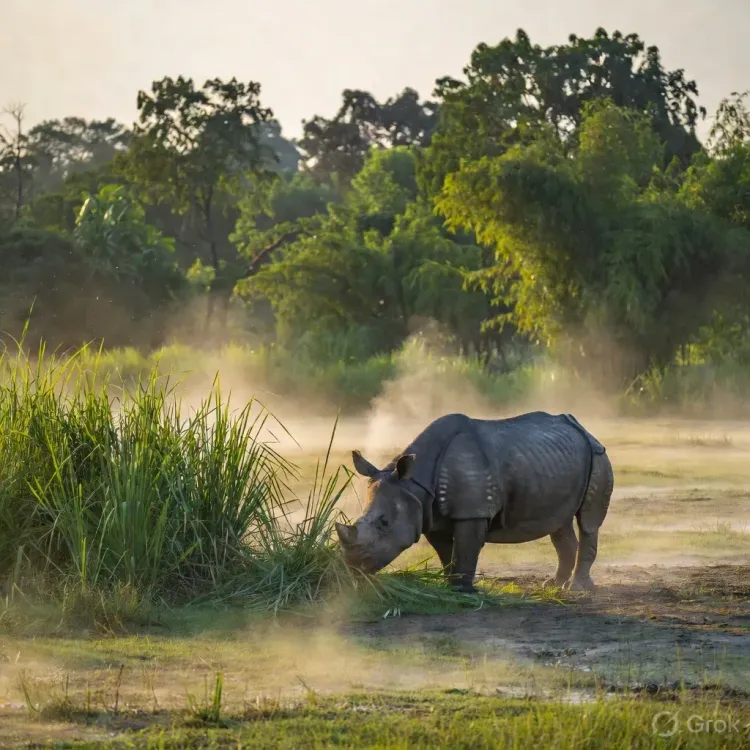
Assam hosts globally significant populations of one-horned rhinoceros , Asian elephants , and tigers , making it a high-priority conservation landscape.
The development reflects a growing national trend of public-private collaboration in wildlife care under the National Wildlife Action Plan framework.
A private conservation proposal from one of India's most prominent philanthropic families has landed on the desk of Assam Chief Minister Himanta Biswa Sarma — and the Chief Minister is giving it a serious look. On Wednesday, 12 August 2026, Sarma publicly acknowledged a wildlife initiative proposed by Anant Ambani and the Vantara Foundation, signalling openness while committing to a formal feasibility review before any agreement is reached.
What Vantara is proposing for Assam
Sarma stated that his government will 'examine the feasibility of the proposed centres and take an appropriate way forward.' The precise nature and location of the proposed centres have not been disclosed publicly, but the Chief Minister's response frames them as facilities aimed at strengthening 'wildlife care, conservation and our natural heritage.' Vantara Foundation, backed by the Ambani family, already operates large-scale wildlife rescue and rehabilitation facilities at Jamnagar, Gujarat, and has drawn national attention for the scale of its animal care operations.
Why Assam is a high-stakes arena for conservation
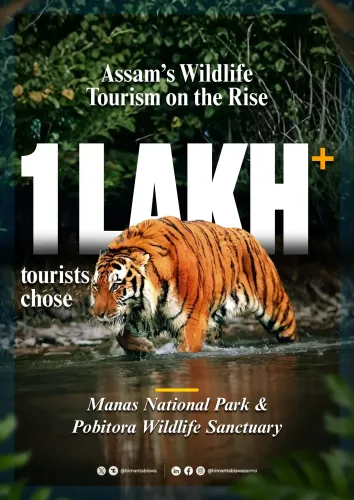
Assam is home to some of South Asia's most significant wildlife populations — including the world's largest concentration of Indian one-horned rhinoceros, significant herds of Asian elephants, and Royal Bengal tigers spread across protected areas such as Kaziranga National Park and Manas National Park. The state's biodiversity makes it both a conservation priority and a complex management challenge, with human-wildlife conflict, poaching pressure, and habitat fragmentation all demanding sustained investment and institutional capacity.
Private capital meets public wildlife mandate
Sarma's measured welcome fits a broader pattern taking shape across Indian states: governments increasingly partnering with private philanthropic entities to supplement forest department resources for wildlife rescue, rehabilitation, and habitat work. The framework of the National Wildlife Action Plan has provided policy scaffolding for such collaborations, and Assam has previously attracted both central government schemes and corporate social responsibility projects targeting its flagship species. A formal tie-up with Vantara — if the feasibility review clears — would mark one of the more high-profile private-sector entries into the state's conservation ecosystem.
The Assam government's next move is the feasibility study. Its outcome will determine whether Vantara's ambitions in the northeast translate into brick-and-mortar conservation infrastructure — or remain a proposal on paper.
Point of View
Cautious enough to preserve the government's decision-making authority. For a Chief Minister who has made Assam's conservation credentials a signature of his tenure, a partnership with Vantara would carry both ecological and political upside, given the Ambani family's national profile. The feasibility-first framing also insulates the government from premature commitments on sensitive forest land questions. Watch whether this becomes a template for other biodiversity-rich northeastern states weighing similar private-sector overtures.
NationPress
27 Sept 2026
Frequently Asked Questions
What is the Vantara Foundation's proposal for Assam?
The Vantara Foundation, backed by Anant Ambani, has proposed setting up wildlife care and conservation centres in Assam. Specific details of the sites and scale have not been made public; the Assam government has said it will examine the feasibility before proceeding.
Who is Anant Ambani and what is Vantara Foundation?
Anant Ambani is the son of Reliance Industries chairman Mukesh Ambani. The Vantara Foundation is an Ambani-family-backed organisation that operates large-scale wildlife rescue and rehabilitation facilities, most notably at Jamnagar in Gujarat.
What wildlife does Assam have that makes it important for conservation?
Assam is home to the world's largest population of Indian one-horned rhinoceros, large herds of Asian elephants, and Royal Bengal tigers. Key protected areas include Kaziranga National Park and Manas National Park.
Will the Assam government approve the Vantara conservation centres?
No decision has been made yet. Chief Minister Himanta Biswa Sarma has said the government will examine the feasibility of the proposed centres and take an appropriate way forward based on that review.
What is India's National Wildlife Action Plan?
The National Wildlife Action Plan is a policy framework that guides wildlife conservation efforts across Indian states, including provisions for public-private collaboration in rescue, rehabilitation, and habitat management.