CM Revanth Reddy Lauds Osmania Hospital's Rare 5-Organ Transplant
Synopsis
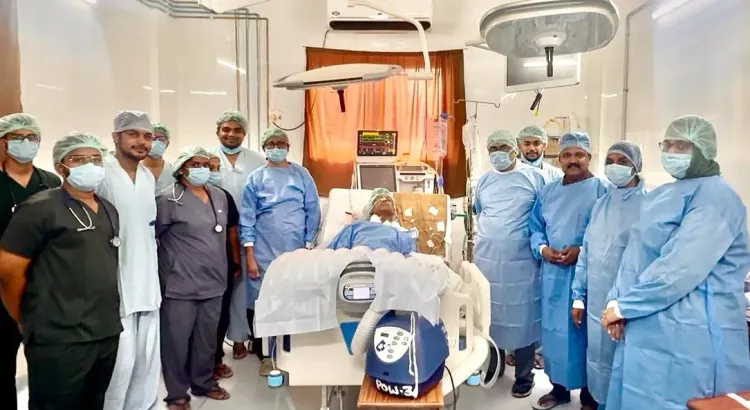
Chief Minister Revanth Reddy has congratulated the Osmania General Hospital team in Hyderabad for performing five simultaneous organ transplants on a 30-year-old engineer from Sircilla after 36 uninterrupted hours of surgery — described as a rare national record, announced on National Doctors' Day, 1 July 2026.
Key Takeaways
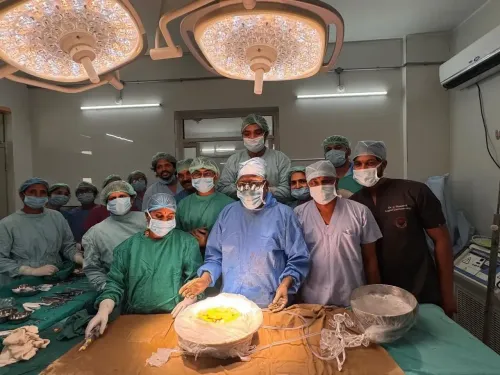
Osmania General Hospital doctors worked for 36 continuous hours to complete the procedure.
Five organs — stomach, duodenum, pancreas, small intestine, and large intestine — were transplanted simultaneously.
The patient is a 30-year-old engineer from Sircilla , Rajanna Sircilla district, Telangana.
Revanth Reddy publicly congratulated the surgical team and support staff on National Doctors' Day, 1 July 2026 .
The Chief Minister's Office described the achievement as a 'rare record in the country.' The procedure signals expanding multi-visceral transplant capacity within Telangana's public hospital system.
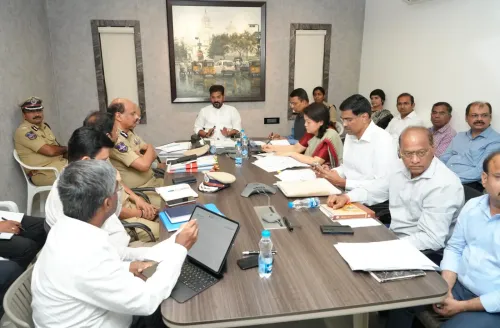
The Chief Minister's Office of Telangana announced on 1 July 2026 that Chief Minister A. Revanth Reddy has congratulated the medical team at Osmania General Hospital, Hyderabad, for successfully performing five simultaneous organ transplants on a single patient — a feat described as a rare record in India — after working continuously for 36 hours.
What Happened
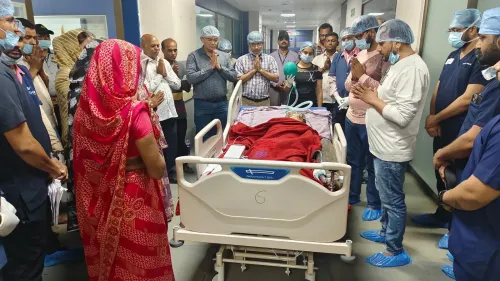
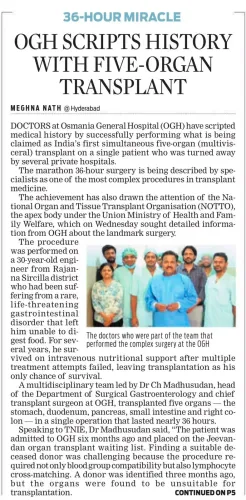
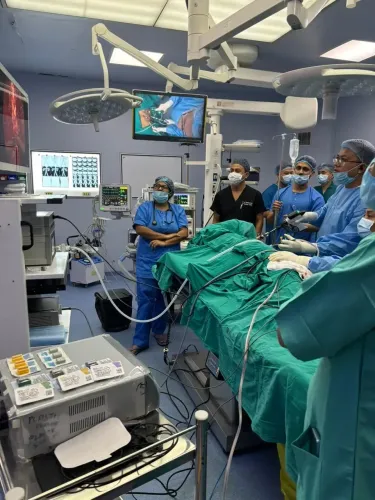
The surgical team at Osmania General Hospital transplanted five organs — the stomach (gastrointestinal tract), duodenum, pancreas, small intestine, and large intestine — simultaneously in a 30-year-old engineer from Sircilla, Rajanna Sircilla district, Telangana. The procedure, described as a multi-visceral transplant, required the team to labour without break for 36 consecutive hours. The Chief Minister's Office stated that this achievement constitutes a 'rare record in the country.'
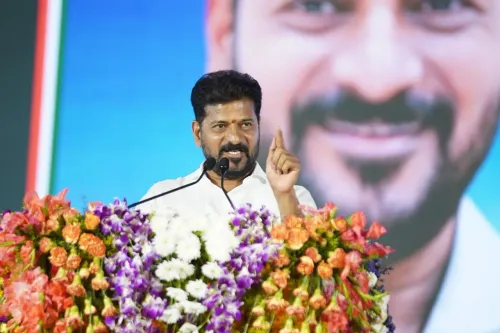
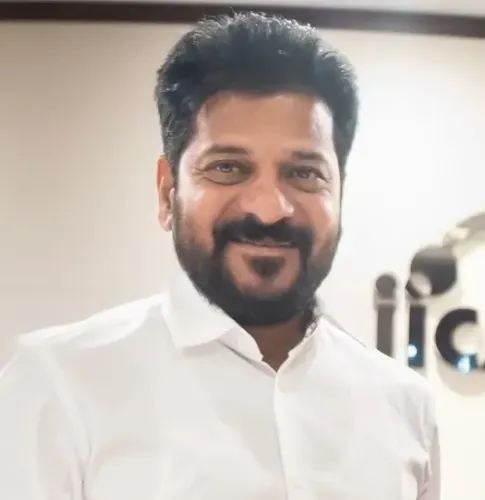
CM Revanth Reddy, in his congratulatory message, praised the doctors and support staff for setting a new benchmark for the medical profession, calling the achievement an inspiration for the entire field of medicine.
Context
The surgery was completed and publicly recognised on National Doctors' Day, 1 July — observed annually in India since 1991 to honour the medical profession on the birth and death anniversary of physician-statesman Dr Bidhan Chandra Roy. The timing amplified the symbolic weight of the achievement, with the Chief Minister noting that the Osmania team had made the occasion more meaningful by setting this milestone.
Osmania General Hospital, one of India's oldest government tertiary-care institutions established in the early 20th century and affiliated with Osmania Medical College, has historically handled complex surgical cases. The hospital has been a focal point of Telangana's post-bifurcation health infrastructure push.
Policy Backdrop
Telangana's Aarogyasri health scheme, expanded after the state's formation in 2014, covers advanced tertiary procedures including organ transplants at government hospitals, enabling patients from economically weaker sections to access high-cost surgical care. Multi-visceral transplants of this scale have historically been concentrated in select private super-speciality centres; public-sector hospitals performing such procedures marks a significant shift in state healthcare capacity.
Across India, government hospitals have progressively taken on complex surgeries previously seen only in private institutions, supported by improved surgical training pipelines and increased state-level funding for equipment and infrastructure.
Stakeholders and Impact
The most immediate beneficiary is the 30-year-old engineer from Sircilla, whose identity has not been disclosed. More broadly, the procedure signals growing capacity at government hospitals to serve patients who cannot afford private super-speciality care. The surgical and nursing staff who sustained a 36-hour uninterrupted procedure are the central figures in this achievement.
For Telangana's health administration, the recognition from the Chief Minister on National Doctors' Day also serves as a public signal of the state government's intent to retain and motivate medical talent within the public sector — a persistent challenge for government hospitals nationwide.
What's Next
Attention will now turn to the patient's post-operative recovery, which in multi-visceral transplants is an extended and closely monitored process. Broader questions about whether Telangana will move to formalise and scale up multi-organ transplant capacity at Osmania General Hospital — including strengthening cadaveric organ donation networks — are likely to follow this high-profile achievement. The government's response to this surgical milestone could shape future investment decisions in the state's public health infrastructure.
Point of View
Which has invested in upgrading Osmania General Hospital as a flagship public institution since bifurcation in 2014, this achievement offers a tangible proof point for that policy bet. More broadly, the case fits a pattern of Indian government hospitals reclaiming complex procedures from the private sector, a trend with significant implications for health equity. Whether this translates into structured investment in cadaveric donation networks and multi-organ transplant training pipelines will determine if this remains a one-off record or a turning point.
NationPress
30 Sept 2026
Frequently Asked Questions
What surgery was performed at Osmania General Hospital in Hyderabad?
Doctors at Osmania General Hospital performed a simultaneous transplant of five organs — the stomach, duodenum, pancreas, small intestine, and large intestine — on a single patient in a procedure that lasted 36 continuous hours.
Who was the patient in the Osmania Hospital multi-organ transplant?
The patient is a 30-year-old engineer from Sircilla in Rajanna Sircilla district, Telangana. Further personal details have not been disclosed publicly.
Why did CM Revanth Reddy congratulate the Osmania Hospital team?
CM A. Revanth Reddy congratulated the surgical team for completing a rare five-organ simultaneous transplant — described as a national record — and for achieving this milestone on National Doctors' Day, 1 July 2026.
What is National Doctors' Day and when is it observed in India?
National Doctors' Day is observed on 1 July every year in India since 1991 to honour the medical profession, marking the birth and death anniversary of physician and statesman Dr Bidhan Chandra Roy.
Is Osmania General Hospital a government hospital?
Yes, Osmania General Hospital is a historic government-run tertiary care hospital in Hyderabad, affiliated with Osmania Medical College, and is one of the oldest public hospitals in India.