Why Are 300 Garbage Trucks Stopped on the Outskirts of Bengaluru?
Synopsis
Tensions rise in Bengaluru as over 300 garbage trucks are halted by local residents and BJP leaders protesting waste dumping. The protests stem from existing issues with garbage disposal and local health concerns. As negotiations continue, the situation remains volatile, highlighting the urgent need for effective waste management solutions.
Key Takeaways
Protests against waste dumping highlight community concerns.
Over 300 trucks were halted near Doddaballapur.
Local leaders are demanding action from the Greater Bengaluru Authority .
Health risks associated with garbage processing are alarming residents.
Effective waste management solutions are urgently needed.
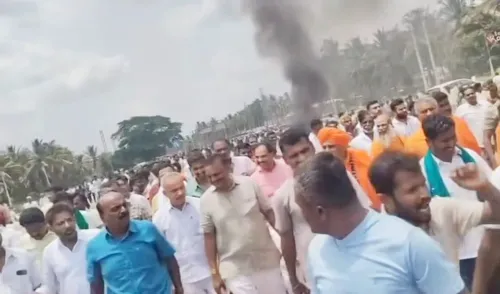
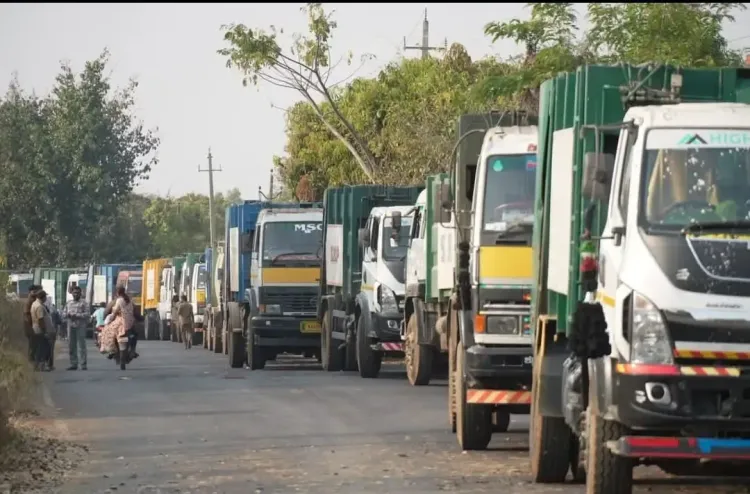
Tension escalated on the outskirts of Bengaluru on February 18, as local residents and BJP leaders intervened to halt over 300 garbage trucks en route to Doddaballapur. The protest arose due to mounting opposition against waste dumping in the area.
Local reports indicate that these trucks were redirected to Doddaballapur after protests erupted against garbage disposal in Mahadevapura. The Greater Bengaluru Authority (GBA) had issued directives for this diversion, but the situation intensified following a tragic road accident that claimed a child’s life, igniting public outrage.
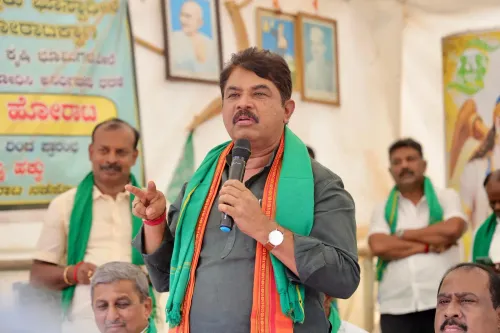
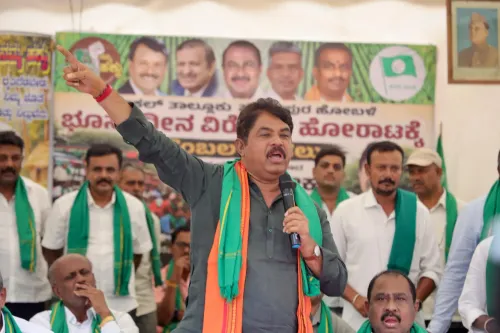
Residents, led by BJP MLA Dheeraj Muniraju, managed to block the trucks near the Dodda Mankala area, preventing more than 300 vehicles from proceeding. Regional Transport Office (RTO) officials arrived on-site and imposed fines on several trucks.
In a media briefing, Muniraju criticized the GBA authorities, highlighting that the region was already struggling with existing waste disposal facilities. “Due to protests in Mahadevapura, the trucks were diverted here. We are already overwhelmed with garbage. Trucks lacking proper permits will not be permitted to unload waste here. I will not permit them to dump garbage; we are stopping them and sending them back,” he asserted.
Local residents also voiced their concerns regarding dumping at the Mittaganahalli and Bellahalli processing units, alleging inadequate scientific waste disposal and insufficient funding from the village panchayat to manage the situation.
Meanwhile, it has been reported that GBA Solid Waste Disposal CEO Kari Gowda instructed the movement of around 300 additional trucks to Doddaballapur to manage the city’s waste, which has met with fierce resistance from locals.
In Bellahalli, residents expressed fears about health risks linked to the garbage processing units. Young people in the area reported that ongoing pollution and foul odors were adversely affecting their lives, including marriage prospects, due to the stigma associated with living near dumping sites.
The atmosphere remains charged as local authorities strive to engage residents and address their concerns regarding waste management and environmental safety.
Point of View
I believe this incident reflects a growing frustration among citizens regarding ineffective waste management. The protests signify not only a local issue but a broader concern about environmental safety and public health. Our commitment is to report these issues fairly and advocate for sustainable solutions that prioritize community well-being.
NationPress
29 Sept 2026
Frequently Asked Questions
What caused the protest against garbage trucks in Bengaluru?
The protest was triggered by local residents and BJP leaders opposing the diversion of garbage trucks to Doddaballapur due to existing waste management issues and a recent tragic accident.
How many trucks were involved in the blockade?
Over 300 garbage trucks were halted during the protest by local residents.
What are the residents' main concerns regarding waste disposal?
Residents are concerned about health hazards, inadequate waste management practices, and the negative impact of living near dumping sites.
What actions did the Regional Transport Office take?
RTO officials arrived at the protest site and imposed fines on several trucks attempting to proceed.
What is the stance of local leaders on the waste dumping issue?
Local leaders, especially BJP MLA Dheeraj Muniraju, firmly oppose the dumping of waste in their area and demand better management practices.