Owaisi Demands Permanent Residence Certificate for Telangana Poor
Synopsis
AIMIM president Asaduddin Owaisi, speaking at a Volunteer Lawyers Workshop in Nampally, Hyderabad, demanded that Chief Minister Revanth Reddy immediately issue Permanent Residence Certificates so Telangana's poor can meet Special Intensive Revision electoral-roll documentation requirements.
Key Takeaways
Owaisi demanded CM Revanth Reddy issue a Permanent Residence Certificate immediately for Telangana's poor.
The demand is linked to documentation hurdles in the Special Intensive Revision (SIR) of electoral rolls.
AIMIM organised a Volunteer Lawyers Workshop at Nampally, Hyderabad to help voters with SIR paperwork.
Owaisi stated that many of Telangana's poor lack the necessary documents to comply with SIR requirements.
The demand puts political pressure on the Congress-led Telangana government , which has been in power since December 2023 .
The Election Commission of India has conducted periodic intensive revision drives in Telangana since the state's formation in 2014 .
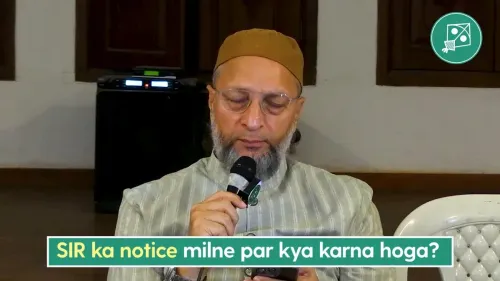
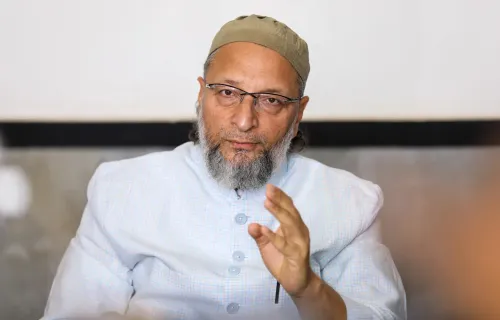
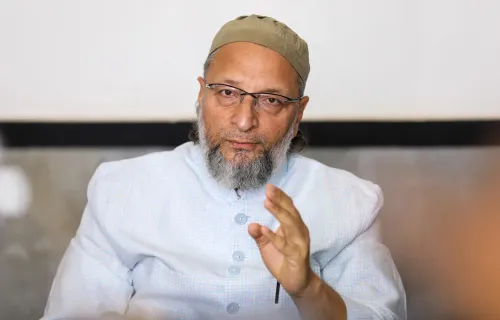
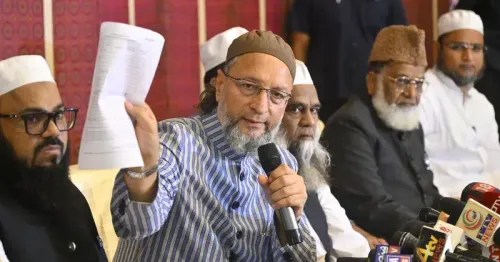
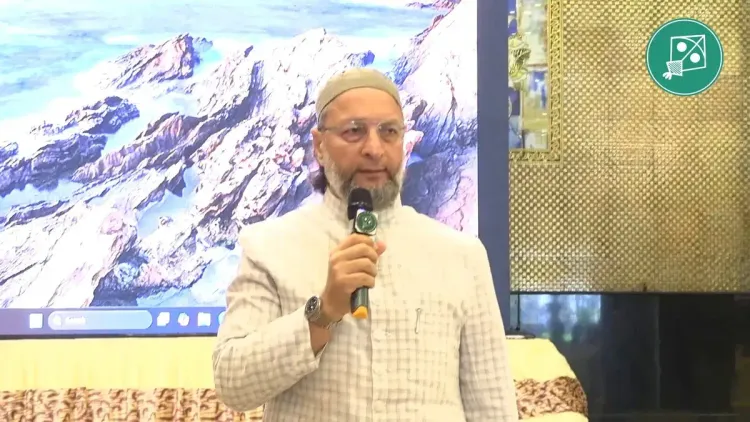
AIMIM president Asaduddin Owaisi on Monday, 6 July 2026, demanded that Telangana Chief Minister Revanth Reddy immediately issue a Permanent Residence Certificate to help the state's poor navigate documentation hurdles linked to the Special Intensive Revision (SIR) of electoral rolls. Owaisi made the demand while addressing an AIMIM-organised Volunteer Lawyers Workshop at Nampally, Hyderabad, aimed at helping voters complete SIR-related paperwork.
Context
Speaking in Urdu, Owaisi said: 'Telangana ke ghareebo'n ke paas zaroori documents nahi hain' ('The poor of Telangana do not have the necessary documents'). He called on CM Revanth Reddy to act immediately so that residents are not excluded from electoral rolls due to an inability to produce proof of residence. The workshop, convened by AIMIM, deployed volunteer lawyers to assist voters in Nampally in completing their documentation.
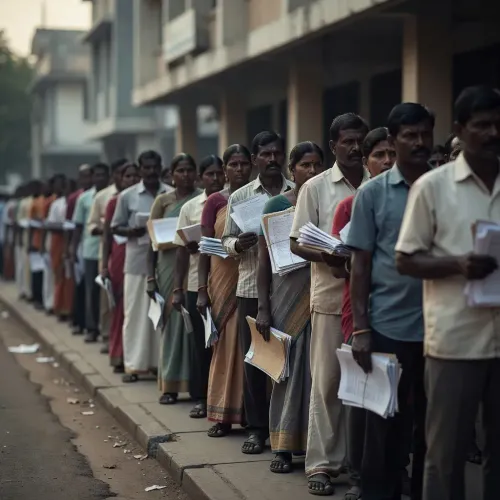
The SIR process, conducted periodically by the Election Commission of India, requires voters to furnish documentary proof of identity and residence. For the urban poor — particularly daily-wage workers, tenants, and informal settlers — assembling such documents can be a significant barrier to remaining on or getting added to the electoral roll.
Policy Backdrop
The Election Commission of India has conducted Special Summary Revisions and Intensive Revision drives of electoral rolls in Telangana ahead of every major electoral cycle since the state was formed in 2014. Each revision tightens eligibility checks, and each cycle has generated complaints from civic bodies and political parties about the exclusion of marginalised voters.
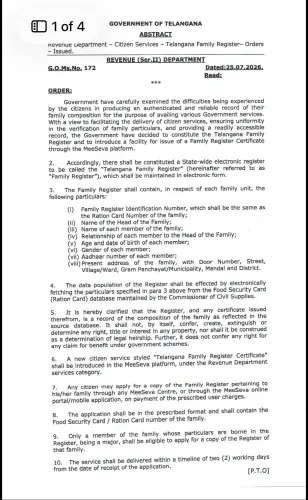
Telangana governments since 2014 have issued various domicile and residence certificates to facilitate access to welfare schemes and voter enrolment. Owaisi's demand for a dedicated Permanent Residence Certificate is a call to standardise and fast-track this process specifically for the SIR exercise currently under way. Political parties across India routinely organise legal-aid camps during such revision drives to reduce exclusion of vulnerable communities.
Stakeholders and Impact
AIMIM has historically drawn its core support from Hyderabad's urban poor and Muslim voters — communities that are disproportionately likely to lack formal documentation. By organising a lawyers' workshop in Nampally, the party is directly targeting one of its key voter blocs while simultaneously pressing the state government on a civic-access issue.
The demand also puts pressure on the Congress-led Telangana government under CM Revanth Reddy, which came to power in December 2023. A failure to respond could allow AIMIM to frame the Congress administration as indifferent to the documentation struggles of the poor ahead of future local body or assembly elections.
What's Next
All eyes are now on the Telangana government's response to the Permanent Residence Certificate demand and whether the state will issue a formal clarification on which documents are acceptable for SIR compliance. Any official move on this front would directly affect lakhs of voters in urban constituencies like Nampally, Hyderabad.
If the government does not act, AIMIM is likely to escalate through additional legal-aid workshops across Hyderabad and other parts of Telangana. The broader question — whether India's electoral-roll revision processes inadvertently disenfranchise the urban poor — is one that civil society groups and political parties will continue to raise as long as documentation gaps persist.
Point of View
Owaisi is also drawing a sharp contrast between AIMIM's on-the-ground presence and the Congress government's administrative response. The move fits a broader national pattern where documentation gaps in electoral-roll revisions become flashpoints for parties representing marginalised urban communities. How the Telangana government responds will signal whether it treats voter-documentation access as a governance priority or a political inconvenience.
NationPress
5 Oct 2026
Frequently Asked Questions
Why is Owaisi demanding a Permanent Residence Certificate in Telangana?
Owaisi says Telangana's poor lack the documents required for the Special Intensive Revision of electoral rolls and wants CM Revanth Reddy to issue a Permanent Residence Certificate to remove this barrier.
What is the Special Intensive Revision (SIR) of electoral rolls?
The SIR is a periodic exercise by the Election Commission of India to update voter lists; it requires residents to furnish proof of identity and residence, which can be difficult for informal settlers and the urban poor.
What is the AIMIM Volunteer Lawyers Workshop in Nampally?
It is an event organised by AIMIM in Nampally, Hyderabad, where volunteer lawyers assist voters in completing SIR-related documentation to ensure they are not dropped from electoral rolls.
Who is Revanth Reddy and why is Owaisi addressing him?
Revanth Reddy is the Chief Minister of Telangana from the Indian National Congress, in office since December 2023; as head of the state government, he has the authority to direct officials to issue residence certificates.
How does this issue affect voters in Hyderabad?
Voters in urban Hyderabad constituencies like Nampally who lack formal residence documents risk being excluded from electoral rolls during revision drives, effectively losing their right to vote.