Owaisi Flags Anomalies in SIR, Seeks Wider Valid Documents
Synopsis
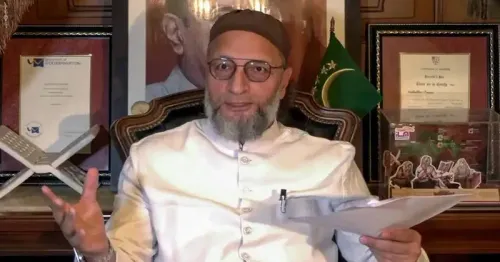
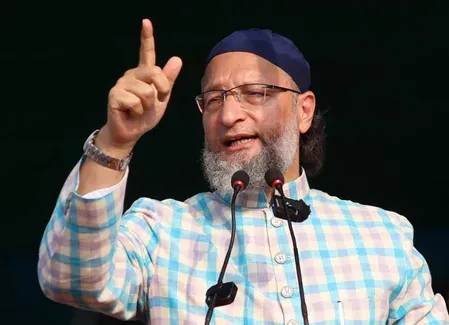
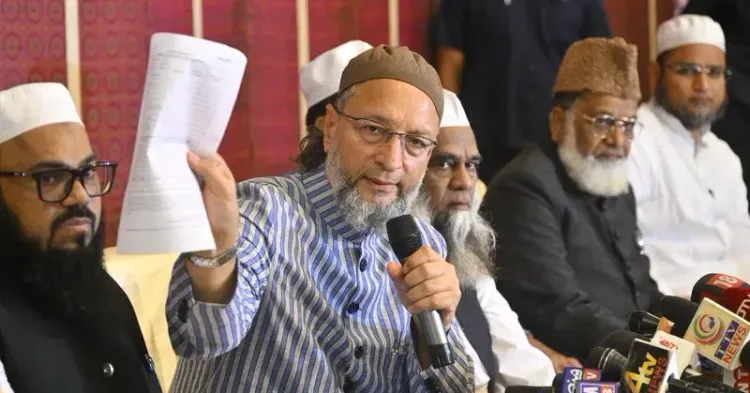
AIMIM president Asaduddin Owaisi on June 12, 2026 publicly flagged anomalies in the Special Intensive Revision of electoral rolls and called on the Election Commission of India to widen the list of documents accepted as valid proof for voter registration, raising concerns about potential exclusion of eligible citizens.
Key Takeaways
Asaduddin Owaisi , AIMIM president and Hyderabad MP, flagged 'anomalies' in the ongoing Special Intensive Revision (SIR) of electoral rolls on June 12, 2026 .
He demanded that the Election Commission of India expand the list of documents accepted as valid proof during the SIR process.
The SIR is a periodic exercise to update voter lists; strict document requirements have previously led to exclusions of marginalised voters.
Owaisi's intervention follows a pattern of AIMIM scrutinising electoral and citizenship documentation processes that affect minority communities.
Similar controversies over document-based exclusions arose during the Assam NRC and voter list revisions in Bihar .
The Election Commission's response to the demand will be closely watched ahead of upcoming state and national electoral roll finalisation.
AIMIM president Asaduddin Owaisi on Friday, June 12, 2026, raised concerns over what he described as 'anomalies' in the ongoing Special Intensive Revision (SIR) of electoral rolls, calling on the Election Commission of India to expand the list of documents accepted as valid proof of identity and residence for voter registration.
Context
Owaisi, who represents Hyderabad in the Lok Sabha and leads the All India Majlis-e-Ittehadul Muslimeen (AIMIM), flagged the issue publicly, pointing to procedural irregularities in the SIR process that he argues could result in eligible citizens being excluded from electoral rolls. His intervention draws attention to the document requirements currently prescribed by the Election Commission for verifying voter eligibility during the revision exercise.
The SIR is a periodic exercise conducted by the Election Commission of India to update and cleanse voter lists, ensuring that eligible citizens are enrolled and ineligible entries are removed. Such exercises have previously drawn scrutiny over whether the prescribed document sets are accessible to all segments of the population equally.
Policy Backdrop
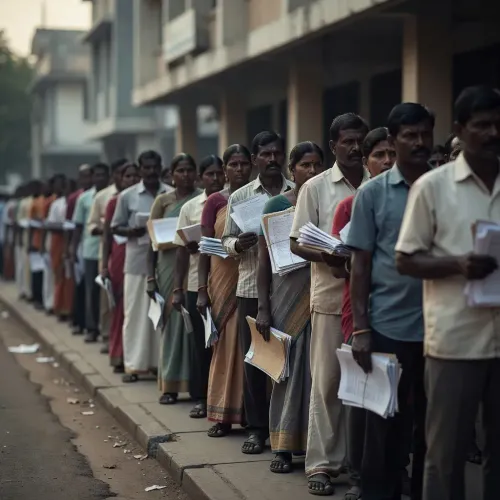
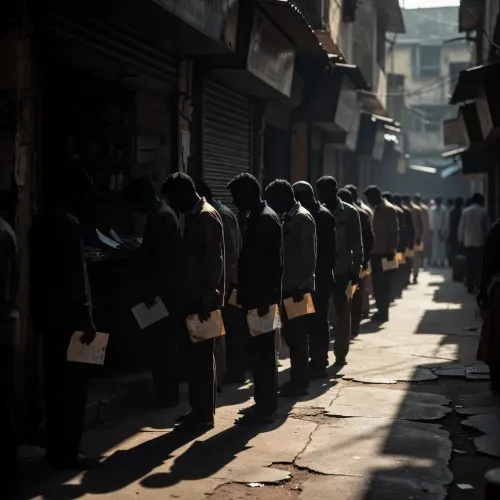
The Election Commission of India periodically undertakes Special Summary Revision and Special Intensive Revision drives across states, requiring applicants to furnish specific identity and address documents. Critics have long argued that strict or narrow document requirements disproportionately affect marginalised communities — including the urban poor, migrant workers, and minority groups — who may lack standardised paperwork.
This debate echoes earlier controversies during the Assam National Register of Citizens (NRC) updates and voter list revision exercises in Bihar, where documentation gaps led to large-scale exclusions. AIMIM has consistently positioned itself as a watchdog on such processes, particularly where Muslim-majority constituencies are affected. Owaisi's demand for a wider set of valid documents is consistent with that long-standing party position.
Stakeholders and Impact
The primary stakeholders are eligible voters — especially those from minority communities, economically weaker sections, and migrant populations — who may struggle to produce the specific documents currently listed as acceptable. If the Election Commission does not broaden the document list, such individuals risk being left off the final electoral rolls, effectively disenfranchising them ahead of future elections.
Civil society groups and opposition parties have repeatedly urged the Election Commission to adopt a more inclusive approach to document verification, arguing that the right to vote must not be contingent on access to a narrow category of identity proofs. Owaisi's public flagging of 'anomalies' adds parliamentary-level pressure to these demands.
What's Next
The Election Commission of India has not yet publicly responded to Owaisi's specific concerns as of the time of this report. Observers will watch whether the Commission issues a clarification or circular expanding the list of acceptable documents before the SIR process is finalised. Any such decision could have significant implications for the size and composition of electoral rolls in constituencies with high concentrations of voters from minority or economically marginalised backgrounds.
With electoral roll finalisation timelines closely watched ahead of upcoming state and national polls, the Commission's response — or silence — on Owaisi's demand is likely to become a flashpoint in the broader debate over inclusive electoral participation in India.
Point of View
He positions AIMIM as a procedural watchdog rather than merely an aggrieved party — a tactic that broadens potential coalition support. The demand for a wider document list taps into a recurring fault line in Indian electoral administration: the tension between roll accuracy and the risk of disenfranchising citizens who are documentation-poor. If the Election Commission does not respond substantively, the issue could feed into a larger opposition narrative about structural barriers to minority political participation ahead of the next electoral cycle.
NationPress
13 Sept 2026
Frequently Asked Questions
What is the Special Intensive Revision (SIR) of electoral rolls?
The Special Intensive Revision (SIR) is a periodic exercise conducted by the Election Commission of India to update voter lists by adding eligible new voters, correcting entries, and removing ineligible ones, typically requiring applicants to submit specific identity and address documents.
What anomalies did Owaisi flag in the SIR process?
Owaisi flagged procedural irregularities in the SIR exercise that he argued could lead to eligible citizens being excluded from electoral rolls, and called for a broader set of valid documents to be accepted during the process.
Why does the document requirement in voter list revision matter?
A narrow list of accepted documents can exclude eligible voters — particularly from minority communities, the urban poor, and migrant populations — who may not possess standardised paperwork, effectively disenfranchising them.
Has the Election Commission responded to Owaisi's concerns?
As of June 12, 2026, the Election Commission of India had not publicly responded to Owaisi's specific demands regarding the SIR document list.
Has AIMIM raised similar issues before?
Yes, AIMIM has consistently raised concerns about documentation requirements in electoral and citizenship processes, including during the Assam NRC exercise and voter list revisions in Bihar, arguing such requirements disproportionately affect minority and marginalised communities.