Owaisi moves Supreme Court against Special Intensive Revision
Synopsis
AIMIM president Asaduddin Owaisi moved the Supreme Court on 14 October 2026 to challenge the Election Commission's Special Intensive Revision of electoral rolls, continuing a pattern of opposition litigation against perceived irregularities in voter-list exercises that affect minority communities.
Key Takeaways
AIMIM president Asaduddin Owaisi filed a petition in the Supreme Court of India on 14 October 2026 challenging the Election Commission's Special Intensive Revision of electoral rolls.
The Election Commission of India conducts intensive revisions under the Representation of the People Act, 1950 , a process that can result in large-scale deletions from voter lists.
Opposition parties and minority-focused groups have a documented history of challenging such revision exercises in courts, citing concerns over arbitrary deletions.
The Supreme Court's next steps — including whether it issues notice to the ECI or grants any interim stay — will determine the revision exercise's immediate future.
Owaisi is Lok Sabha MP from Hyderabad and has filed multiple constitutional petitions on electoral and civil rights issues.
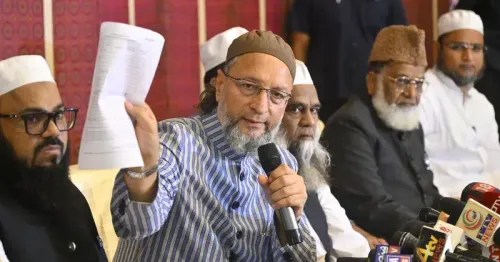
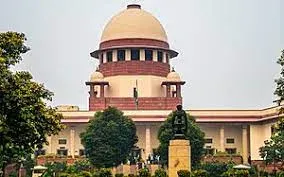
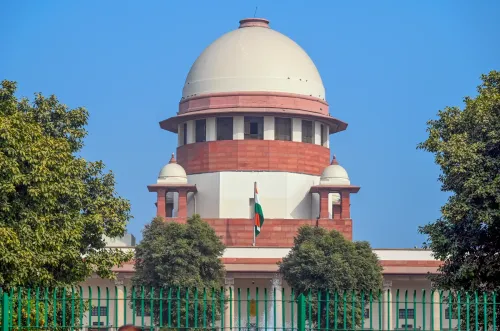
A direct constitutional challenge landed in India's apex court on Wednesday, 14 October 2026, as AIMIM president Asaduddin Owaisi filed a petition in the Supreme Court of India contesting the Election Commission's ongoing Special Intensive Revision of electoral rolls — a move that signals deepening opposition concern over how voter lists are being reshaped ahead of elections.
What is a Special Intensive Revision — and why does it draw fire?
The Election Commission of India (ECI) holds the power under the Representation of the People Act, 1950 to order intensive or summary revisions of electoral rolls before state or national polls. In a 'Special Intensive Revision,' field-level officials go door-to-door to verify, add, or delete entries — a process the Commission frames as a clean-up exercise. Critics argue the same mechanism can silently strip legitimate voters off the rolls, particularly in densely-populated urban constituencies and among communities with weaker documentation.
That tension is not new. Opposition parties and minority-focused political groups have repeatedly approached courts over perceived irregularities in past revision drives, citing arbitrary deletions and documentation thresholds that disproportionately affect certain voter segments. Owaisi, as both Lok Sabha MP from Hyderabad and head of the All India Majlis-e-Ittehadul Muslimeen (AIMIM) — a party whose political base is concentrated among Muslim communities in urban Telangana and beyond — has a direct electoral stake in how those rolls are constructed.
Owaisi's record of electoral-process litigation
AIMIM has established itself as one of the most litigious parties on questions of Muslim political representation and electoral fairness. Owaisi himself has filed petitions spanning a range of constitutional issues, from civil rights to election administration. Moving the Supreme Court against an ongoing revision exercise follows a well-worn playbook — use the judiciary as a check on administrative actions the party regards as structurally biased before the damage to voter rolls becomes irreversible.
The critical variable now is speed. An intensive revision that concludes before any judicial intervention effectively becomes a fait accompli — names once removed can take months to restore through the normal claims-and-objections window. That urgency likely explains why the petition has been filed mid-exercise rather than after the fact.
What the Supreme Court decides next
The petition now awaits listing before a bench. Watch for two immediate signals from the court: whether it issues notice to the Election Commission — which would force the ECI to formally justify the revision exercise — and, more consequentially, whether it grants any interim stay or direction to pause or modify the ongoing process pending a hearing. Either outcome would carry significant implications for the timeline and scope of the revision.
India's apex court has in the past intervened in electoral roll matters when petitioners have demonstrated prima facie grounds of procedural irregularity or constitutional harm. Whether Owaisi's petition clears that bar will depend on the specific grounds placed before the bench — grounds the petition itself is yet to be publicly detailed in full.
Every voter-list revision is, at its core, a question of democratic participation. When that question reaches the Supreme Court, the answer it gets will be felt at the booth.
Point of View
Potentially before its consequences are locked in. More broadly, the challenge reflects a widening debate over whether India's voter-roll revision mechanisms have adequate safeguards against inadvertent or deliberate exclusion. How the Supreme Court responds will be closely watched as a signal of judicial appetite for scrutinising Election Commission processes in a politically charged pre-election climate.
NationPress
14 Oct 2026
Frequently Asked Questions
What is a Special Intensive Revision of electoral rolls?
A Special Intensive Revision is an exercise ordered by the Election Commission of India under the Representation of the People Act, 1950, in which officials verify voter details door-to-door, adding new voters and removing ineligible entries from the rolls.
Why did Owaisi challenge the Special Intensive Revision in the Supreme Court?
AIMIM president Asaduddin Owaisi filed the petition citing concerns about the revision exercise, following a broader pattern of opposition challenges against voter-list drives seen as potentially leading to arbitrary deletions affecting minority communities.
What can the Supreme Court do about the Election Commission's revision exercise?
The Supreme Court can issue notice to the Election Commission seeking its response, and may grant an interim stay or specific directions to pause or modify the ongoing revision process pending a full hearing.
Has the Supreme Court intervened in electoral roll revisions before?
Yes, India's apex court has previously intervened in electoral roll matters when petitioners demonstrated prima facie grounds of procedural irregularity or constitutional harm to voters.
What is AIMIM and who is Asaduddin Owaisi?
The All India Majlis-e-Ittehadul Muslimeen (AIMIM) is a Hyderabad-based political party focused on Muslim political representation. Asaduddin Owaisi is its president and serves as Lok Sabha MP from Hyderabad.