Owaisi Revisits Jamia Police Action, Calls It Atrocity
Synopsis
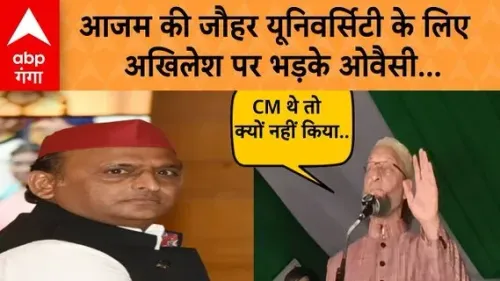
AIMIM president Asaduddin Owaisi on 28 July 2026 called the December 2019 police action at Jamia Millia Islamia — when students were beaten on campus during anti-CAA protests — an outright atrocity, keeping the unresolved accountability question in public focus.
Key Takeaways
AIMIM president Asaduddin Owaisi posted on 28 July 2026 calling the Jamia campus police action an atrocity ( zulm ).
Police entered Jamia Millia Islamia campus on 15 December 2019 during anti-CAA protests, injuring students.
The Citizenship Amendment Act (CAA) was passed by Parliament in December 2019 and fast-tracks citizenship for non-Muslim migrants from Afghanistan, Bangladesh, and Pakistan.
Court cases related to the December 2019 Jamia incidents remain pending; no final verdict on police conduct has been delivered.
Owaisi has consistently used the Jamia incident to argue against disproportionate state force on protesting students.
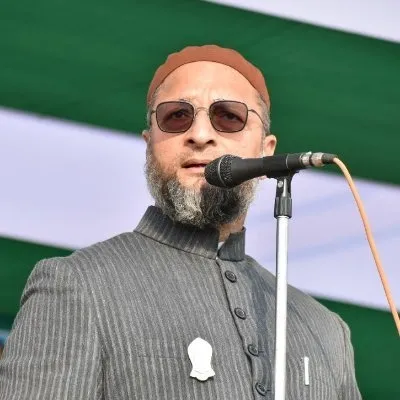
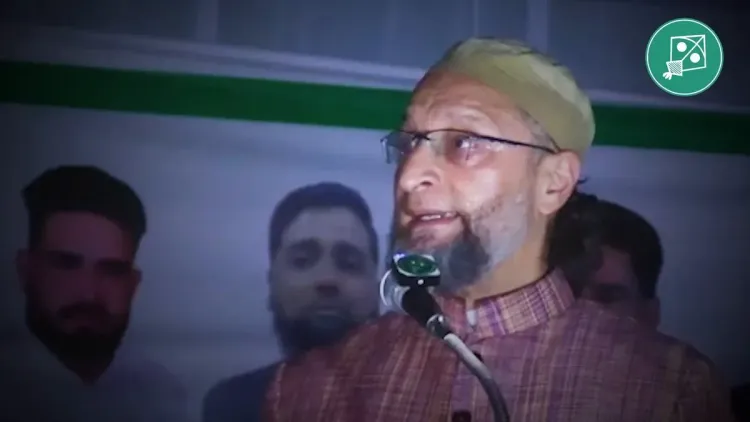
Six years after police entered the Jamia Millia Islamia campus and beat students during anti-CAA protests, AIMIM president Asaduddin Owaisi has returned to that moment — calling it, plainly, an atrocity. His post on Tuesday, 28 July 2026 carries no qualifier, no hedging: what happened inside that campus was zulm — oppression.
Owaisi wrote: 'That too was an atrocity — when students of Jamia Millia Islamia were mercilessly beaten inside the campus during the CAA protests.' The Hindi word zulm (oppression/cruelty) is deliberate; it is the vocabulary of moral indictment, not political debate.
What Happened on 15 December 2019
On 15 December 2019, police entered the Jamia Millia Islamia campus in New Delhi as protests against the Citizenship Amendment Act (CAA) swept the country. Students reported being beaten inside the library and corridors; images of injured students circulated widely. The university — a central institution with a historically Muslim student body — became a flashpoint.
The CAA, passed by Parliament in December 2019, fast-tracks citizenship for non-Muslim migrants from Afghanistan, Bangladesh, and Pakistan. Critics argued it discriminated on religious grounds; the government maintained it was a humanitarian measure for persecuted minorities. That argument never resolved — it merely moved to the courts.
Why Owaisi Is Raising It Now
Owaisi has consistently kept the Jamia incident in public view, framing it as evidence of disproportionate state force against Muslim students exercising their right to protest. His post on 28 July 2026 does not specify an immediate trigger — but the framing ('that too was an atrocity') suggests he is placing Jamia alongside other incidents in a running argument about accountability and campus policing.
Court proceedings on cases filed in connection with the December 2019 Jamia incidents remain ongoing. No final judicial verdict on police conduct that day has been delivered.
The students beaten in a university library in 2019 are still waiting for a court to say, definitively, who was wrong. That wait is the story Owaisi refuses to let go quiet.
Point of View
Particularly as court proceedings on the Jamia incidents drag on without resolution. By using the word zulm rather than legal language, he is making a moral claim rather than a procedural one — positioning himself as a persistent voice for accountability where institutions have moved slowly. The post also signals that the CAA and its fallout remain live political terrain, not settled history, ahead of any future legislative or judicial developments.
NationPress
28 Jul 2026
Frequently Asked Questions
What happened at Jamia Millia Islamia during the CAA protests?
On 15 December 2019 , police entered the Jamia Millia Islamia campus in New Delhi during anti-CAA protests and clashed with students, resulting in injuries. The incident drew widespread criticism and led to multiple legal cases.
What is the CAA and why was it controversial?
The Citizenship Amendment Act (CAA) , passed in December 2019, fast-tracks Indian citizenship for non-Muslim migrants from Afghanistan, Bangladesh, and Pakistan. Critics argued it discriminated on religious grounds; the government said it protected persecuted minorities.
What did Owaisi say about Jamia in his July 2026 post?
Owaisi wrote that the beating of Jamia Millia Islamia students inside the campus during CAA protests was also an atrocity, using the Hindi word zulm , meaning oppression or cruelty.
Have courts ruled on the Jamia December 2019 police action?
Cases related to the December 2019 Jamia incidents remain pending in court. No final judicial verdict on police conduct during the campus entry has been delivered as of the date of this report.
Who is Asaduddin Owaisi?
Asaduddin Owaisi is the president of the All India Majlis-e-Ittehadul Muslimeen (AIMIM) and the Lok Sabha MP from Hyderabad . He has been a consistent critic of the CAA and of police actions during the 2019 protests.