Jal Shakti Minister Paatil Champions Sukanya Samridhi Yojana
Synopsis
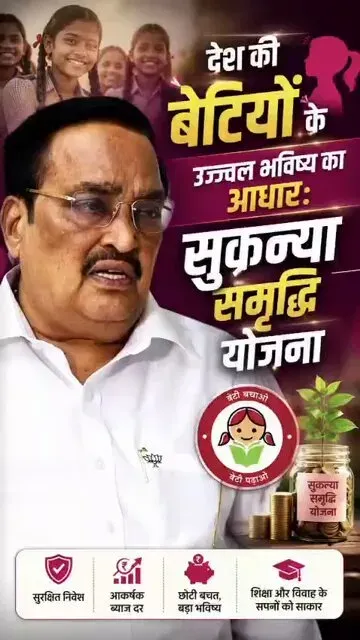
Union Jal Shakti Minister C. R. Paatil has championed the Sukanya Samriddhi Yojana, calling it a 'powerful resolve' for girls' futures and linking it to PM Modi's Beti Bachao, Beti Padhao campaign. The scheme, launched in January 2015, offers tax-linked savings for girl children's education and long-term welfare.
Key Takeaways
Paatil , Union Jal Shakti Minister, publicly endorsed the Sukanya Samriddhi Yojana on 8 June 2026 .
He described the scheme as a 'powerful resolve for a safe, educated, and self-reliant future' for India's daughters.
The Sukanya Samriddhi Yojana was launched in January 2015 alongside Beti Bachao, Beti Padhao , inaugurated on 22 January 2015 in Panipat, Haryana .
The scheme offers higher interest rates and Section 80C tax benefits for long-term savings in the name of girl children.
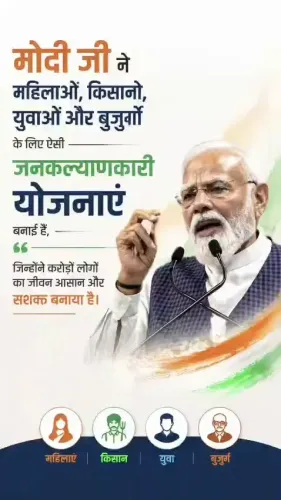
Paatil framed the initiative within the Viksit Bharat and Garib Kalyan policy frameworks championed by PM Narendra Modi .
The next Union Budget and monsoon session of Parliament are key moments to watch for scheme updates and uptake data.
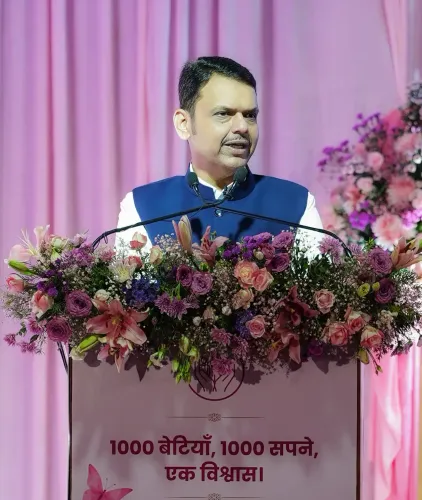
Union Jal Shakti Minister C. R. Paatil on Monday, 8 June 2026 publicly championed the Sukanya Samriddhi Yojana, calling it not merely a savings scheme but a 'powerful resolve for a safe, educated, and self-reliant future for the daughters of the country.' The senior BJP leader credited Prime Minister Narendra Modi with the initiative and linked it directly to the broader Beti Bachao, Beti Padhao campaign.
Context
Paatil's post, written in Hindi, describes the scheme as 'beti bachao, beti padhao ke sankalp ko mazboot aadhar' — 'a strong foundation for the resolve of Save the Daughter, Educate the Daughter.' He added that the initiative is giving 'millions of families the confidence to realise their daughters' dreams.' The message was accompanied by a video and tagged with the hashtags #SukanyaSamriddhiYojana, #BetiBachaoBetiPadhao, #GaribKalyan, and #ViksitBharat.
Policy Backdrop
The Sukanya Samriddhi Yojana was launched in January 2015 alongside the Beti Bachao, Beti Padhao campaign as a dedicated small-savings instrument for girl children. The scheme offers higher interest rates and tax benefits under Section 80C, incentivising long-term savings for a girl's education and future needs. Beti Bachao, Beti Padhao was formally inaugurated on 22 January 2015 in Panipat, Haryana, as a flagship response to declining child sex ratios and low female enrolment in schools.
Together, the two initiatives form a paired approach — fiscal incentive plus social messaging — that successive central budgets have continued to support. They sit within the Viksit Bharat framework, which seeks broad-based development benchmarks by 2047. Cross-ministry amplification of such schemes is a standard feature of the government's outreach calendar.
Stakeholders and Impact
The primary beneficiaries of the Sukanya Samriddhi Yojana are families with daughters below the age of ten who open accounts at post offices or designated bank branches. The scheme allows deposits for fifteen years and matures when the girl turns twenty-one, covering the typical window for higher education and early career. Millions of accounts have been opened since the scheme's launch, making it one of the most widely subscribed small-savings products in the country.
The Beti Bachao, Beti Padhao campaign complements the financial instrument by targeting behavioural change — working through district-level administrations, schools, and community groups to shift attitudes on girl-child welfare. Paatil's amplification, as a Union Cabinet minister, keeps both programmes visible to a national audience beyond their core administrative channels.
What's Next
Observers of welfare policy will watch the next Union Budget for any revision in the Sukanya Samriddhi Yojana interest rate or the annual contribution ceiling, both of which directly affect scheme attractiveness. The upcoming monsoon session of Parliament may also see questions on scheme uptake data, account dormancy rates, and geographic coverage gaps. Continued ministerial advocacy signals that the government intends to sustain the programme's public profile as part of its Garib Kalyan and Viksit Bharat messaging ahead of future electoral cycles.
Point of View
Beti Padhao brand ahead of future electoral cycles. Paatil's framing — anchoring the savings instrument within the Viksit Bharat and Garib Kalyan narratives — reflects a wider BJP strategy of linking legacy social programmes to its long-horizon development vision. The cross-ministry promotion also suggests the government is keen to sustain scheme visibility without a fresh policy announcement. Whether this translates into a concrete revision of interest rates or contribution limits in the next budget will be the real test of renewed political commitment.
NationPress
23 Oct 2026
Frequently Asked Questions
What is Sukanya Samriddhi Yojana?
Sukanya Samriddhi Yojana is a government-backed small-savings scheme launched in January 2015 that allows families to open a dedicated account for a girl child below ten years of age, offering higher interest rates and tax deductions under Section 80C to fund her education and future needs.
When was Beti Bachao Beti Padhao launched?
Beti Bachao, Beti Padhao was launched on 22 January 2015 in Panipat, Haryana, by Prime Minister Narendra Modi to address declining child sex ratios and promote girls' education across India.
Who is C. R. Paatil?
C. R. Paatil is the Union Minister of Jal Shakti and a senior BJP leader who previously served as the BJP's Gujarat state president.
What are the tax benefits of Sukanya Samriddhi Yojana?
Contributions to a Sukanya Samriddhi account are eligible for deduction under Section 80C of the Income Tax Act, and both the interest earned and the maturity amount are tax-free, making it one of the more tax-efficient small-savings instruments available to Indian families.
How long does a Sukanya Samriddhi account run?
Deposits can be made for fifteen years from the date of account opening, and the account matures when the girl child turns twenty-one, covering the typical period for higher education and early career planning.