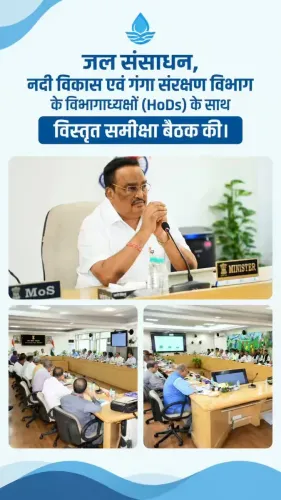
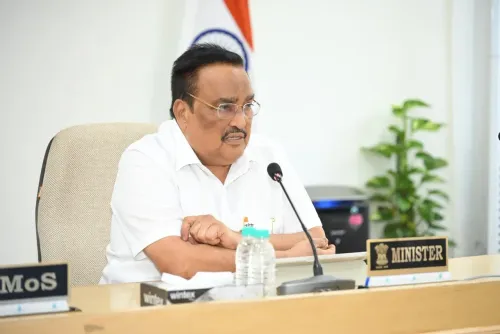
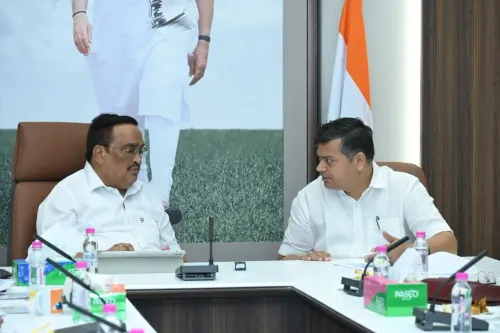
Jal Shakti Minister Paatil Chairs 19th GFCB Meet in Delhi
Synopsis
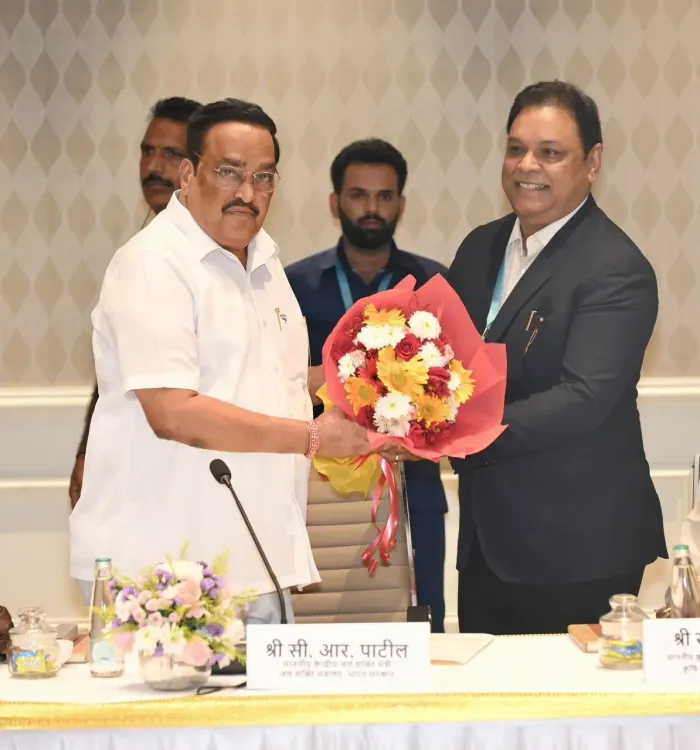
Union Jal Shakti Minister C. R. Paatil chaired the 19th Ganga Flood Control Board meeting in New Delhi on 27 October 2026, with senior leaders from West Bengal, Bihar, and Uttar Pradesh present. The meeting focused on permanent flood and erosion solutions, better inter-state coordination, and time-bound implementation of long-term plans.
Key Takeaways
Union Jal Shakti Minister C.
Paatil chaired the 19th GFCB meeting in New Delhi on 27 October 2026 .
Attendees included West Bengal CM Suvendu Adhikari , Bihar Deputy CM Vijay Kumar Chaudhary , and UP Jal Shakti Minister Swatantra Dev Singh .
Agenda centred on permanent solutions to Ganga basin floods and riverbank erosion , improved inter-state coordination, and long-term planning.
Paatil issued directions for time-bound action on stakeholder suggestions and effective scheme implementation.
The government's stated goal is to minimise flood damage using modern technology and Centre-state coordination for crores of Ganga basin residents.
The Ganga Flood Control Board was established in 1972 ; it works in conjunction with the Namami Gange programme launched in 2014-15.
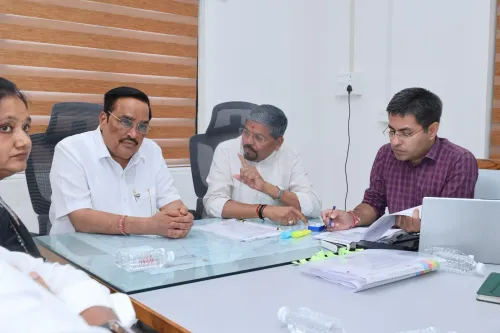
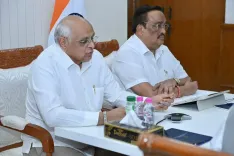
Tens of millions of lives hinge on what happens when the Ganga floods — and on Tuesday, 27 October 2026, Union Jal Shakti Minister C. R. Paatil convened the 19th meeting of the Ganga Flood Control Board (GFCB) in New Delhi to push harder on that existential challenge. The gathering brought together senior political leaders from multiple Ganga basin states and central ministries for what the minister described as a detailed, action-oriented discussion on lasting flood solutions.
Who Was in the Room — and Why It Matters
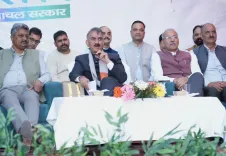
The attendance list alone signals how seriously the Centre is treating this meeting. West Bengal Chief Minister Shri Suvendu Adhikari, Bihar Deputy Chief Minister Shri Vijay Kumar Chaudhary, Uttar Pradesh Jal Shakti Minister Shri Swatantra Dev Singh, and Union Minister of State for Agriculture and Farmers' Welfare Shri Ramnath Thakur were all present, alongside senior officials from Ganga basin states, central ministries, and relevant institutions.
That combination — a state chief minister, a deputy CM, a state water minister, and a Union MoS — in a single flood-management meeting is unusual. It reflects the federal complexity of the Ganga basin, which cuts through Uttarakhand, Uttar Pradesh, Bihar, Jharkhand, and West Bengal before reaching the Bay of Bengal. No single state can solve the problem alone; coordination at this level is the only way forward.
Permanent Fixes, Not Seasonal Patches: What the Agenda Covered
Paatil said discussions at the meeting focused on 'sthayi samadhan' (permanent solutions) to flood and riverbank erosion in the Ganga basin — a deliberate shift in language from reactive relief to structural prevention. The agenda covered effective flood management, improved inter-state coordination, and long-term planning across the basin.
Crucially, the minister said he issued directions for time-bound action on stakeholder suggestions and for the effective implementation of ongoing schemes. In the world of inter-state river governance, where committees frequently meet and recommendations pile up unacted upon, that explicit emphasis on deadlines is a meaningful signal.
The GFCB at 54 — From Advisory Body to Action Coordinator
The Ganga Flood Control Board was constituted in 1972, making it over five decades old. Its original mandate was to advise on flood control and erosion measures across basin states — a role that has grown substantially as climate variability intensifies monsoon extremes. India's broader federal water governance relies on basin-level boards like the GFCB to bridge central policy and state execution.
The present government has layered on the Namami Gange programme — launched in 2014-15 — which includes riverbank stabilisation and flood-related components alongside its better-known pollution-reduction work. The GFCB meeting sits within that larger ecosystem of Ganga rejuvenation.
Modern Tech, Central-State Coordination: Paatil's Pledge
Invoking Prime Minister Narendra Modi's leadership, Paatil framed the government's resolve clearly: deploy modern technology, better planning, and Centre-state coordination to minimise flood damage and make the lives and livelihoods of crores of citizens in the Ganga basin more secure. The reference to technology points toward the growing use of satellite-based early-warning systems and real-time river-monitoring networks that have been progressively integrated into India's flood-response architecture.
Flood losses in the Ganga basin are not a seasonal inconvenience — they represent a recurring economic and humanitarian shock that erodes agricultural productivity, destroys infrastructure, and displaces communities year after year. Any measurable reduction in that toll would be consequential at scale.
The real test now lies in the gap between the conference room and the riverbank — and whether the time-bound directions issued today translate into funded, executed schemes before the next monsoon arrives.
Point of View
Held with an unusually high-profile attendance of state leaders, reflects the Modi government's effort to convert Ganga management from a technical advisory function into a politically accountable inter-governmental exercise. Paatil's emphasis on 'time-bound action' and 'permanent solutions' signals an attempt to break the chronic implementation gap that has dogged India's flood governance for decades. The inclusion of West Bengal's chief minister is particularly notable given the state's historically contentious relationship with Centre-led river management bodies, suggesting a degree of federal buy-in that could prove significant for downstream flood mitigation. Whether this translates into measurable outcomes will depend on Budget allocations and state-level execution — both of which remain to be tested.
NationPress
27 Oct 2026
Frequently Asked Questions
What is the Ganga Flood Control Board (GFCB)?
The Ganga Flood Control Board is an inter-state body constituted in 1972 to coordinate flood control and riverbank erosion measures across Ganga basin states, including Uttarakhand, Uttar Pradesh, Bihar, Jharkhand, and West Bengal. It advises on planning and implementation of flood mitigation works.
What was discussed at the 19th GFCB meeting on 27 October 2026?
The meeting, chaired by Union Jal Shakti Minister C. R. Paatil, focused on permanent solutions to floods and riverbank erosion in the Ganga basin, effective flood management, better inter-state coordination, and long-term planning. Directions were issued for time-bound action on stakeholder suggestions.
Who attended the 19th GFCB meeting?
Senior leaders present included West Bengal Chief Minister Suvendu Adhikari, Bihar Deputy Chief Minister Vijay Kumar Chaudhary, Uttar Pradesh Jal Shakti Minister Swatantra Dev Singh, Union MoS for Agriculture Ramnath Thakur, and senior officials from Ganga basin states and central ministries.
What is the Namami Gange programme and how does it relate to flood control?
Namami Gange is a flagship Central government programme launched in 2014-15 primarily for Ganga rejuvenation and pollution reduction. It also includes riverbank stabilisation and flood-related components that complement the GFCB's flood management mandate.
What is C. R. Paatil's role in flood management?
C. R. Paatil is the Union Minister of Jal Shakti, the Central ministry responsible for water resources, river development, and Ganga rejuvenation. As minister, he chairs key bodies like the GFCB and oversees policy coordination between Centre and basin states on flood control.