Jal Shakti Minister Paatil hails Modi as longest-serving elected PM
Synopsis
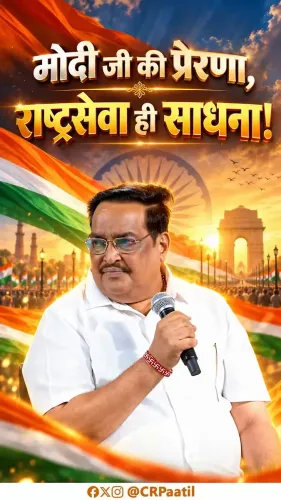
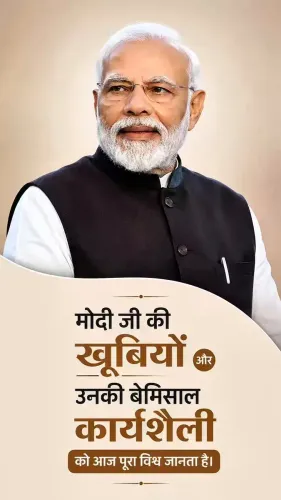
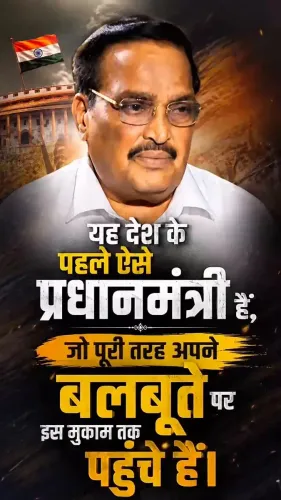
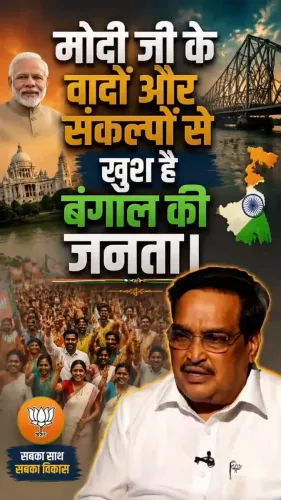
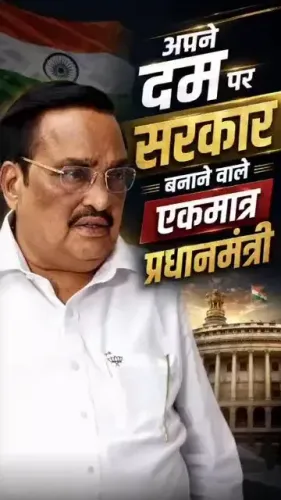
Union Jal Shakti Minister C. R. Paatil on 10 June 2026 paid tribute to PM Narendra Modi on X, marking 4,399 days of uninterrupted elected tenure and calling the milestone a reflection of India's democratic trust, citing Antyodaya, women's empowerment, infrastructure, and the Atmanirbhar Bharat vision.
Key Takeaways
Union Jal Shakti Minister C.
Paatil posted a tribute on X on 10 June 2026 honouring PM Narendra Modi .
Paatil described the milestone as 4,399 days of continuous elected tenure, calling Modi India's longest-serving elected Prime Minister.
The minister cited Antyodaya , women's empowerment, modern infrastructure, innovation and Atmanirbhar Bharat as defining pillars of the tenure.
The post was hashtagged #LongestServingElectedPMModi and #ViksitBharat , linking the milestone to the government's 2047 development vision.
Modi first assumed office on 26 May 2014 and was re-elected in May 2019 , creating the uninterrupted tenure being marked.
The tribute reflects a recurring BJP communication pattern of framing policy continuity as evidence of a sustained electoral mandate.
Union Jal Shakti Minister C. R. Paatil on Wednesday, 10 June 2026 paid tribute to Prime Minister Narendra Modi, marking what the minister described as 4,399 days of continuous elected tenure — saluting the milestone as a reflection of the Indian people's 'unbroken trust, hopes and participation' in democratic governance.
Context
Posting on X in Hindi, Paatil framed the occasion not as a personal achievement for the Prime Minister but as a collective national milestone. 'भारत के लोकतांत्रिक इतिहास में… देश के सबसे लंबे समय तक निर्वाचित प्रधानमंत्री' ('In India's democratic history… the longest-serving elected Prime Minister of the country'), he wrote, adding that the journey of 4,399 days is 'an inspiring story of a continuously advancing India, driven by service, good governance, dedication and the spirit of Nation First.'
Paatil is a senior BJP leader, former Gujarat state president and a cabinet minister who has consistently amplified the central government's messaging on governance milestones. His post carried the hashtags #LongestServingElectedPMModi and #ViksitBharat, situating the tribute within the ruling party's broader 'Developed India by 2047' narrative.
Policy Backdrop
Narendra Modi was first sworn in as Prime Minister on 26 May 2014 following the BJP's decisive general-election victory, and was re-elected for a second consecutive term in May 2019, extending an uninterrupted tenure that has surpassed earlier elected-PM records in independent India.
Paatil's post specifically highlighted several policy pillars of that tenure: the Antyodaya commitment to the last person in the queue, women's empowerment and dignity, modern infrastructure expansion, promotion of innovation, and the Atmanirbhar Bharat self-reliance drive. The Atmanirbhar Bharat Abhiyan, announced in May 2020, encompassed economic reforms, manufacturing incentives and reduced import dependence across sectors.
The tribute also invoked the Viksit Bharat vision — the government's articulated goal of a fully developed India by 2047, tied to long-term targets in infrastructure, innovation and governance delivery.
Stakeholders and Impact
The messaging is directed at a broad base: Indian citizens, rural households and women beneficiaries who are positioned as both the mandate-givers and the primary beneficiaries of the policies cited. Central ministers publicly marking such milestones is a recurring pattern in BJP's communication strategy, linking personal longevity in office to measurable administrative continuity.
For stakeholders in the water sector, Paatil's own portfolio — the Jal Shakti Ministry — sits at the intersection of several flagship welfare programmes, including the Jal Jeevan Mission, which targets tap-water connections to rural households. His tribute implicitly underscores the ministry-level implementation that he argues has been made possible by stable, long-term leadership.
What's Next
With BJP's governance narrative increasingly anchored to the Viksit Bharat 2047 roadmap, such milestone communications are likely to intensify ahead of parliamentary budget discussions and any new announcements on flagship scheme timelines. Observers will watch whether the Jal Jeevan Mission and Atmanirbhar Bharat programmes receive fresh implementation targets or funding updates in the coming legislative calendar — the metrics that will ultimately test the governance claims embedded in today's tribute.
Point of View
Where senior ministers translate electoral longevity into a policy legitimacy argument. By foregrounding Antyodaya, women's empowerment and Atmanirbhar Bharat alongside the 4,399-day figure, the tribute attempts to convert a numerical record into a governance scorecard. This pattern — personal tenure linked to national progress metrics — has been a consistent feature of BJP messaging since 2014 and is likely to intensify as the party builds toward the Viksit Bharat 2047 narrative ahead of future electoral cycles. The choice of a cabinet minister with a welfare-heavy portfolio to lead this messaging reinforces the government's emphasis on last-mile delivery as its central legitimacy claim.
NationPress
26 Oct 2026
Frequently Asked Questions
How many days has Narendra Modi served as Prime Minister of India?
According to Union Jal Shakti Minister C. R. Paatil's post on 10 June 2026, PM Narendra Modi has completed 4,399 days as Prime Minister, which Paatil described as the longest continuous tenure by an elected Prime Minister in India's democratic history.
When did Narendra Modi first become Prime Minister of India?
Narendra Modi was first sworn in as Prime Minister of India on 26 May 2014 following the BJP's victory in the general election, and was re-elected for a second consecutive term in May 2019.
What is Viksit Bharat and how does it relate to Modi's tenure?
Viksit Bharat is the Indian government's vision for a fully developed India by 2047, tied to long-term targets in infrastructure, innovation and governance. BJP leaders, including Paatil, have linked Modi's extended tenure to the continuity required to achieve this goal.
What is Atmanirbhar Bharat Abhiyan?
Atmanirbhar Bharat Abhiyan is a self-reliance initiative announced in May 2020 that encompasses economic reforms, manufacturing incentives and measures to reduce India's import dependence across sectors. It is one of the key policy pillars cited by Paatil in his tribute.
Who is C. R. Paatil and why did he post this tribute?
C. R. Paatil is the Union Minister of Jal Shakti, a senior BJP leader and former Gujarat state president. He posted the tribute on X on 10 June 2026 to mark what he described as PM Modi's milestone of 4,399 days as India's longest-serving elected Prime Minister.