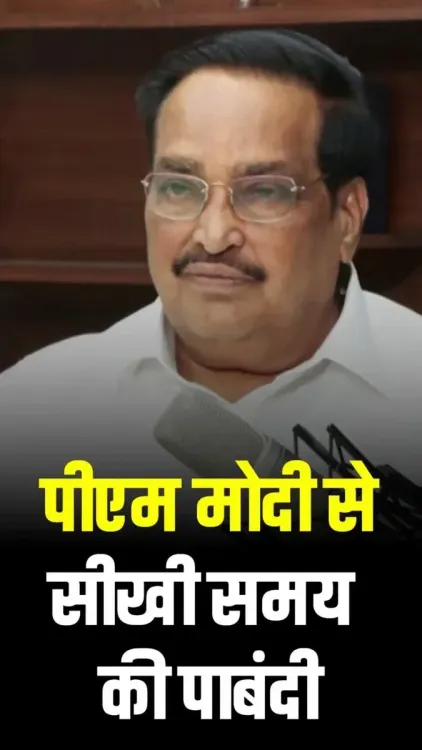
Jal Shakti Minister Paatil praises PM Modi's work ethic
Synopsis
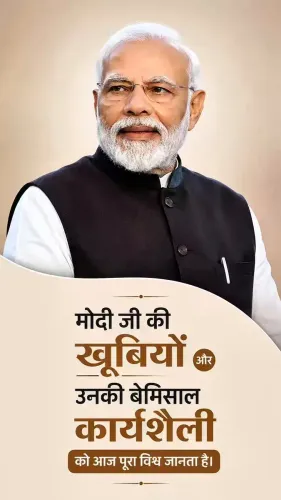
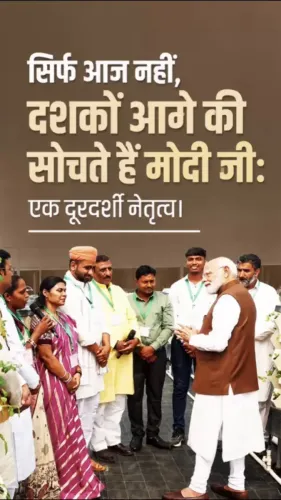
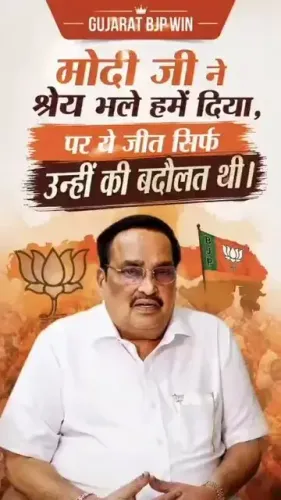
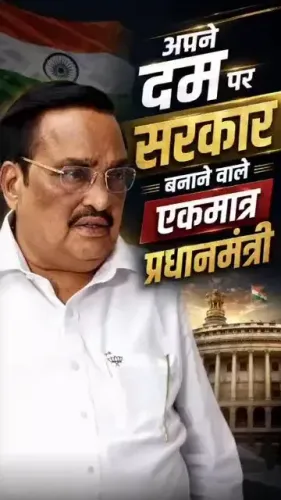
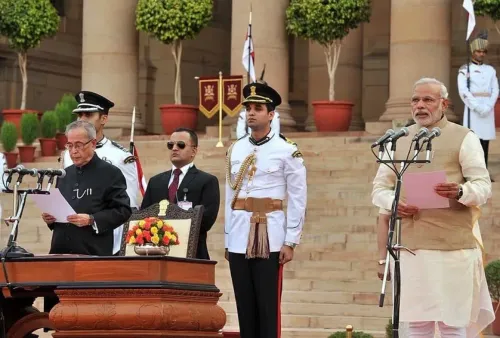
Union Jal Shakti Minister C. R. Paatil on 13 June 2026 praised Prime Minister Narendra Modi's leadership, calling his time discipline, work dedication, and focus on national interest a model for effective governance and success.
Key Takeaways
Union Jal Shakti Minister C.
Paatil posted a tribute to PM Narendra Modi on 13 June 2026 .
Paatil credited Modi's leadership with inspiring time discipline, dedication to work, and continuous industriousness.
He described 'respect for time' as the cornerstone of success and effective leadership.
Keeping national interest supreme and making best use of every moment was cited as Modi's defining personality trait.
The tribute continues a consistent pattern of BJP ministers publicly attributing governance discipline to the Prime Minister's personal example since 2014 .
The Ministry of Jal Shakti , which Paatil heads, oversees time-sensitive flagship programmes such as Jal Jeevan Mission .
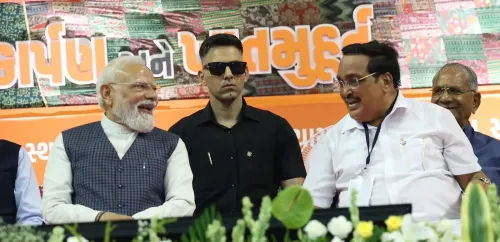
Union Jal Shakti Minister C. R. Paatil on Saturday, 13 June 2026, paid a public tribute to Prime Minister Narendra Modi, crediting his leadership style as a source of inspiration for time discipline, dedication to work, and continuous industry in public service.
Context
Posting in Hindi on X, Minister Paatil wrote that 'प्रधानमंत्री श्री नरेंद्र मोदी जी के नेतृत्व से समय के प्रति अनुशासन, कार्य के प्रति समर्पण और निरंतर कर्मशीलता की प्रेरणा मिलती है' — 'Prime Minister Narendra Modi's leadership inspires discipline towards time, dedication to work, and continuous industriousness.' He further noted that Modi's working style teaches that 'respect for time is the cornerstone of success and effective leadership,' and that making the best use of every moment while keeping national interest supreme is a defining characteristic of the Prime Minister's personality.
Paatil, a senior Bharatiya Janata Party (BJP) leader and former president of the BJP Gujarat unit, is among the party's prominent voices on governance and administrative efficiency. His post carried the Indian tricolour emoji, underscoring the nationalist framing of the tribute.
Policy Backdrop
The emphasis on time-bound, disciplined governance has been a recurring theme of the BJP-led government since it came to power in May 2014. The government's declaration of 25 December as Good Governance Day was an early institutional signal of this priority, linking efficient administration to the personal example set by the Prime Minister.
Union ministers have periodically issued public statements attributing administrative outcomes and governance discipline to Modi's personal work ethic. This pattern of messaging has remained consistent across more than a decade and forms part of the party's broader communication strategy on governance efficiency and national-interest prioritisation.
Stakeholders and Impact
Such statements primarily address two audiences: BJP functionaries and central government ministers who take cues on administrative culture from the party's top leadership, and the broader public that follows governance discourse. By framing time discipline as a leadership virtue modelled from the top, the messaging reinforces internal party norms around punctuality and work output.
For civil servants and scheme implementers, the consistent reiteration of time-bound governance by senior ministers signals continued emphasis on deadline-driven programme delivery across central government departments, including Paatil's own Ministry of Jal Shakti, which oversees flagship water-supply and sanitation programmes.
What's Next
Similar tributes from other Union ministers are likely to follow, particularly ahead of major scheme reviews or party events. Observers will watch whether such messaging coincides with new administrative guidelines on time-bound project monitoring or upcoming reviews of Jal Jeevan Mission and related water-sector targets. The consistency of this communication pattern suggests it will remain a staple of the ruling party's governance narrative in the months ahead.
Point of View
Senior ministers simultaneously reinforce internal party culture and signal to the bureaucracy that deadline-driven delivery remains non-negotiable. For Paatil, who heads a ministry with ambitious water-supply targets, the messaging also lends political cover to the pace of scheme implementation. The consistency of such statements across ministerial ranks suggests this is coordinated brand-building rather than spontaneous admiration.
NationPress
13 Sept 2026
Frequently Asked Questions
What did C. R. Paatil say about PM Modi on 13 June 2026?
C. R. Paatil said PM Modi's leadership inspires time discipline, work dedication, and continuous industriousness, and that respect for time is the cornerstone of success and effective leadership.
Who is C. R. Paatil?
C. R. Paatil is the Union Minister of Jal Shakti and a senior BJP leader who previously served as president of the BJP Gujarat state unit.
Why do BJP ministers regularly praise PM Modi's work ethic?
BJP ministers have consistently highlighted PM Modi's time discipline and work ethic since 2014 as part of the party's governance-efficiency narrative, reinforcing both internal party culture and public messaging on disciplined administration.
What is the Ministry of Jal Shakti?
The Ministry of Jal Shakti is a Union government ministry responsible for water supply, sanitation, and river management, overseeing flagship programmes such as Jal Jeevan Mission.
What is Good Governance Day in India?
Good Governance Day is observed on 25 December each year, declared by the BJP-led government after 2014 to highlight efficient, time-bound administration aligned with the Prime Minister's working style.