Jal Shakti Minister C. R. Paatil marks World Bicycle Day
Synopsis
Union Jal Shakti Minister C. R. Paatil greeted citizens on World Bicycle Day, calling the bicycle a powerful step toward healthier living, a cleaner environment and a better future, and urging Indians to integrate cycling into their daily routines.
Key Takeaways
Union Jal Shakti Minister C.
Paatil posted a World Bicycle Day message on 3 June .
He described the bicycle as a step toward health, clean environment and a better future.
The post, in Hindi, urged citizens to make cycling part of their daily routine.
World Bicycle Day was instituted by UN General Assembly resolution 72/272 in 2018 .
The message precedes World Environment Day on 5 June .
Union Jal Shakti Minister C. R. Paatil on Wednesday, 3 June, extended greetings on World Bicycle Day, urging citizens to embrace cycling as a daily habit to advance personal health and environmental goals. In a post on X, the senior Bharatiya Janata Party (BJP) leader framed the bicycle as a symbol of sustainable living and a step towards a cleaner future.
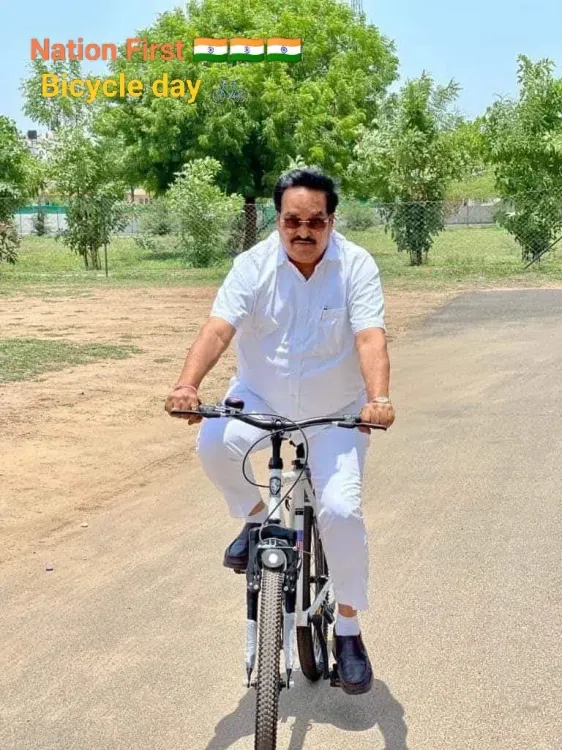
'A bicycle is not merely a mode of transport, but a powerful step towards a healthy life, a clean environment and a better future. Let us make cycling a part of our daily routine,' the minister wrote in Hindi, closing the message with the hashtag #WorldBicycleDay. The post was accompanied by an image.
Context
World Bicycle Day is observed every 3 June following a United Nations General Assembly resolution (72/272) adopted in 2018. The observance recognises the bicycle as a simple, affordable, reliable and environmentally fit means of transport, and encourages member states to integrate cycling into development policies and programmes.
Ministerial messages on UN-designated days have become a regular feature of public communication in India, often serving to align domestic policy narratives with global commitments on health, climate and sustainable mobility.
Policy backdrop
Mr Paatil's emphasis on a 'clean environment' echoes the broader behavioural-change framework popularised through the Swachh Bharat Mission, launched in 2014, which has linked individual citizen action with national environmental outcomes. Cycling advocacy fits within India's wider push on low-carbon mobility, an area that intersects with the country's commitments under the Paris Agreement.
Several Indian cities have, in recent years, experimented with dedicated cycling lanes, public bicycle-sharing systems and non-motorised transport plans, often under the umbrella of urban renewal programmes such as the Smart Cities Mission. The minister's appeal arrives against this backdrop of policy attention to last-mile connectivity and pollution control.
Stakeholders and impact
The message is pitched primarily at urban residents and health-conscious citizens, two cohorts most likely to integrate cycling into commutes or fitness routines. Public health practitioners have long advocated active mobility as a counter to rising rates of lifestyle disease, while environmental groups view a shift away from private motor vehicles as central to reducing air pollution in Indian cities.
As Union Jal Shakti Minister, Mr Paatil's portfolio is anchored in water resources and sanitation, but his outreach on cycling reflects the cross-cutting nature of environmental messaging within the Union Cabinet. A former BJP Gujarat state president, he has frequently used X to amplify government priorities on sustainability and public welfare.
What's next
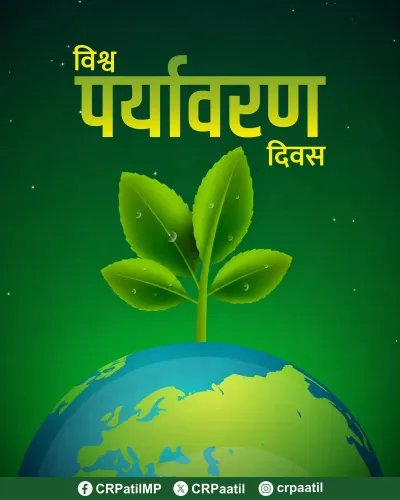
The cycling message comes two days ahead of World Environment Day on 5 June, when central ministries typically roll out a fresh round of climate and conservation communications. Observers will watch for any follow-up announcements on cycling infrastructure, dedicated lanes, or public bicycle-sharing tie-ins from state governments and urban local bodies in the days that follow.
For now, the minister's note functions as a soft-power nudge — reinforcing that sustainable mobility, however modest in form, remains part of the government's public conversation on health and the environment.
Point of View
Even outside their core portfolio. The framing — health, clean environment, better future — sits comfortably within the government's larger behavioural-change vocabulary, from Swachh Bharat to climate-action outreach. With World Environment Day following on 5 June, expect a coordinated cadence of similar messaging across ministries. The substantive test, as always, will lie in whether cycling infrastructure on the ground keeps pace with the rhetoric.
NationPress
21 Oct 2026
Frequently Asked Questions
When is World Bicycle Day observed?
World Bicycle Day is observed every year on 3 June. It was established by the United Nations General Assembly through resolution 72/272 in 2018 to recognise the bicycle as a sustainable, affordable means of transport.
What did C. R. Paatil say on World Bicycle Day?
Union Jal Shakti Minister C. R. Paatil said the bicycle is not merely a mode of transport but a powerful step toward a healthy life, clean environment and a better future, and urged citizens to make cycling part of their daily routine.
Which portfolio does C. R. Paatil hold in the Union Cabinet?
C. R. Paatil holds the Jal Shakti portfolio in the Union Cabinet. He is a senior BJP leader and previously served as president of the party's Gujarat state unit.
Why does the Indian government promote cycling?
The Indian government promotes cycling as part of broader efforts on public health, air-quality improvement and low-carbon mobility. Cycling is linked to urban initiatives such as the Smart Cities Mission and to India's climate commitments under the Paris Agreement.
What is the significance of UN resolution 72/272?
UN General Assembly resolution 72/272, adopted in 2018, formally declared 3 June as World Bicycle Day. It encourages member states to integrate cycling into transport, health and development policies.