Jal Shakti Minister Paatil Wishes Dharmendra Pradhan on Birthday

Synopsis
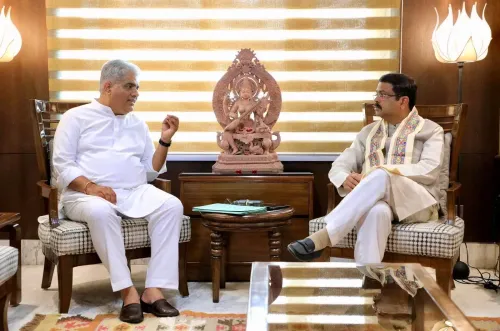
Union Jal Shakti Minister C. R. Paatil on 26 June 2026 wished Education Minister Dharmendra Pradhan on his birthday, lauding his role in implementing NEP 2020, skill development, and research under PM Modi's leadership.
Key Takeaways
Paatil , Union Minister of Jal Shakti, posted birthday greetings for Dharmendra Pradhan on 26 June 2026 .
Paatil praised Pradhan's contribution to the 'effective implementation' of the National Education Policy (NEP) 2020 .
The message specifically cited skill development, research, and innovation as areas of Pradhan's notable contribution.
NEP 2020 was approved by the Union Cabinet in July 2020 , replacing the National Policy on Education 1986 .
The post reflects routine cross-ministerial solidarity within the BJP-led NDA government around a flagship education reform.
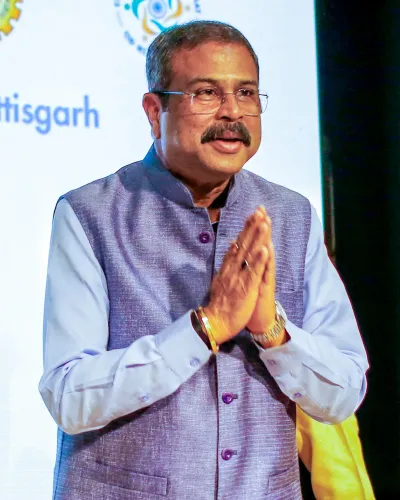
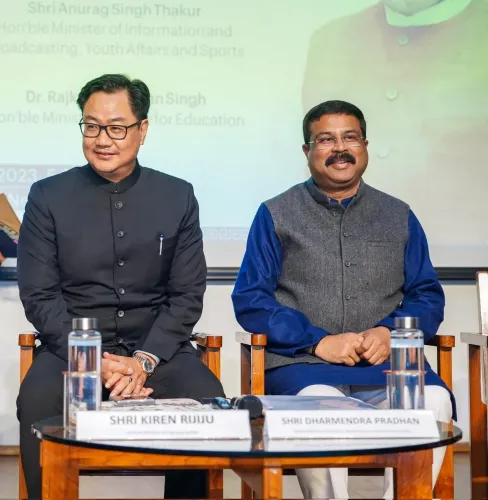
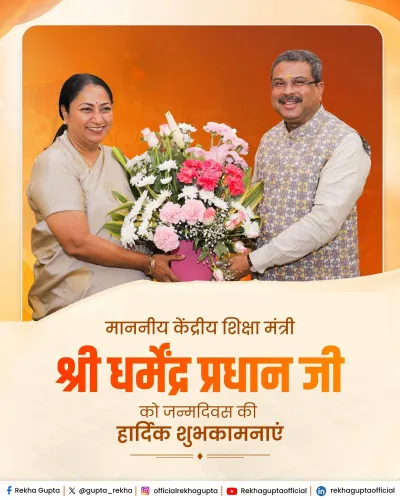
Union Jal Shakti Minister C. R. Paatil extended birthday greetings to Union Education Minister Dharmendra Pradhan on Friday, 26 June 2026, praising his contributions to the implementation of the National Education Policy (NEP) 2020 and India's education reform agenda under Prime Minister Narendra Modi.
What the Message Said
Posting in Hindi on X, Paatil conveyed 'जन्मदिन की हार्दिक शुभकामनाएँ' (heartfelt birthday wishes) to Pradhan and acknowledged his role in the 'effective implementation of the New National Education Policy, quality education, skill development, research and innovation.' He also offered a prayer for Pradhan's good health, long life, and continued opportunities to serve the nation.
The post tagged Pradhan's official handle @dpradhanbjp and carried no accompanying media.
Context
Dharmendra Pradhan has served as Union Minister of Education and has been the principal political face of rolling out NEP 2020 — the most sweeping overhaul of India's education framework since the National Policy on Education 1986. The policy was approved by the Union Cabinet in July 2020 and covers school and higher education, emphasising multidisciplinary learning, mother-tongue instruction at early levels, skill integration, and a stronger research ecosystem.
Paatil's message specifically highlighted Pradhan's work under Prime Minister Narendra Modi's leadership, framing the education reforms as a shared NDA government priority rather than a departmental achievement alone.
Policy Backdrop
NEP 2020 replaced a four-decade-old framework and has been positioned by successive Modi administrations as a cornerstone of the Atmanirbhar Bharat vision — linking modern schooling and higher education to national goals of self-reliance, innovation, and global competitiveness. Key pillars include a restructured 5+3+3+4 school curriculum, the establishment of a higher education regulator, and a target of 50 per cent gross enrolment ratio in higher education by 2035.
Skill development and research promotion, which Paatil's message specifically cited, have been among the more contested aspects of implementation, with states at varying stages of adoption.
Stakeholders and Impact
The primary beneficiaries of NEP's rollout are students and educators across India's school and university systems — a constituency numbering in the hundreds of millions. State governments hold significant responsibility for translating the central policy framework into classroom-level change, making cross-governmental solidarity, as expressed in messages like Paatil's, a soft signal of continued political backing.
For the BJP-led NDA government, public affirmations of NEP's progress by senior ministers serve to reinforce the policy's status as a flagship reform ahead of any legislative or budgetary milestones in education.
What's Next
Attention will remain on state-level adoption of NEP provisions and any new funding or regulatory announcements for higher education and research in the next Union Budget or parliamentary session. Pradhan's continued stewardship of the education portfolio will be closely watched as the government moves toward the policy's medium-term targets.
Point of View
But the specific mention of NEP 2020 implementation, skill development, and research signals that senior BJP ministers are actively reinforcing the policy's political salience ahead of potential budget or legislative milestones. Cross-ministerial endorsements of this kind serve a dual purpose: they project governmental unity and keep flagship schemes in public discourse without requiring a formal announcement. For Pradhan, such visible peer validation from a senior Gujarat BJP figure also carries weight within the party's internal hierarchy. The broader pattern suggests the Modi government intends to keep NEP 2020 front and centre as a reform legacy marker through the current term.
NationPress
24 Sept 2026
Frequently Asked Questions
Why did C. R. Paatil wish Dharmendra Pradhan on social media?
C. R. Paatil posted birthday greetings for Dharmendra Pradhan on X on 26 June 2026, praising his work on NEP 2020, skill development, and research under PM Modi's leadership.
What is the National Education Policy 2020?
NEP 2020 is a comprehensive education reform framework approved by the Union Cabinet in July 2020, replacing the 1986 policy. It emphasises multidisciplinary learning, skill development, research, and a target of 50 per cent gross enrolment in higher education by 2035.
Who is Dharmendra Pradhan?
Dharmendra Pradhan is the Union Minister of Education and has been the principal minister overseeing the rollout of NEP 2020, including reforms in higher education and skill development.
Who is C. R. Paatil?
C. R. Paatil is the Union Minister of Jal Shakti and a senior BJP leader who previously served as Gujarat BJP state president.
What is the current status of NEP 2020 implementation in India?
NEP 2020 implementation is ongoing, with states at varying stages of adoption. Key areas including skill integration, higher education regulation, and research promotion continue to be rolled out under the Education Ministry's oversight.