Do Padma Awards Under Modi Government Showcase Political Integrity Over Bias?
Synopsis
The Padma Awards have evolved under the Modi government, showcasing a commitment to political integrity rather than bias. This year’s awards highlight diverse talents recognized for their contributions across various fields. Discover how these honors reflect a shift from past practices.
Key Takeaways
Padma Awards have evolved to reflect integrity and merit.
Recognizes contributions across various fields.
Inclusivity is prioritized over political affiliations.
Noteworthy awardees include leaders from diverse backgrounds.
Significant shifts in award selection have been noted since 2014.
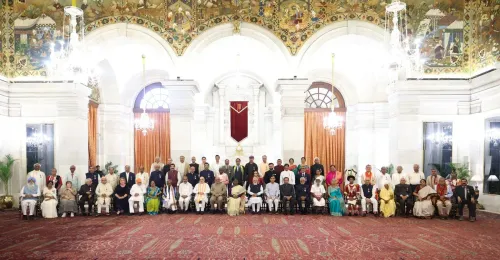
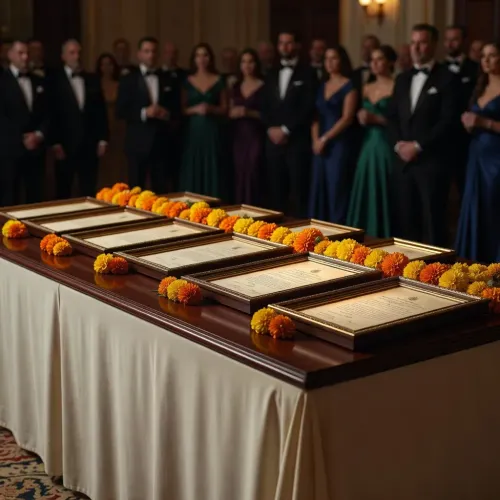
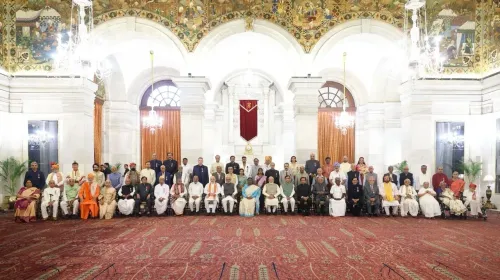
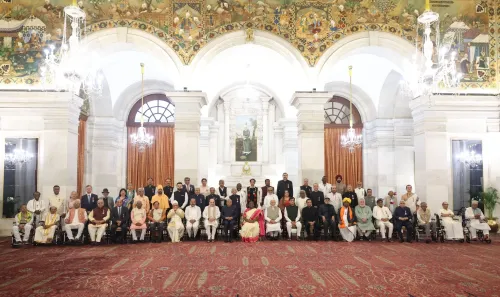
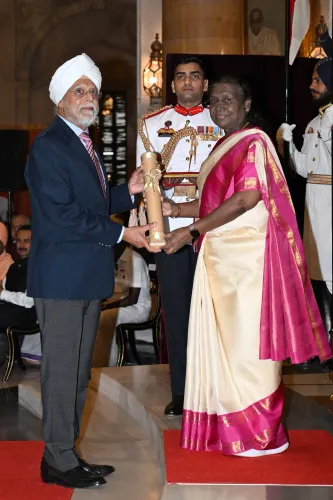
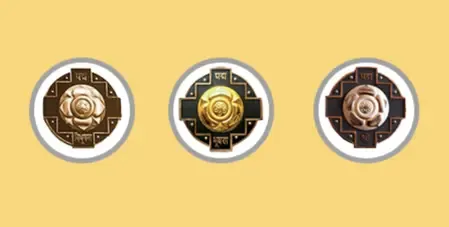
New Delhi, Jan 26 (NationPress) President Droupadi Murmu unveiled the Padma award recipients ahead of the 77th Republic Day festivities, honoring the exceptional and persistent contributions of notable citizens across various disciplines, including art, social work, science, and medicine.
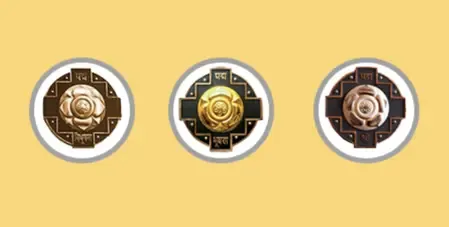
This year's list features 5 Padma Vibhushan, 13 Padma Bhushan, and 113 Padma Shri awardees.
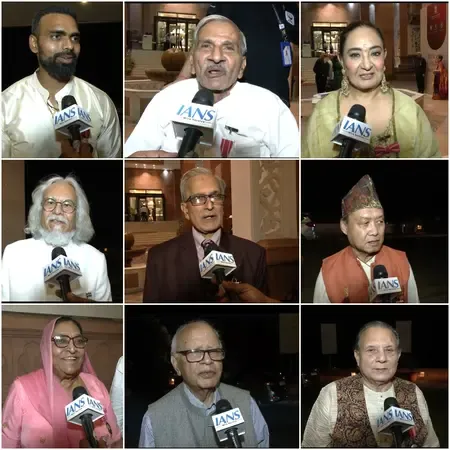
The esteemed awardees, predominantly comprising ‘unsung heroes’, were chosen for their modest yet significant impact on society and human welfare—a theme consistent throughout the Modi administration since 2014. The discernible pattern suggests that integrity and probity have taken precedence over any bias or political affiliations in the selection for India’s highest civilian honors.
The choice of Padma awardees, including Bharat Ratnas over the past decade, reflects a deliberate initiative to honor leaders and icons from a variety of fields based on their contributions rather than their political or ideological ties.
In the last ten years, numerous leaders from opposition parties and those with stark ideological differences have graced the Padma awards list. In contrast, such a trend was non-existent during the Congress-led administrations, where awards were often reserved for those aligned with their political ideology.
This year, the late former Kerala Chief Minister and veteran Left leader V. S. Achuthanandan was awarded the Padma Vibhushan posthumously. V Natesan, another Left veteran and tribal leader, along with former Jharkhand Chief Minister Shibu Soren, received the Padma Bhushan for their political contributions.
In previous years, recipients also included leaders from opposition and rival parties.
In 2023, Samajwadi Party patriarch and former Uttar Pradesh CM Mulayam Singh Yadav was posthumously honored with the Padma Vibhushan, and in 2021, former Jammu and Kashmir CM and Congress stalwart Ghulam Nabi Azad received the Padma Bhushan. Veteran Congressman and former Assam CM Tarun Gogoi was also awarded the Padma Bhushan posthumously that year.
In the previous decade, various leaders from the opposition have been similarly recognized with the highest civilian awards. NCP chief Sharad Pawar received the Padma Bhushan in 2017, while former Lok Sabha Speaker P. A. Sangma was posthumously awarded the Padma Vibhushan the same year. Buddhadeb Bhattacharjee, CPI(M) leader and former West Bengal CM, was also nominated for the Padma Bhushan but declined the honor.
In addition to the Padma Awards, India’s top civilian honor, Bharat Ratna, has also been awarded to individuals with strong ideological differences from the ruling party. Since 2014, a total of 10 prominent personalities have received this prestigious award.
In 2015, former Prime Minister Atal Bihari Vajpayee and educator Madan Mohan Malaviya were bestowed with the Bharat Ratna. In 2019, former President and Congress veteran Pranab Mukherjee along with cultural icon Bhupen Hazarika were honored with the highest civilian award.
The year 2024 marked a significant milestone, with five Bharat Ratnas announced, including socialist leader Karpoori Thakur, Congress veteran and former Prime Minister P V Narasimha Rao, ex-PM Chaudhary Charan Singh, agricultural scientist Dr M S Swaminathan, and BJP stalwart Lal Krishna Advani.
While the Padma Awards are granted based on the recommendations of the Padma Awards committee, formed annually by the Prime Minister, they have long faced scrutiny over allegations of favoritism and political messaging.
The significant shift seen during the Modi administration in awarding the nation’s civilian honors illustrates how the selection process has moved beyond ideological divides, emphasizing merit over bias.
Point of View
I believe that the Padma Awards' evolution under the Modi government marks a significant shift towards recognizing merit and integrity. It's crucial for our nation to honor individuals based on their contributions to society rather than political affiliations, showcasing a more inclusive and fair approach to national recognition.
NationPress
11 Oct 2026
Frequently Asked Questions
What are the Padma Awards?
The Padma Awards are India's highest civilian honors, recognizing exceptional contributions in various fields like art, social work, science, and medicine.
Who announced the Padma awardees for 2024?
President Droupadi Murmu announced the Padma awardees on January 26, 2024, coinciding with the 77th Republic Day celebrations.
How many Padma awards were given this year?
This year, there were 5 Padma Vibhushan, 13 Padma Bhushan, and 113 Padma Shri awardees.
What changes have occurred in the Padma award selection process?
Under the Modi government, the selection process has shifted towards recognizing merit and contributions rather than political affiliations.
Who were some notable awardees in past years?
Notable awardees include former Prime Ministers, cultural icons, and leaders from various political backgrounds, highlighting a commitment to inclusivity.