Can Weak Growth and Fractious Politics Hinder Pakistan's Stability?
Synopsis
As Pakistan navigates a precarious economic landscape, backed by an IMF loan, the challenges posed by weak growth and contentious politics raise questions about the sustainability of this stability. The clock is ticking as reforms hang in the balance.
Key Takeaways
IMF Loan: Pakistan secured a $7 billion loan for economic stability.
Growth Challenges: Real GDP growth remains low, impacting living standards.
Political Opposition: Criticism of IMF policies is rising among the public.
Historical Context: Pakistan's frequent reliance on the IMF raises concerns.
Future Outlook: Political pressures may affect adherence to reforms.
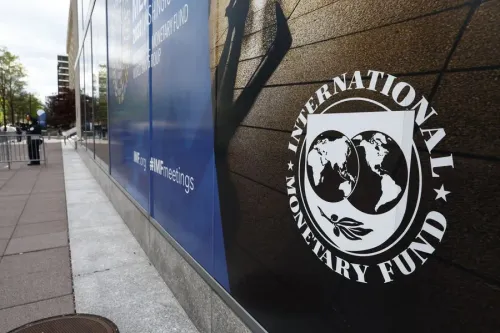
New Delhi, Feb 22 (NationPress) Although the IMF loan has temporarily rescued Pakistan from a severe economic crisis, the combination of fragile growth and contentious internal politics indicates that maintaining this period of stability may be challenging in the medium term, as outlined in a recent article.
In September 2024, the IMF sanctioned a $7 billion Extended Fund Facility aimed at restoring macroeconomic stability and re-establishing policy credibility. To date, Pakistan has received around $3.3 billion under this program. An additional $3.7 billion is set for distribution in semi-annual installments until the end of 2027, contingent upon successful evaluations and ongoing adherence to IMF stipulations. This structure is designed to instill policy discipline, with IMF approval acting as a signal for partners in the Gulf region to provide further financial backing, as highlighted in an IntelliNews article.
In exchange, the authorities have pledged a significant shift towards orthodox macroeconomic management, which encompasses fiscal consolidation and stricter monetary policies.
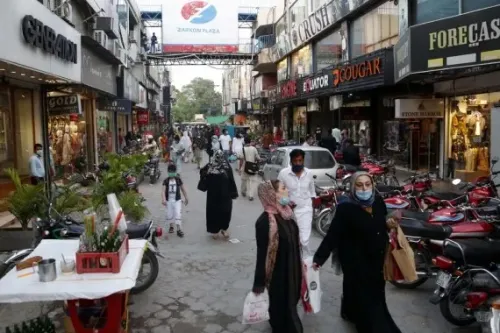
However, this has led to subdued growth. In 2024, the real GDP increased by only 2.4 percent, with an estimated growth of approximately 3.5 percent in 2025. With a population growth rate nearing 2 percent annually, improvements in per-capita income have been minimal, providing little enhancement to living standards, as noted in the article.
This weak economic backdrop complicates the government's reform initiatives. Opposition to IMF-endorsed policies, frequently labeled as anti-growth by critics, has been mounting. Proposed hikes in electricity tariffs, aimed at addressing structural issues in the energy sector, could add roughly 1 percent to inflation in the short term, potentially undermining public support for the program.
Furthermore, Pakistan's extensive history with the IMF offers little assurance. This marks its 24th program since 1958, more than any other nation. The pattern has often involved compliance during crises followed by policy deterioration once pressures subside, only for similar imbalances to resurface years later. While previous arrangements have typically restored short-term stability, they have rarely led to sustainable structural reform or a significant enhancement in long-term growth prospects, the article notes.
Consequently, some political figures have already advocated for an early exit from the current program. However, such calls are unlikely to gain substantial momentum at this time, particularly as Pakistan's external financing requirements remain significant and with the next general election not scheduled until 2029, the government maintains some political leeway to uphold policy discipline.
Thus, the program is set to continue until the end of 2027, and while IMF oversight is in place, compliance with orthodox fiscal and monetary policies is likely. However, once conditionality concludes, the temptation to relax policies or postpone politically sensitive reforms could reemerge, especially if growth continues to disappoint as the election cycle approaches, the article concludes.
Point of View
It's crucial to acknowledge the delicate balance Pakistan must maintain in the face of economic challenges. The government's commitment to reform is commendable, yet the historical context of previous IMF engagements raises concerns. Our coverage will continue to advocate for the nation's long-term stability while ensuring that the voices of the citizens are heard.
NationPress
30 Sept 2026
Frequently Asked Questions
What is the IMF loan's impact on Pakistan?
The IMF loan has temporarily stabilized Pakistan's economy, but challenges such as weak growth and political discord may undermine long-term sustainability.
How much has Pakistan received from the IMF?
Pakistan has received approximately $3.3 billion from the IMF so far, with an additional $3.7 billion scheduled for disbursement until the end of 2027.
What are the implications of rising electricity tariffs?
Increased electricity tariffs could lead to higher inflation and heightened public discontent, complicating the government's reform agenda.
What historical patterns exist with IMF programs in Pakistan?
Pakistan has engaged with the IMF 24 times since 1958, often adhering to reforms during crises but experiencing policy slippage in more stable times.
What lies ahead for Pakistan's economic policies?
While the IMF program continues until 2027, there is a risk that political pressures may lead to a relaxation of necessary reforms if growth remains stagnant.