Is Pakistan in a Love-Hate Relationship with the IMF?
Synopsis
Pakistan's relationship with the IMF is fraught with contradictions, as the country relies on its funds while simultaneously blaming it for economic mismanagement. This article delves into the impact of these dynamics on Pakistan's economy and society, revealing the deep-seated issues that threaten its future.
Key Takeaways
Pakistan's reliance on IMF loans has sparked a wave of criticism.
The country's economic challenges are exacerbated by rising energy costs .
Over 50% of factories in major industrial zones have closed.
The textile sector, crucial for exports, is experiencing severe downturns.
Corporate withdrawals signal a deteriorating investment climate .
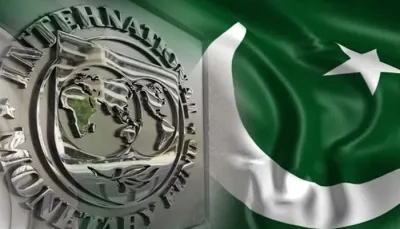
New Delhi, Jan 16 (NationPress) Pakistan finds itself ensnared in what can only be described as a love-hate relationship with the IMF. While the beleaguered nation relies on occasional infusions of IMF funds to stay afloat, it is paradoxically facing intense criticism of the multilateral organization in its own media.
The government is urgently pursuing loans as a critical lifeline to rescue the faltering economy, yet former ministers are pointing fingers at the IMF for exacerbating the country’s economic distress.
An article in The News International asserts: "Pakistan’s prolonged association with the IMF has led to a pattern of systematic devastation: under the guise of stabilization, fiscal tightening, and 'reform', Pakistan has endured a policy mix that has drastically inflated energy prices, imposed regressive taxation, stifled industrial growth, elevated poverty levels, and nudged the economy towards de-industrialization."
The article further suggests that Pakistan’s socio-economic development should have focused on bolstering education, science, technology, and innovation, positioning the country to transition from a low-value, resource-driven economy to a high-value, technology-centric knowledge economy.
However, it claims that the "exact opposite has transpired, creating a significant existential threat: our educational institutions are in ruins, exports have plummeted to around $30 billion from a peak of $35 billion, poverty has surged, and there’s been a mass exodus of skilled youth and industrialists to more favorable conditions abroad."
The article elaborates that over the past five years, Pakistan’s industrial sector has witnessed a severe contraction, with numerous local manufacturing units shutting down due to soaring energy prices, heavy taxation, and widespread policy uncertainty. Business leaders report that over 50 percent of factories in key industrial zones have ceased operations.
Provincial data reflects similar patterns: in Khyber Pakhtunkhwa alone, approximately 795 industrial units have closed in about six years, with a significant number of these closures occurring in the last five years due to unmanageable utility costs and declining investor confidence. The textile industry, traditionally a cornerstone of Pakistan’s exports, has been particularly hard hit: industry insiders estimate that at least 144 textile mills have shut down nationwide, leading to tens of thousands of job losses and diminishing export competitiveness.
The wave of corporate withdrawals from Pakistan includes major players like Microsoft, which is completely shutting down its operations in Pakistan after 25 years, alongside companies such as Careem, Shell, Telenor, Procter & Gamble, and others that are either leaving or reducing their presence amid currency instability, inflation, and regulatory unpredictability. These exits highlight a deteriorating investment atmosphere in which both foreign and domestic businesses find it increasingly arduous to plan long-term, secure funding, and compete with regional counterparts benefitting from more stable policies and cost-effective inputs, the article concludes.
Point of View
Our stance remains clear: while the IMF's assistance is critical for Pakistan's immediate survival, the long-term implications of its policies require serious scrutiny. The focus must shift towards sustainable development that prioritizes education, innovation, and industrial growth, rather than a dependency on external loans.
NationPress
7 Oct 2026
Frequently Asked Questions
What is the relationship between Pakistan and the IMF?
Pakistan has a complicated relationship with the IMF, relying on its loans for economic support while facing criticism for the austerity measures imposed by the fund.
How has the IMF affected Pakistan's economy?
The IMF's policies have led to rising energy costs, regressive taxation, and industrial decline, contributing to increased poverty and economic instability.
What are the current economic challenges facing Pakistan?
Pakistan is facing severe economic challenges, including rising inflation, declining exports, and a mass exodus of skilled labor.
What sectors have been most affected by the economic crisis?
The textile sector has been particularly hard hit, with numerous mills shutting down and significant job losses occurring in the industry.
What should Pakistan focus on for future growth?
Pakistan should prioritize education, technological innovation, and the development of a knowledge-based economy to secure a sustainable future.