Pakistan's secret military-for-cash deal with Saudi Arabia raises alarm
Synopsis
Pakistan is reportedly bartering military muscle — fighter jets, air defence systems, and 8,000 troops — for Saudi cash, all without a parliamentary vote and in direct contrast to its 2015 democratic precedent of refusing to join the Yemen war. With Saudi Arabia holding $8 billion in State Bank deposits and covering up to 35% of Pakistan's oil imports, the arrangement raises urgent questions about whether Islamabad's foreign policy is now effectively leased to Riyadh.
Key Takeaways
Pakistan deployed approximately 8,000 troops , fighter jets, and air defence systems to Saudi Arabia in April 2026 , coinciding with a Saudi pledge of $3 billion in aid.
On 5 October 2026 , Pakistan agreed to accelerate further deployments under a trilateral defence pact — without a parliamentary vote.
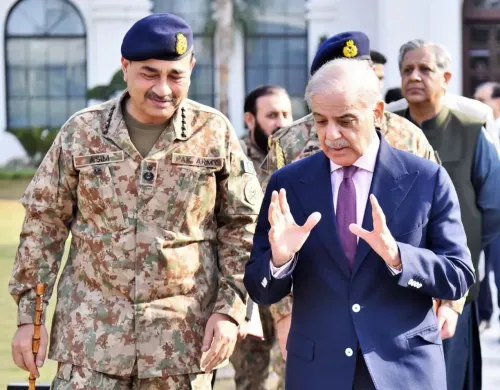
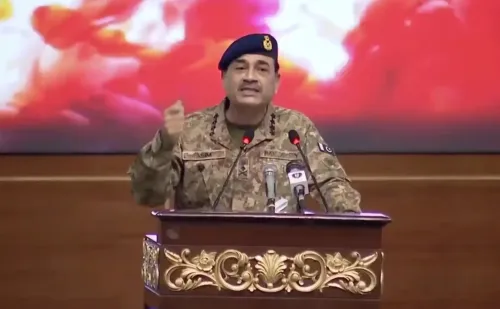
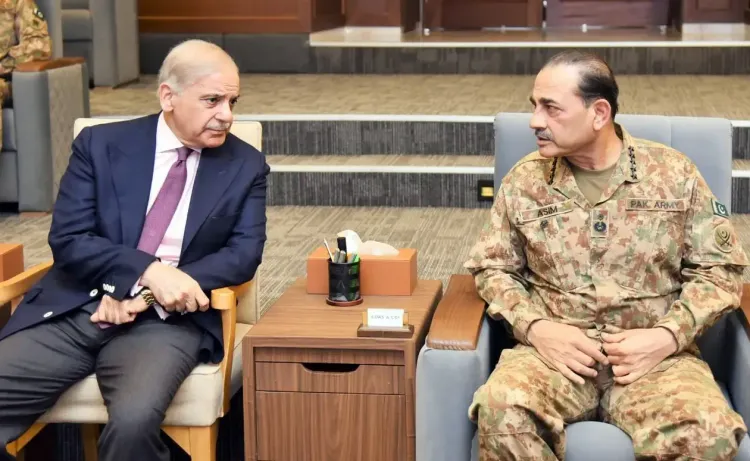
Army chief General Asim Munir is reported to be the key driver of the arrangement, with citizens kept uninformed about its exact terms.
Saudi Arabia holds approximately $8 billion in cash deposits with the State Bank of Pakistan and finances 30–35% of Pakistan's oil imports.
Around 2.7 million Pakistani expatriates in Saudi Arabia send over $8 billion in annual remittances, deepening Islamabad's financial exposure.
In 2015 , Pakistan's Parliament voted against joining the Saudi-led Yemen intervention — a democratic precedent the current deployments appear to sidestep.
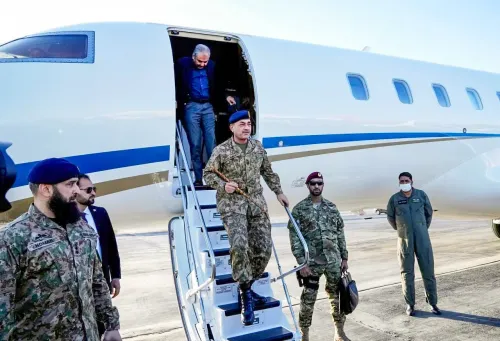
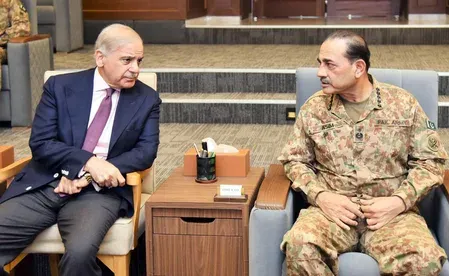
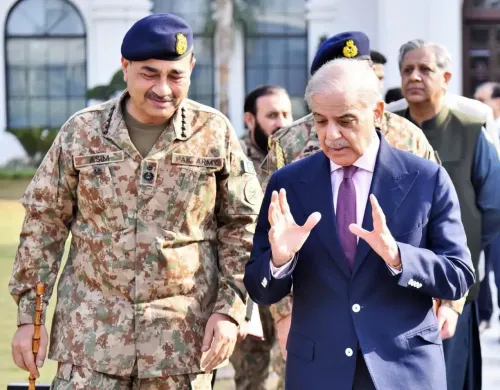
Pakistan's cash-strapped government, in which Army chief General Asim Munir wields decisive influence, is reportedly leveraging its military capabilities to secure critical financial lifelines from Saudi Arabia — while keeping its own citizens largely uninformed about the precise terms of the arrangement, according to a report by PJ Media.
The Deployments and the Money
In April 2026, Pakistan reportedly deployed additional forces to Saudi Arabia, including fighter jets, air defence systems, and approximately 8,000 troops. That deployment coincided with a Saudi pledge of roughly $3 billion in aid, according to the PJ Media report.
On 5 October 2026, Pakistan agreed to accelerate a further deployment under a trilateral defence pact, as reported by Reuters. Notably, the move bypassed a parliamentary vote, though the Pakistani government maintained that all necessary procedures had been followed.
The 2015 Precedent Pakistan's Government Is Ignoring
Critics have pointed to a significant historical parallel: in 2015, Pakistan's Parliament explicitly voted against joining the Saudi-led military intervention in Yemen, drawing a clear distinction between territorial defence and participation in a broader regional conflict. The latest deployments, analysts argue, risk eroding that distinction — and without legislative oversight, the accountability gap is widening.
Financial Dependence: The Bigger Picture
Saudi Arabia's financial footprint in Pakistan is substantial. Riyadh holds approximately $8 billion in cash deposits with the State Bank of Pakistan and has repeatedly extended oil credits that cover an estimated 30 to 35 per cent of Pakistan's oil import bill. This support has repeatedly helped Islamabad manage balance-of-payments crises and fulfil International Monetary Fund (IMF) programme requirements.
Beyond state-level finances, roughly 2.7 million Pakistani expatriates living in Saudi Arabia remit over $8 billion annually — a sum that forms a critical pillar of Pakistan's foreign exchange reserves. Together, these figures illustrate how deeply Pakistan's economic stability is intertwined with Riyadh's goodwill.
The Transparency Deficit and What It Costs
The PJ Media report raised pointed questions about accountability, arguing that if Islamabad is exchanging military commitments for financial support, citizens deserve full disclosure of the terms. 'Financial support may immediately stabilise national reserves, but Pakistan's citizens deserve evidence that the broader agreement serves Pakistan's long-term economic and security interests,' the report noted.
It further cautioned: 'A defence partnership should not become an arrangement that creates financial dependence, which in turn limits Pakistan's ability to make independent foreign-policy decisions. The risk is borne by soldiers; financial assistance accrues to the state, whereas casualties, operational dangers and possible retaliation could fall on deployed personnel and their families.'
Strategic Sovereignty at Stake
This comes amid broader concerns about Pakistan's shrinking room for independent foreign-policy manoeuvre. Heavy reliance on Saudi funding, analysts argue, structurally constrains Islamabad's ability to diverge from Riyadh's strategic preferences — whether on regional conflicts, relations with Iran, or its posture within broader Islamic bloc diplomacy. The international community, the report stated, deserves to know what long-term obligations accompany Saudi financial assistance to Pakistan. With no parliamentary debate on record and the Army effectively driving foreign-policy decisions, the question of democratic accountability remains unresolved.
Point of View
As reported, is less a bilateral partnership and more a transactional dependency — and that distinction matters enormously for Pakistan's long-term sovereignty. When an army chief, not an elected parliament, decides the terms of military deployment in exchange for financial relief, the constitutional order is effectively inverted. Pakistan's 2015 parliamentary vote against Yemen intervention was a rare instance of democratic assertion on foreign-policy; bypassing that precedent now sets a dangerous template. The deeper concern is structural: when $8 billion in Saudi deposits, $8 billion in remittances, and 30–35% of your oil bill all flow from one partner, 'independent foreign policy' becomes a rhetorical exercise rather than a practical reality.
NationPress
5 Nov 2026
Frequently Asked Questions
What is Pakistan's military deal with Saudi Arabia?
Pakistan has reportedly been deploying troops, fighter jets, and air defence systems to Saudi Arabia in exchange for financial aid, including a $3 billion pledge that coincided with an April 2026 deployment of around 8,000 troops. A further accelerated deployment was agreed on 5 October 2026 under a trilateral defence pact, without a parliamentary vote.
Why is the Pakistan-Saudi deal controversial?
The deal is controversial because it bypassed parliamentary approval, contrasting sharply with Pakistan's 2015 precedent when Parliament voted against joining the Saudi-led Yemen intervention. Critics argue citizens deserve transparency about what military and strategic obligations accompany the financial support.
How financially dependent is Pakistan on Saudi Arabia?
Saudi Arabia holds approximately $8 billion in deposits with the State Bank of Pakistan, finances 30–35% of Pakistan's oil imports through credit lines, and is home to 2.7 million Pakistani expatriates who send over $8 billion in annual remittances. This deep financial entanglement limits Islamabad's strategic autonomy.
What role does Army chief Asim Munir play in this arrangement?
According to reports, Army chief General Asim Munir is the central decision-maker in Pakistan's government on this arrangement, with the military effectively driving foreign-policy decisions that would ordinarily require parliamentary oversight.
What are the risks of Pakistan's military deployments to Saudi Arabia?
Analysts warn that the arrangement creates a cycle of financial dependence that constrains Pakistan's ability to make independent foreign-policy decisions. Operational dangers, potential retaliation, and casualties would fall on deployed soldiers and their families, while financial benefits accrue to the state — raising serious questions of accountability and equity.