Pakistan's Parliament sidelined as Army drives Saudi military deployments
Synopsis
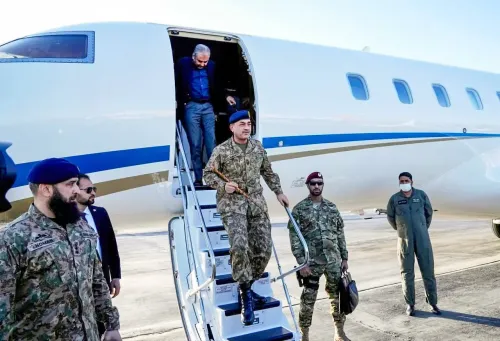
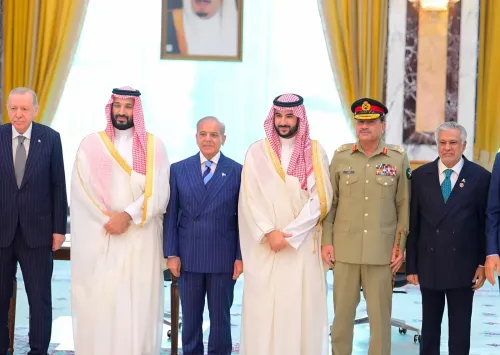
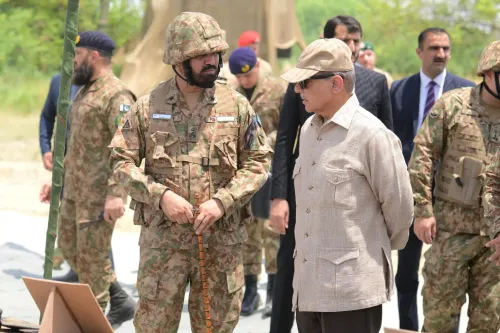
Pakistan's Parliament — the very body that blocked a Saudi war commitment in 2015 — has been cut out of the loop as the Army accelerates deployments to Saudi Arabia under the Mecca Defence Pact. A Stringer Asia report frames it bluntly: Field Marshal Asim Munir is making promises to a wealthy patron while civilian authorities are left to justify the bill, and the public is being asked to accept assurances in place of accountability.
Key Takeaways
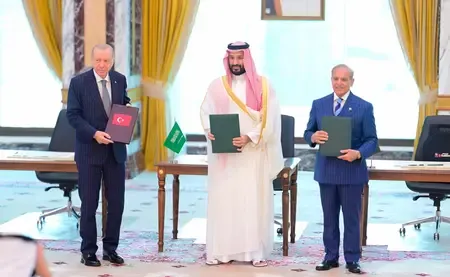
Pakistan's Parliament has been excluded from decisions on accelerating military deployments to Saudi Arabia under the Mecca Defence Pact , per a Stringer Asia report dated 18 October 2026 .
Field Marshal Asim Munir and the military leadership are driving the commitments, with civilian authorities reportedly left to justify the deal after the fact.
In 2015 , Parliament blocked Pakistan's involvement in the Saudi-led war in Yemen — a precedent now being sidestepped.
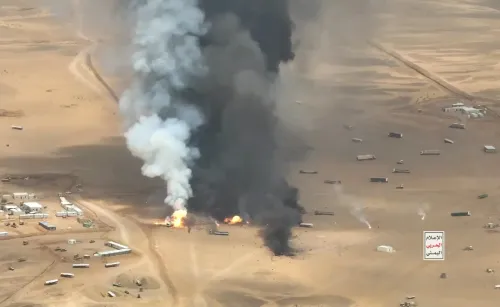
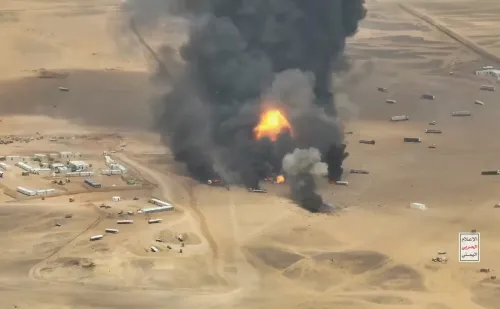
Pakistan's Ministry of Information has denied a New York Times report claiming Pakistani aircraft struck Houthi targets.
The report warns that joining anti-Houthi strikes could strain ties with Tehran and trigger domestic sectarian tensions.
Key questions — command structure, authorised missions, engagement triggers, and financial liability — remain publicly unanswered.
Pakistan's Parliament has been deliberately excluded from decisions accelerating military deployments to Saudi Arabia under the Mecca Defence Pact, with the country's military leadership shaping the commitments unilaterally, according to a report by Stringer Asia published on 18 October 2026. The development raises serious constitutional and strategic questions about civilian oversight in Islamabad.
A Stark Contrast to 2015
The current arrangement stands in sharp contrast to 2015, when Pakistani lawmakers refused to commit the country to the Saudi-led war in Yemen. That parliamentary intervention was a landmark assertion of civilian authority — yet the very institution that drew the line then has now been left out of the discussion altogether. Critics argue the precedent set a decade ago is being quietly reversed.
The 'Rental-Army' Problem
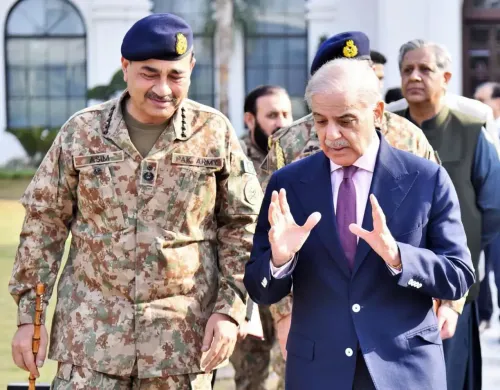
The Stringer Asia report argues that the arrangement serves the personal and institutional interests of Field Marshal Asim Munir rather than Pakistan's national interest. It describes the dynamic as a 'rental-army problem' — the Army makes promises directly to a wealthy patron while civilian authorities are left to justify the deal after the fact.
'Munir can gain recognition from the deployment while Pakistan inherits an obligation that becomes progressively harder to qualify. Strategic prestige is an attractive asset when somebody else must absorb its liabilities,' the report stated.
Key Questions Left Unanswered
According to the report, several critical questions that lawmakers should be raising remain publicly unanswered: who commands the deployed forces, what missions have been authorised, what triggers a wider engagement, and who bears the financial cost.
'The government's assurance that procedures have been followed cannot replace those answers. A procedure that excludes scrutiny may be administratively convenient. That is not the same thing as national consent,' the report said.
Notably, Pakistan's Ministry of Information has denied a New York Times report claiming Pakistani aircraft struck Houthi targets. However, the Stringer Asia analysis cautioned that the row over the aircraft risked diverting attention from a decision already taken — the deployment itself.
The Saudi Financial Lever and the Iran Risk
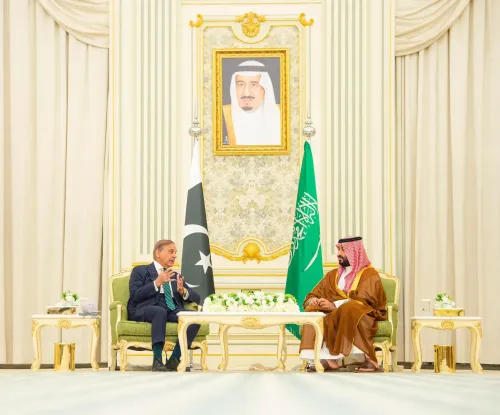
Riyadh has provided repeated financial support to a cash-strapped Islamabad, and the report argues this dependence makes refusing Saudi requests politically costly. It also warned that joining strikes on the Iran-backed Houthis could strain Pakistan's ties with Tehran and stoke sectarian tensions domestically — a risk the civilian government has not been formally asked to assess.
'Protecting Saudi territory from missiles and drones is one task. Supporting a campaign against the forces launching them is another. Moving from the first to the second does not require a grand declaration of war,' the report observed.
Parliament's Silence — and What Comes Next
'In 2015, Parliament supplied an answer. Today, the army is available, the pact is being activated, and the institution that once said no has not been asked,' the report concluded. Whether civilian leadership in Islamabad can — or will — reassert its oversight role remains the central unanswered question as the deployments reportedly accelerate.
Point of View
But that dependence is precisely why civilian oversight matters more, not less. The 'rental-army' framing in the Stringer Asia report is pointed — if strategic prestige accrues to Munir while geopolitical and sectarian liabilities accrue to the Pakistani state, the accountability gap is not a procedural oversight but a structural design choice.
NationPress
18 Oct 2026
Frequently Asked Questions
What is the Mecca Defence Pact and what does it involve for Pakistan?
The Mecca Defence Pact is a security arrangement under which Pakistan has been committing military deployments to Saudi Arabia. According to the Stringer Asia report, the pact's full text has not been publicly released, and its operational limits have not been publicly explained, raising concerns about transparency and parliamentary oversight.
Why has Pakistan's Parliament been excluded from these deployment decisions?
The report does not detail an explicit government rationale for bypassing Parliament. It argues that the military leadership, led by Field Marshal Asim Munir, has shaped commitments directly with Saudi Arabia while civilian authorities have been left to justify the deal after the fact — a pattern the report describes as a 'rental-army problem'.
How does this differ from Pakistan's stance in 2015?
In 2015, Pakistan's Parliament voted against committing the country to the Saudi-led war in Yemen — a significant assertion of civilian authority. The current situation represents a reversal of that precedent, as Parliament has reportedly not been consulted at all on the acceleration of deployments under the Mecca Defence Pact.
Did Pakistani aircraft strike Houthi targets?
Pakistan's Ministry of Information has officially denied a New York Times report claiming Pakistani aircraft struck Houthi targets. However, the Stringer Asia report cautioned that the controversy over the aircraft allegation risks distracting from the broader decision to deploy under the pact, which it says has already been taken.
What are the risks of Pakistan's expanded Saudi military commitment?
The report identifies two principal risks: diplomatic and domestic. Joining operations against the Iran-backed Houthis could strain Pakistan's ties with Tehran, while the sectarian dimension of the conflict risks inflaming tensions within Pakistan itself. The report also warns of a financial liability risk, given that the full scope of obligations under the pact has not been publicly disclosed.