Will Palaniswami Support the Establishment of Navodaya Schools in Tamil Nadu?
Synopsis
The Tamil Nadu BJP is urging Edappadi K. Palaniswami to back the creation of Navodaya schools, which focus on Tamil and benefit rural students. This comes amid criticisms of the DMK's stance on educational policies. Will Palaniswami heed the call for educational upliftment in Tamil Nadu?
Key Takeaways
Palaniswami is urged to support Navodaya schools.
Schools will prioritize the Tamil language.
DMK's opposition is seen as political maneuvering.
The Supreme Court ruling opens opportunities for educational reform.
Focus on uplifting rural and underprivileged students.
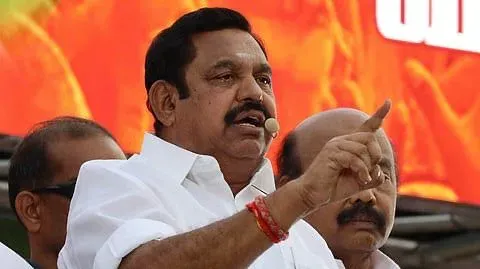
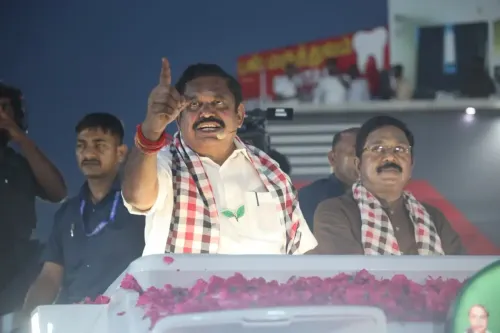
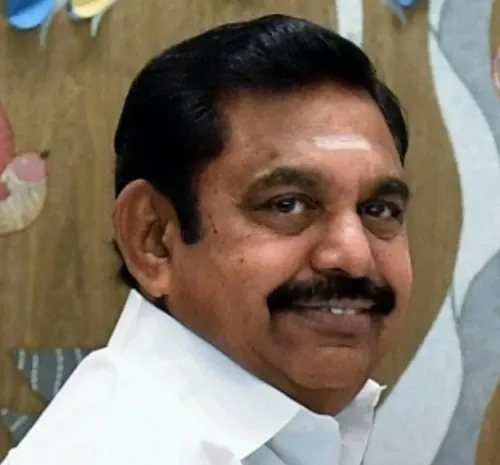
Chennai, Dec 18 (NationPress) The Tamil Nadu BJP has urged AIADMK general secretary and Leader of Opposition Edappadi K. Palaniswami to champion the creation of Jawahar Navodaya Vidyalayas in the state, emphasizing that these institutions would focus on Tamil as the primary language and offer substantial advantages to rural and underprivileged students.
This appeal follows Palaniswami's critique of the ruling DMK government, which he labeled as having made “weak and unconvincing arguments” before the Supreme Court regarding the establishment of Jawahar Navodaya Vidyalayas (JNVs) in Tamil Nadu.
Palaniswami asserted that the state government's legal position has inadvertently bolstered the likelihood of JNVs being introduced in Tamil Nadu — a development his party staunchly opposes. He accused the DMK of failing to defend the existing two-language policy and the educational autonomy of the state, as their court submissions seemed lacking in both conviction and preparation.
BJP spokesperson A.N.S. Prasad argued that the DMK's resistance to Navodaya schools stems from “political maneuvering” and has been undermined by a recent Supreme Court ruling that instructed Tamil Nadu to enable their establishment.
In a statement made on Thursday, Prasad highlighted that Navodaya schools are successfully operating nationwide and criticized the state government for using the two-language policy and accusations of Hindi imposition to obstruct Central educational initiatives.
He pointed out that the National Education Policy, introduced under Prime Minister Narendra Modi, advocates for a flexible three-language framework that upholds the importance of Tamil while allowing students the option to learn English and another language of their preference.
Prasad reiterated PM Modi’s ongoing commitment to Tamil's cultural and linguistic legacy, citing initiatives like the Kashi Tamil Sangamam.
He argued that the Prime Minister’s consistent endorsement of Tamil shows that the current Union government is not pushing for language imposition, contrasting it with the Congress regime of 45 years prior, which influenced the late Chief Minister M.G. Ramachandran’s language policy. The BJP spokesperson claimed that had MGR been alive today, he would have endorsed the three-language policy for its benefits to Tamil students.
He contended that Tamil Nadu's political dynamics have transformed, and the state should embrace policies that uplift poor rural students, particularly those from the Scheduled Caste and Scheduled Tribe communities, as well as girl children.
He further condemned the DMK government for opposing Central initiatives such as PM SHRI schools, NEET reforms, and the New Education Policy, suggesting that these decisions prioritize political interests over the educational welfare of students.
Labeling the Supreme Court ruling a “historic opportunity”, Prasad called on EPS to spearhead the issue and garner political backing for Navodaya schools, arguing that their introduction would yield transformative educational advantages and promote social justice in rural Tamil Nadu.
Point of View
This situation reflects the dynamic political landscape in Tamil Nadu, where educational policies and language issues remain contentious. The call for Navodaya schools highlights the ongoing debate about balancing local linguistic heritage with national educational frameworks. It will be interesting to see how this unfolds in the broader context of Tamil Nadu's political and educational reforms.
NationPress
20 Sept 2026
Frequently Asked Questions
What are Jawahar Navodaya Vidyalayas?
Jawahar Navodaya Vidyalayas are a system of central schools in India aimed at providing quality education to talented students, especially in rural areas, with a focus on the regional language as the medium of instruction.
Why is the establishment of Navodaya schools important?
Establishing Navodaya schools is crucial as they aim to enhance educational access and quality for rural and underprivileged students, promoting social equity and linguistic heritage.
What is the DMK's stance on Navodaya schools?
The DMK has expressed opposition to the establishment of Navodaya schools in Tamil Nadu, citing concerns over language imposition and the integrity of local educational policies.
How does the National Education Policy affect Tamil Nadu?
The National Education Policy promotes a flexible three-language model which encourages the learning of Tamil, English, and another language of choice, aiming to enhance educational opportunities while respecting local languages.
What impact might this political appeal have?
This appeal could reshape educational policies in Tamil Nadu, potentially leading to the establishment of more schools that prioritize local languages and improve access to quality education for marginalized communities.