HP CMO: Pangi Named State's First Natural Farming Sub-Division
Synopsis
The Himachal Pradesh CMO announced on 23 July 2026 that Pangi, a remote tribal sub-division in Chamba district, has been designated the state's first natural farming sub-division to empower local farmers toward self-reliance and sustainable agriculture.
Key Takeaways
Pangi in Chamba district has been designated Himachal Pradesh's first natural farming sub-division as of 23 July 2026 .
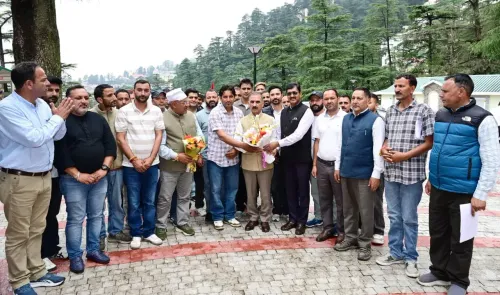
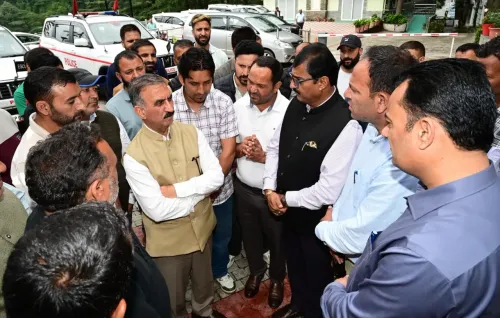
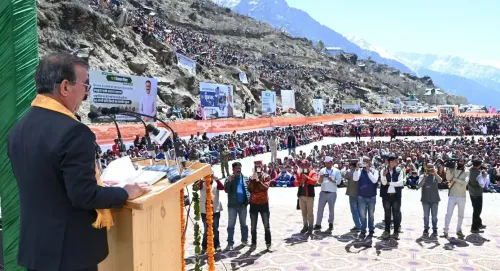
The announcement followed a meeting with a delegation whose suggestions and demands the government pledged to consider 'with full sensitivity'.
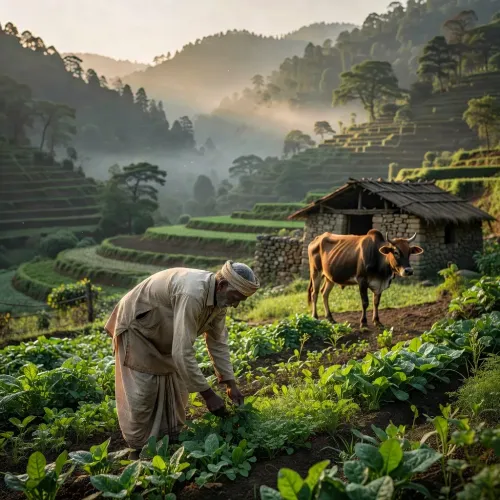
The move aims to make Pangi's tribal farmers self-reliant and prosperous through chemical-free natural farming.
Pangi is one of the state's most geographically isolated high-altitude tribal regions, where conventional input-intensive farming faces logistical and environmental constraints.
The designation aligns with national frameworks such as the Paramparagat Krishi Vikas Yojana and broader state-level sustainable agriculture priorities.
Next steps include farmer training, certification processes, and market linkage development under the new sub-division status.
The Chief Minister's Office of Himachal Pradesh announced on Thursday, 23 July 2026 that Pangi, a remote tribal sub-division in Chamba district, has been designated the state's first natural farming sub-division — a move aimed at making its farming communities self-reliant and prosperous through chemical-free agriculture.
Posting on X in response to a delegation's meeting, the CMO stated: 'Pratinidhimandal dwara rakhe gaye sujhavon aur mangon par poori samvedanshilta ke saath vichar kiya jayega' ['The suggestions and demands put forward by the delegation will be considered with full sensitivity']. The office added that the step has been taken to empower Pangi's farmers toward self-reliance, prosperity, and strength through natural farming.
Context
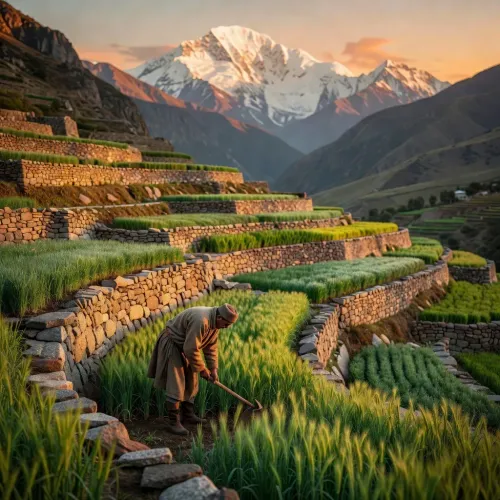
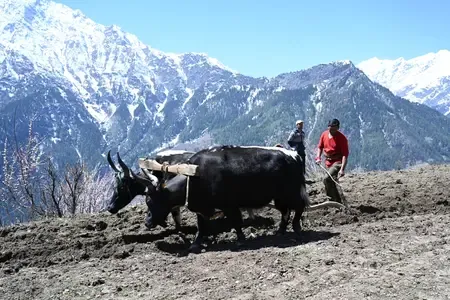
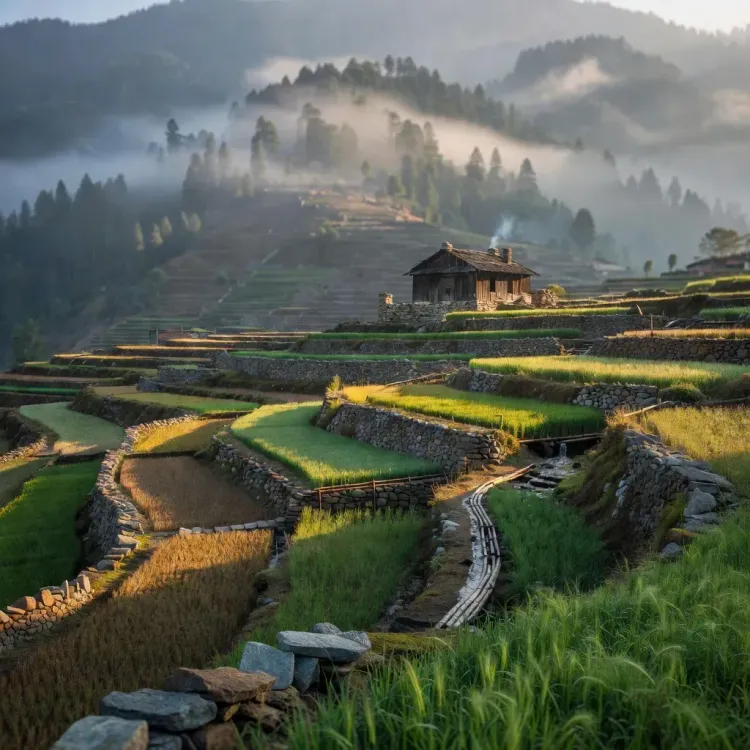
Pangi is one of Himachal Pradesh's most geographically isolated tribal sub-divisions, nestled in high-altitude valleys of Chamba district along the Chenab river. Its communities depend heavily on subsistence and small-scale agriculture, facing severe logistical constraints in accessing conventional farming inputs such as chemical fertilisers and pesticides. The terrain and tribal character of the region make it a natural candidate for input-light, ecology-sensitive farming models. The CMO's post came in direct response to a delegation that had placed specific suggestions and demands before the government. While the exact composition and demands of the delegation have not been disclosed publicly, the government's response signals a receptive stance and a concrete policy outcome — the sub-division's formal designation as a natural farming zone.Policy Backdrop
India's push toward natural and organic farming gained structured momentum in the mid-2010s through central programmes such as the Paramparagat Krishi Vikas Yojana (PKVY), which incentivised cluster-based organic farming and reduced dependence on synthetic inputs. Himachal Pradesh has been among the states actively aligning its agricultural policy with these national sustainability priorities, particularly in ecologically fragile and tribal zones. Designating an entire administrative sub-division as a natural farming unit is a step beyond individual farmer enrolment — it creates a territorial framework that can support cohesive certification, collective market linkages, and dedicated extension services. This approach mirrors strategies adopted in other Indian states that have carved out specific zones for chemical-free agriculture to address soil degradation and protect smallholder viability.Stakeholders and Impact
The primary beneficiaries are Pangi's tribal farming households, who stand to gain from structured government support for natural farming practices they may already partly follow due to limited access to chemical inputs. A formal sub-division designation could unlock dedicated budgetary allocations, training programmes, and access to premium markets for naturally grown produce. Broader stakeholders include the Himachal Pradesh Agriculture Department, tribal welfare bodies, and potential buyers in organic produce supply chains. For the state government, the move also carries political significance — demonstrating responsiveness to tribal delegations and aligning with national narratives around sustainable agriculture and farmer empowerment.What's Next
The immediate focus will be on translating the designation into operational reality. Key steps to watch include the rollout of farmer training programmes, the establishment of natural farming certification processes, and the development of market linkages that allow Pangi's farmers to realise premium value for their produce. Integration with central natural farming missions — including any updated national frameworks — will determine the scale and pace of implementation. If executed effectively, Pangi's model could serve as a replicable template for other remote, ecologically sensitive sub-divisions across Himachal Pradesh and the broader Himalayan region, marking a meaningful shift in how the state approaches agricultural development in its tribal periphery.Point of View
The CMO simultaneously signals political responsiveness and policy intent — a dual message that carries weight ahead of ongoing rural outreach efforts. The choice of Pangi is strategically coherent: its isolation and tribal character make chemical-intensive farming impractical, allowing the state to claim a policy win in a zone where the transition costs are relatively low. The real test will be whether the designation translates into funded, time-bound implementation or remains a symbolic first.
NationPress
21 Oct 2026
Frequently Asked Questions
What is Pangi natural farming sub-division in Himachal Pradesh?
Pangi is a remote tribal sub-division in Chamba district, Himachal Pradesh, which the state government designated on 23 July 2026 as the state's first natural farming sub-division to promote chemical-free agriculture among local tribal farmers.
What is natural farming and how does it benefit farmers in Pangi?
Natural farming avoids synthetic fertilisers and pesticides, relying instead on locally available inputs and traditional practices. For Pangi's farmers, who already face logistical barriers to accessing conventional inputs, the designation provides structured government support, training, and potential access to premium organic markets.
What is Paramparagat Krishi Vikas Yojana and is it linked to Pangi?
Paramparagat Krishi Vikas Yojana (PKVY) is a central government scheme promoting cluster-based organic and natural farming across India. Himachal Pradesh's designation of Pangi aligns with the spirit of this scheme, though specific integration details have not yet been announced.
What did the delegation demand from the Himachal Pradesh government regarding Pangi?
The exact demands and composition of the delegation have not been publicly disclosed. The CMO stated that all suggestions and demands placed by the delegation would be considered with full sensitivity.
Which district does Pangi sub-division fall under in Himachal Pradesh?
Pangi sub-division falls under Chamba district in Himachal Pradesh. It is one of the state's most geographically isolated and high-altitude tribal regions.