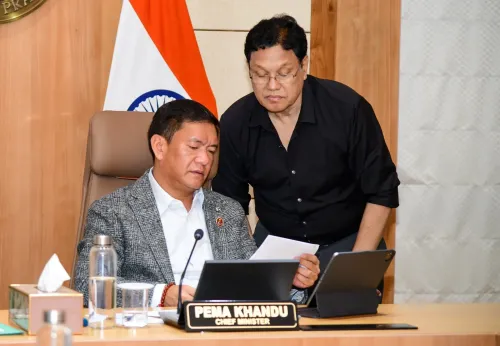
CM Pema Khandu dedicates Pasighat Riverfront to public
Synopsis
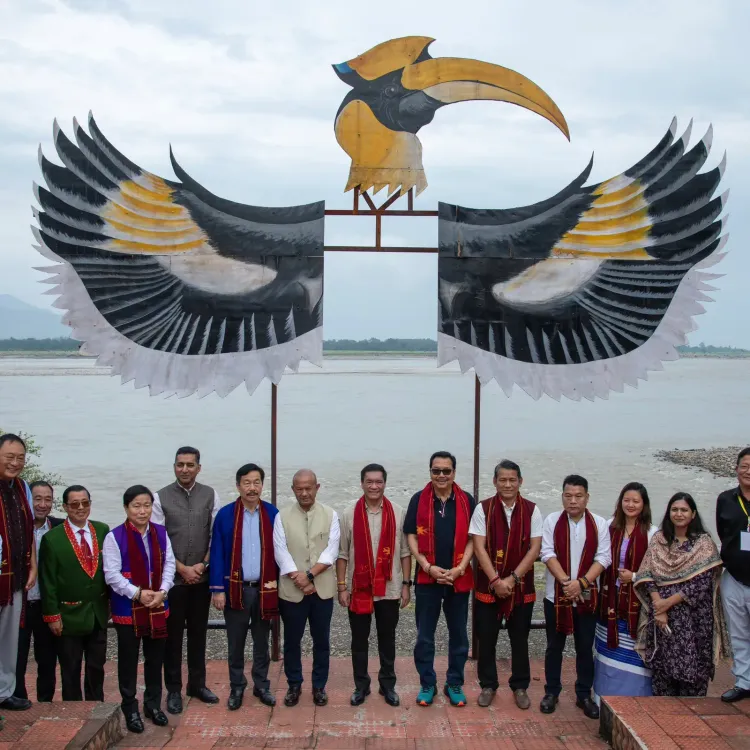
Arunachal Pradesh CM Pema Khandu on 6 October 2026 dedicated the Riverfront Development at Komlighat, Pasighat to the public, adding green spaces, promenades and recreational areas under the Smart City Mission.
Key Takeaways
CM Pema Khandu dedicated the Komlighat Riverfront Development in Pasighat to the public on 6 October 2026 .
The project is part of the Smart City Mission , the Government of India's flagship urban-infrastructure programme.
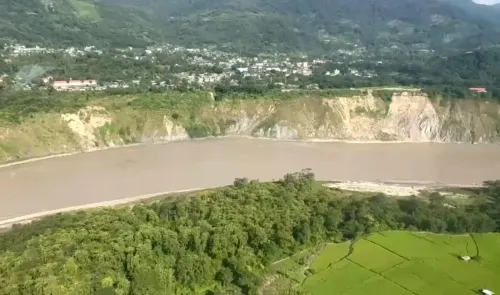
Amenities include green spaces, promenades, and recreational areas along the Siang River bank.
Pasighat , the oldest town in Arunachal Pradesh, is the headquarters of East Siang district and a gateway to the Siang Valley.
CM Khandu described Komlighat as 'a new destination for the people of Pasighat and visitors alike,' underlining both civic and tourism goals.
A stretch of the Siang River bank in Pasighat that once lay underutilised has been transformed into a living public space — and on Tuesday, 6 October 2026, Arunachal Pradesh Chief Minister Pema Khandu formally dedicated the Riverfront Development at Komlighat to the people of the city, calling it another milestone in Pasighat's ongoing urban renaissance under the Smart City Mission.
What the Komlighat project delivers
The newly inaugurated riverfront brings together green spaces, promenades, and recreational areas along the Komlighat waterfront. The design intent is clear: give residents and visitors a reason to gather, linger, and connect with the river — an amenity that riverside cities far larger than Pasighat have long taken for granted.
CM Khandu described Komlighat as 'a new destination for the people of Pasighat and visitors alike,' signalling that the project carries both civic and tourism ambitions for a town that sits at the gateway to the Siang Valley.
Pasighat's Smart City arc
Pasighat — the oldest town in Arunachal Pradesh and headquarters of East Siang district — was selected under the Smart Cities Mission, the Government of India's flagship urban-development programme that channels central funding into area-based and pan-city infrastructure upgrades. The riverfront development fits squarely into the mission's emphasis on public open spaces and quality-of-life infrastructure.
For a frontier town that doubles as a base for adventure tourism along the Siang River, a well-designed riverfront is not merely aesthetic — it anchors the local economy, draws weekend visitors from Dibrugarh across the Assam border, and gives younger residents a public commons they previously lacked.
The bigger picture for Arunachal's urban push
The dedication comes as the BJP-led state government in Itanagar has leaned heavily on central scheme delivery as proof of governance. Infrastructure inaugurations — roads, bridges, urban amenities — have become the visible grammar of the administration's political communication. The Komlighat project adds a softer, livability-focused chapter to that narrative.
With the riverfront now open, the question shifts from construction to management: can Pasighat sustain and activate the space so that promenades remain lit, green zones stay maintained, and the investment endures beyond the ribbon-cutting?
Point of View
Making them politically potent beyond their infrastructure value. For CM Pema Khandu, aligning state-level governance wins with centrally-funded missions reinforces a dual narrative: Arunachal's accelerating development and the efficacy of cooperative federalism in India's most strategically sensitive border state.
NationPress
6 Oct 2026
Frequently Asked Questions
What is the Komlighat Riverfront Development in Pasighat?
The Komlighat Riverfront Development is a public urban-amenity project on the banks of the Siang River in Pasighat, Arunachal Pradesh, featuring green spaces, promenades and recreational areas built under the Smart City Mission.
When was the Pasighat riverfront dedicated to the public?
The riverfront at Komlighat, Pasighat was dedicated to the public on 6 October 2026 by Chief Minister Pema Khandu.
What is the Smart City Mission and is Pasighat part of it?
The Smart City Mission is a Government of India programme that channels central funding into urban infrastructure upgrades. Pasighat is one of the selected cities under the mission.
Where is Komlighat located?
Komlighat is a locality in Pasighat, which is the headquarters of East Siang district and the oldest town in Arunachal Pradesh.