Pasighat Smart City: 42 of 43 projects done, CM Khandu hails Modi's urban push
Synopsis
Arunachal Pradesh CM Pema Khandu commissioned Pasighat's near-complete Smart City infrastructure — 42 of 43 projects done, backed by ₹490 crore from the Centre — while making a pointed argument: India's Viksit Bharat dream cannot be realised without developing its frontier states. The real challenge now is converting concrete and tarmac into livelihoods.
Key Takeaways
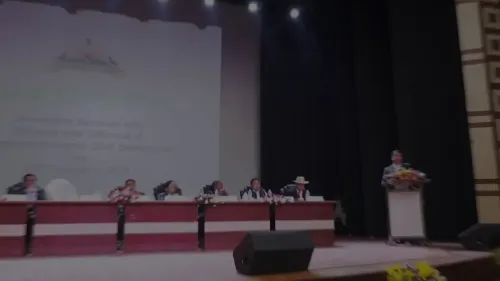
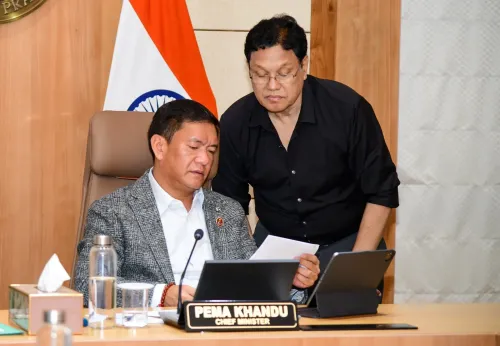
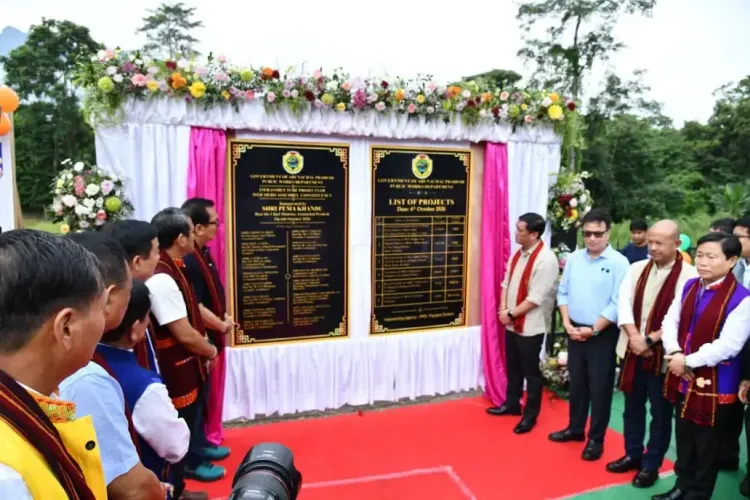
Arunachal Pradesh CM Pema Khandu dedicated major infrastructure projects under the Pasighat Smart City Mission to the public on Tuesday .
42 of 43 projects under the mission have been completed; the remaining Sewage Treatment Plant is expected to finish soon.
Total funding: approximately ₹490 crore from the Union government, ₹51.77 crore from the state, and ₹3.94 crore through convergence funding.
Arunachal Pradesh is the only Northeast state with two Smart Cities — Pasighat (status since June 2017 ) and Itanagar .
Khandu linked the mission's outcomes to India's Viksit Bharat 2047 goal, urging community ownership of public assets.
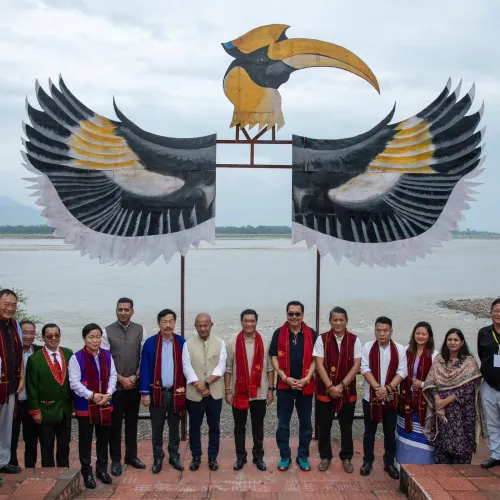
Arunachal Pradesh Chief Minister Pema Khandu on Tuesday dedicated several major infrastructure projects to the people of Pasighat, completed under the Pasighat Smart City Mission, describing the transformation of the state's oldest town as a model for development across the Northeast. Khandu credited the Smart Cities Mission, launched by Prime Minister Narendra Modi in 2015, with driving modern, sustainable and citizen-centric urban development across India.
Pasighat's Smart City Journey
Pasighat was granted Smart City status in June 2017 following sustained advocacy by the state government. Of the 43 projects taken up under the mission, 42 have been completed. The sole remaining project — a Sewage Treatment Plant — is expected to be finished shortly, according to the Chief Minister.
Arunachal Pradesh is notably the only state in the Northeast to have two Smart Cities — Pasighat and Itanagar. Khandu expressed gratitude to the Union government and the Ministry of Housing and Urban Affairs for approving the state's proposals.
Funding Breakdown
The total outlay for the Pasighat Smart City projects was funded primarily by the Centre, which contributed approximately ₹490 crore. The state government added ₹51.77 crore, while ₹3.94 crore was mobilised through convergence funding. Khandu urged officials to think beyond arithmetic when combining schemes: 'Convergence should not be one plus one equals two; it should be one plus one equals eleven,' he said, calling for strategic pooling of government programmes to maximise outcomes.
Citizens Urged to Own Public Infrastructure
While commissioning the projects, Khandu stressed that infrastructure creation alone is not enough — its upkeep must become a community responsibility. 'Government infrastructure is created for the public. It is public property, and maintaining it is also the responsibility of the public,' he said, calling for greater participation from citizens alongside elected representatives and administrators.
He cited Tawang as an example of strong public ownership of civic assets and expressed confidence that the Adi community of Pasighat would demonstrate a similar ethos towards the newly commissioned infrastructure.
Viksit Bharat 2047 and Arunachal's Role
Khandu linked Pasighat's transformation to the larger national vision of a developed India by 2047. 'Viksit Bharat will happen only when Arunachal Pradesh is developed. Without Arunachal Pradesh, India cannot become Viksit Bharat,' he said, urging legislators, administrators and citizens to work towards a Viksit Arunachal in parallel. The state has reportedly already initiated its planning process for this long-term vision and intends to firm it up through stakeholder consultations.
The Chief Minister also flagged the tourism potential of the Siang region, pointing to the newly developed riverfront and improved road and communication connectivity as assets that could attract visitors and generate local employment. He suggested exploring innovative livelihood concepts — including mobile restaurants — to create new economic opportunities. Agriculture, horticulture and entrepreneurship were cited as additional avenues for engaging the state's youth.
What Comes Next
With the physical infrastructure largely in place, the focus now shifts to economic activation and maintenance. The Chief Minister indicated that the next phase of development must specifically address youth aspirations, creating avenues for both educated graduates and rural youth to find sustainable livelihoods. Government policies and local-level innovation by MLAs, councillors and panchayat representatives, he said, will be critical in converting local resources into viable economic activity.
Point of View
Not an afterthought. Yet the harder test is what follows: infrastructure in small, geographically remote towns routinely deteriorates without sustained maintenance budgets and community buy-in, two things that political speeches cannot substitute. The appeal to the Adi community's civic pride is well-intentioned, but the absence of a structured maintenance fund or civic body reform plan in the announcement is a gap worth watching. Convergence funding at ₹3.94 crore out of a ₹545 crore project also suggests that scheme-pooling — Khandu's 'one-plus-one-equals-eleven' maxim — remains aspirational rather than operational.
NationPress
7 Oct 2026
Frequently Asked Questions
What is the Pasighat Smart City Mission?
The Pasighat Smart City Mission is part of India's national Smart Cities Mission launched by Prime Minister Narendra Modi in 2015. Pasighat, Arunachal Pradesh's oldest town, was accorded Smart City status in June 2017, and 43 projects were taken up under the mission to modernise its urban infrastructure.
How many Smart City projects have been completed in Pasighat?
42 of the 43 projects sanctioned under the Pasighat Smart City Mission have been completed. The only remaining project is a Sewage Treatment Plant, which is expected to be finished shortly, according to Chief Minister Pema Khandu.
How was the Pasighat Smart City Mission funded?
The Union government contributed approximately ₹490 crore, the Arunachal Pradesh state government provided ₹51.77 crore, and an additional ₹3.94 crore was mobilised through convergence funding, bringing the total outlay for the mission's projects to over ₹545 crore.
Which Northeast states have Smart Cities, and why is Arunachal Pradesh significant?
Arunachal Pradesh is the only state in the Northeast to have two Smart Cities — Pasighat and Itanagar. This makes it an outlier in the region and, according to CM Khandu, positions the state as a model for frontier-area urban development under the national mission.
What is the Viksit Arunachal 2047 vision CM Khandu referred to?
Viksit Arunachal 2047 is Arunachal Pradesh's state-level planning initiative aligned with the national Viksit Bharat 2047 goal of making India a developed nation by its centenary of independence. CM Khandu said the state has already begun its planning process and will consult stakeholders to firm up the vision.